

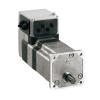




Star Delta Starter Explained: Working, Wiring & Applications
Anyone who has worked around industrial motors knows that starting them isn’t always straightforward. Large motors pull a heavy current the moment they are switched on, and that sudden demand can stress cables, trip protection devices, or even shorten motor life over time. Because of this, electrical engineers rarely rely on direct starting for higher ratings. One of the most commonly used alternatives is the star delta starter.
Instead of forcing the motor to run at full voltage right away, this method allows it to start gently and settle into operation. It’s simple, proven, and still widely used despite newer technologies. In this article, we will break down what is star delta starter, look at how it works in practice, understand wiring and diagrams, and explore where this starter fits best in real industrial settings.
What is a Star Delta Starter?
To explain what is star delta starter, it’s important to focus on why it exists in the first place. When a three-phase induction motor starts directly on line, it draws a current that can be five to seven times its rated value. This isn’t ideal for the motor or the electrical system feeding it. A star delta starter is used to reduce this initial stress by changing how the motor windings are connected during startup.
At the beginning, the motor windings are connected in a star configuration. This reduces the voltage applied to each winding and, as a result, limits the current drawn from the supply. The motor starts rotating smoothly instead of jerking into motion. Once it reaches a reasonable speed, the starter switches the windings to delta configuration. Now the motor receives full voltage and can deliver normal torque.
All of this switching happens automatically through contactors and a timer installed inside a star delta starter panel. As the system is simple and dependable, it remains a popular motor starter in factories, plants, and pumping stations where reduced starting current matters more than high starting torque.
Star Delta Starter Working Principle
The star delta starter working principle is based on voltage reduction during startup. The motor begins in star mode to limit current and then shifts to delta mode after gaining speed. This step-by-step approach prevents electrical stress and allows the motor to reach normal operation smoothly.
Star Starting Stage
At startup, the motor windings are connected in a star. This lowers the voltage across each phase and reduces current flow. This step is central to the star delta starter working principle, especially for protecting the motor during the most demanding moment- initial acceleration from standstill.
Current Control Mechanism
Lower voltage naturally limits current, which helps avoid overheating and voltage dips. The star delta starter control circuit ensures the motor stays in this reduced-current condition long enough to stabilize before moving to full operation.
Timer-Based Switching
A timer controls how long the motor remains in star mode. Once the set time is complete, it triggers the transition process. This timing logic is handled inside the star delta starter control circuit to ensure safe and clean switching.
Delta Running Stage
After the transition, the motor runs in delta connection at full voltage. Rated torque and power are now available. This final step completes the star delta starter working principle, allowing continuous operation under load.
Star Delta Starter Diagram
A star delta starter diagram helps visualize how power and control components are arranged. It shows contactors, overload relays, timers, and motor terminals, making it easier to understand operation and wiring relationships.
Main Contactor
The main contactor connects the motor to the supply. In a star delta starter diagram, it stays energized during both star and delta operation. Its job is simple but critical, keeping power available while other contactors handle configuration changes.
Star Contactor
The star contactor connects the windings in the star during startup. As shown in the star delta starter diagram, it operates only for a short time and disconnects once the motor reaches the required speed.
Delta Contactor
The delta contactor reconnects the motor windings in delta mode. Proper star delta starter wiring ensures it operates only after the star contactor releases, preventing short circuits or overlap.
Overload Relay and Timer
The overload relay protects the motor from excess current, while the timer controls the switching delay. Both are clearly shown in a star delta starter control wiring diagram for safety and clarity.
Also Read: What is a Contactor? Working Principle, Types & Applications
Advantages of Star Delta Starter
The star delta method is valued for its balance of protection and simplicity. It reduces starting current, improves motor lifespan, and keeps the electrical system stable during startup.
Reduced Starting Current
Limiting inrush current is the biggest benefit. This is a key reason why star delta starter is used in higher-rated motors. Lower current reduces stress on cables, transformers, and switchgear. It also helps avoid nuisance tripping and improves overall electrical system efficiency during motor startup.
Reduced Mechanical Stress
Gradual acceleration lowers mechanical shock. Shafts, bearings, and couplings last longer when motors are controlled through a star delta starter panel. This reduced impact minimizes wear and tear, lowering maintenance needs and unexpected equipment downtime significantly.
Cost Efficiency
Compared to electronic starters, this method is economical. A standard star delta starter panel delivers reliable performance without high investment or complex maintenance. It offers a practical balance between affordability, durability, and acceptable performance for many industries.
Stable Power Conditions
By controlling startup current, voltage dips are minimized. Good star delta starter wiring helps maintain stable operation across the system. This stability prevents disturbances to other connected equipment and supports consistent plant-wide electrical performance.
Disadvantages of Star Delta Starter
Despite its benefits, this starter has limitations. Reduced starting torque and wiring complexity mean it is not suitable for every application.
Low Starting Torque
Reduced voltage also means reduced torque. Heavy-load applications may struggle even with a proper star delta starter connection. This limitation can prevent the motor from accelerating adequately under high inertia or load conditions.
Motor Design Limitation
Only motors designed for delta running at rated voltage are suitable. Incorrect star delta starter connection can lead to performance issues. Using incompatible motors may result in overheating, inefficient operation, or long-term motor damage.
Complex Wiring Layout
Wiring is more involved than basic starters. A clear star delta starter control wiring diagram is essential during installation. Improper wiring can cause faults, unsafe operation, and difficulty during troubleshooting or future maintenance.
Switching Disturbance
A brief disturbance can occur during changeover. This is often noted when discussing the difference between dol and star delta starter. Such disturbances may affect sensitive equipment if proper timing and interlocking are not ensured.
Applications of Star Delta Starter
Star delta starters are commonly used where smooth motor startup is required. They are reliable and well-suited for continuous industrial operation.
Pumps and Compressors
Gradual startup prevents pressure shocks. A properly wired star delta starter panel supports consistent operation. This ensures smoother fluid flow, reduces vibration, and prevents long-term damage to piping systems.
Conveyor Systems
Controlled acceleration protects belts and gears. Correct star delta starter wiring ensures smooth conveyor movement. It minimizes load jerks, extends mechanical lifespan, and improves operational reliability in material handling lines.
HVAC Systems
Large f draw high starting current. This explains why star delta starter is used in commercial buildings. It helps manage electrical load while maintaining comfort and uninterrupted operation in large facilities.
Industrial Machinery
Machine tools benefit from controlled starting. Understanding the difference between dol and star delta starter helps in choosing the right method. This knowledge ensures optimal performance, reduced wear, and better energy management across industrial equipment.
Difference Between DOl and Star Delta Starter
Below is a detailed difference between DOL and Star Delta Starter.
| Parameter | DOL Starter (Direct Online) | Star Delta Starter |
|---|---|---|
| Starting Method | Motor is connected directly to full line voltage at startup | Motor starts in star connection and later shifts to delta |
| Starting Current | Very high (5–7 times rated current) | Reduced starting current due to star connection |
| Starting Torque | High starting torque | Low starting torque during star mode |
| Voltage Applied at Start | Full line voltage applied immediately | Reduced voltage applied initially |
| Motor Size Suitability | Suitable for small motors | Suitable for medium and large motors |
| Mechanical Stress | High mechanical stress on motor and load | Lower mechanical stress due to gradual acceleration |
| Electrical Stress | High stress on cables, switchgear, and supply | Reduced stress on electrical components |
| Wiring Complexity | Simple wiring | More complex wiring with contactors and timer |
| Cost | Low initial cost | Higher cost compared to DOL but still economical |
| Protection to Power System | Can cause voltage dips | Helps maintain system voltage stability |
| Applications | Fans, small pumps, light machinery | Compressors, conveyors, HVAC systems |
| Why Used | Used where starting current is not a concern | Used where controlled startup is required |
Also Read: What is a DOL Starter? Types, Uses & Working Principle
Conclusion
The star delta starter remains a dependable motor starter for many industrial applications. By reducing starting current and mechanical stress, it protects motors and electrical systems alike. When selected and wired correctly, it continues to offer a practical, long-lasting solution for motor control. Also, shop for the best-quality product from the eShop of Schneider Electric today.
FAQs
Q1. Why does a star delta starter require a motor with six terminals?
Ans. A star delta starter works by changing how the motor windings are connected during startup and running. To make this possible, each winding must be accessible individually. Motors with six terminals allow switching between star and delta configurations, while motors with fewer terminals simply don’t support this type of connection.
Q2. Can a star delta starter be added later to an existing motor installation?
Ans. Yes, it can be added later, but only if the motor is compatible. The motor must be designed for delta operation at full line voltage and have six accessible terminals. In many cases, wiring changes and panel modifications are also required.
Q3. Why do some motors still trip even when using a star delta starter?
Ans. Tripping usually happens due to incorrect timer settings, unsuitable load conditions, or poor wiring. If the motor does not reach enough speed before switching to delta, current spikes can occur. Load type and mechanical resistance also play a big role.
Q4. Does frequent starting affect star delta starter performance?
Ans. Yes, frequent starting increases wear on contactors and puts extra thermal stress on the motor. Star delta starters are better suited for applications where the motor runs for longer durations rather than repeated short cycles throughout the day.
Q5. Is maintenance different for star delta starters compared to simpler starters?
Ans. Maintenance is slightly more involved. Contactors, timers, and interlocks need periodic inspection. Loose connections, worn contacts, or faulty timers can lead to improper switching, so regular checks help prevent unexpected failures.

Comments