

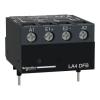




What Is a Busbar? Definition, Working Principle & Applications
Open any electrical panel, industrial or commercial, and you will notice that power doesn’t travel randomly through loose wires. Everything follows a clear path. At the centre of that path sits the busbar, quietly handling heavy electrical loads day after day. While it may not grab attention like breakers or meters, it plays a far more important role than most people realise.
If you have ever worked with panels or switchboards, you have probably asked yourself what is busbar in electrical systems and why engineers rely on it so heavily. Simply knowing what is a busbar can change how you design, install, or maintain electrical setups. In this article, we will break down the busbar definition, how it works in practice, the different configurations available, insulation requirements, and why busbars are everywhere, from factories to low voltage switchgear.
What is Busbar?
A busbar is a solid conductor. It carries and distributes electrical power within a system. The commonly accepted busbar definition describes it as a shared electrical connection point. It is where incoming supply is received and then distributed to multiple circuits.
So, what is busbar in electrical terms? It’s a cleaner, safer alternative to running multiple cables for high-current distribution. Instead of tangled wiring, one rigid conductor does the job efficiently. When people ask what is a busbar, the simplest explanation is this: it’s the backbone of power distribution inside panels, switchboards, and low voltage switchgear.
Most busbars are made from copper or aluminium due to their excellent conductivity. Compared to cables, a busbar handles higher current with less heat, lower losses, and better mechanical strength, which is exactly why it’s preferred in modern installations.
Types of Busbar
Power distribution isn’t one-size-fits-all. Different setups require different layouts, which is why understanding the types of busbar matters.
Single Busbar System
The single busbar system uses one common busbar connected to all circuits. It’s simple, affordable, and easy to manage. This configuration is common in smaller installations and basic low voltage switchgear panels. The downside is obvious. If the busbar fails, everything connected to it goes down.
Double Busbar System
In a double busbar arrangement, two busbars run side by side. Loads can be switched from one busbar to the other without cutting power. This setup improves reliability and flexibility but needs accurate busbar calculation to avoid imbalance and overheating.
Ring Busbar System
Among the advanced types of busbar, the ring system offers excellent continuity. Circuits are connected in a loop, allowing power to flow from either direction. Even during maintenance or faults, supply remains uninterrupted, making it ideal for distribution networks.
Working Principle of Busbar
At its core, the working principle of a busbar is about efficiency and control—moving large amounts of current safely with minimal losses.
Power Collection
Electrical supply from transformers or generators first reaches the busbar. This central point simplifies the system layout and keeps wiring organised, especially in compact low voltage switchgear. By acting as a common receiving node, it ensures uniform current flow and reduces the need for multiple high-capacity cables entering the panel.
Power Distribution
Once collected, electricity flows from the busbar to outgoing feeders. Due to its rigid structure and large surface area, voltage drop is minimal when proper busbar calculation is followed. This stable distribution helps connected equipment operate consistently, even under fluctuating load conditions or continuous operational demand.
Also Read: What’s The Use Of A Power Distribution Board and How Does It Work?
Fault Isolation
Breakers and isolators connected to the busbar allow faulty sections to be separated quickly. This prevents faults from spreading and keeps the rest of the system running. Such selective isolation improves system safety and significantly reduces downtime during maintenance or unexpected electrical failures.
Heat Management
Unlike cables, a busbar releases heat more efficiently. This natural cooling helps maintain safe operating temperatures even under continuous load. Lower operating temperatures extend component life, minimise insulation stress, and reduce the risk of performance degradation over long periods.
Busbar Insulator and Insulation
A busbar insulator is essential for safety. It holds the busbar in place while preventing unwanted electrical contact with the panel body. Without insulation, even the best-designed system becomes a risk.
The most common busbar insulator types include porcelain, epoxy resin, and polymer insulators. Porcelain offers durability, epoxy resin provides excellent insulation, and polymer insulators perform well in humid or dusty environments. Selecting the right busbar insulator depends on voltage level, load, and installation conditions.
Porcelain Busbar Insulators
Porcelain insulators have been around for a long time, and there’s a reason they are still used. They are tough. Heat, pressure, vibration doesn’t bother them much. In heavy electrical panels and substations, porcelain holds the busbar firmly in place even during faults. It’s not fancy or compact, but when strength and stability matter more than appearance, porcelain continues to do its job without complaints.
Epoxy Resin Busbar Insulators
Epoxy resin insulators are more common in newer panels, especially where space is limited. They give strong insulation without adding bulk. Their smooth surface helps avoid dust buildup and tracking issues, which is useful in enclosed panels. In low voltage switchgear, epoxy insulators help keep things neat and organised. They are practical, easy to install, and well suited for controlled indoor environments.
Polymer Busbar Insulators
Polymer insulators are usually chosen when conditions are not ideal. High humidity, dust, heat changes are situations where polymers perform well. They don’t crack easily and handle expansion better than rigid materials. As they are lightweight, installation is simpler too. You will often see polymer insulators in outdoor panels, renewable energy systems, or industrial locations where the environment is constantly changing.
Busbar Calculation
Proper busbar calculation ensures the system can handle expected loads without overheating or failure. This includes calculating current capacity, temperature rise, short-circuit strength, and voltage drop. Material choice, spacing, enclosure type, and ambient temperature all influence busbar calculation, especially in compact low voltage switchgear installations.
Applications of Busbar
Because of its reliability and efficiency, a busbar is used across multiple industries. Its ability to handle high current, reduce power losses, and maintain a clean layout makes it a preferred solution wherever stable and scalable power distribution is required.
Industrial Power Systems
Factories rely on busbars to supply high current to machinery. Compared to cables, a busbar system is easier to maintain and far more durable. It also supports frequent load changes, heavy-duty operations, and long operating hours without excessive heating or frequent replacement needs.
Low Voltage Switchgear
One of the most common places you will find a busbar is inside low voltage switchgear, where it connects incoming supply to breakers and outgoing feeders. This arrangement improves safety, simplifies internal wiring, and allows faster fault isolation while keeping panels compact and well organised.
Data Centers
High-density power demands make busbars ideal for data centers. A busbar supports scalable layouts while keeping losses and heat under control. As server loads increase, busbars allow easy expansion without major redesign, ensuring reliable power delivery and improved energy efficiency.
Renewable Energy
Solar and wind installations use busbars to collect and distribute generated power. In these setups, choosing suitable busbar insulator types is critical for long-term performance. Proper insulation helps withstand environmental stress, temperature variations, and moisture exposure common in outdoor renewable energy systems.
Conclusion
Understanding what is busbar in electrical systems goes beyond theory- it directly affects safety, efficiency, and reliability. From the basic busbar definition to learning about types of busbar, insulation requirements, and accurate busbar calculation, it’s clear why busbars remain a core part of modern power distribution.
When properly designed and installed, a busbar delivers dependable performance across industries and low voltage switchgear applications. It may stay out of sight, but it’s one component no electrical system can do without. This is why it is essential to buy it from a reliable place like eShop of Schneider Electric that delivers electrical products to your doorstep.
FAQs
Q1. Why do engineers prefer busbars over running multiple thick cables?
Ans. Running several heavy cables can get messy fast, especially in large panels. Busbars keep things clean and organised. They also reduce connection points, which means fewer chances of overheating or loose joints over time. From a practical standpoint, busbars simply make systems easier to manage and expand.
Q2. Can a busbar be modified after installation?
Ans. Yes, in many cases it can. One of the advantages of busbar systems is flexibility. Additional feeders can often be added without redesigning the entire setup. That said, any modification should be checked for load limits and clearances before energising the system again.
Q3. Do busbars perform well during short-circuit conditions?
Ans. Busbars are designed to handle short-circuit forces, but only if they are properly sized and supported. During a fault, mechanical forces can be high. That’s why spacing, mounting strength, and joint quality matter just as much as current rating in real installations.
Q4. Are busbars affected by corrosion over time?
Ans. They can be, especially in humid or industrial environments. Oxidation usually starts at joints rather than along the entire bar. Using proper surface treatment, protective coatings, and routine inspections helps prevent long-term issues and keeps resistance from increasing.
Q5. Is installing a busbar system expensive?
Ans. The upfront cost may look higher than using cables, but over time, busbars often turn out to be more economical. Lower energy losses, reduced maintenance, and easier system expansion usually balance out the initial investment.



Comments