





Understanding Magnetic Contactors: Definition and Uses
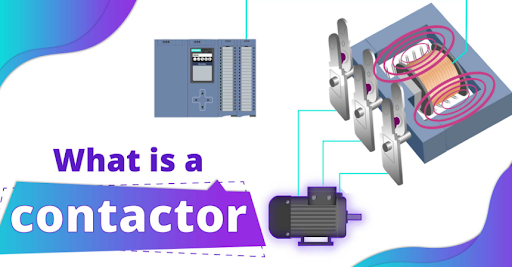
If you are involved in the electrical world, you might have heard about magnetic contactors. So, what is a magnetic contactor? Magnetic contactors are crucial devices in electrical systems which help engineers regulate the input of electric power circuits. These are switches operated electrically to control power circuits. They are applied in sections that involve high voltage as well as high current. Their main use is to offer a secure and effective method of changing electrical power. As opposed to typically utilised manual switches, a magnetic contactor is used for considerable voltage and current application, meaning it is crucial in industrial and business markets.
Magnetic contactors are easy to get as they come in different sizes and different capacities. They are used in almost all applications, from simple motor control to fully automated systems. Due to their reliability and efficiency, they have been widely accepted by industry personnel.
What is a Magnetic Contactor
A magnetic contactor is an electrical switching device used to control heavy current loads with safety and repeated use. Many people ask what is magnetic contactor, when working with motors or power circuits. It works by using an electromagnetic coil to open or close contacts. This setup keeps operators away from direct high-voltage contact. The design supports frequent switching and long service life. It also supports control automation panels.
Types of Magnetic Contactor
The following options cover open, enclosed, and modular units used across panels. Each style fits specific duty cycles and wiring habits. Clear grouping helps buyers compare ratings, match loads, and plan expansion without changing the full control layout later.
1. AC Magnetic Contactors
AC magnetic contactors refer to those that are capable of controlling the AC type of electrical load. They are mostly applied in industries where either high voltage, high current, or both are needed. These contractors have solid constructions, which qualify them well for use in hostile environments. The interior designs are critical for operations that involve managing heavy machines, air conditioning, and other huge motors to work effectively and safely.
2. DC Magnetic Contactors
DC magnetic contactors are designed for use in DC systems, that is, circuits that use direct current instead of the more common alternating current. Most are seen in automobile systems, photovoltaic structures, and places where there is a lot of direct current flow. Reliable and high-efficiency DC magnetic contactors are used foremost in electric vehicles and solar power along with battery storage systems due to their good performance.
3. Miniature Magnetic Contactors
Miniature magnetic contactors are more diminutive outputs of standard contactors. Such models are suitable for use in areas with limited space, such as control panels, small machinery, and home automation systems. These contractors are quite small but are capable performers and are intended for installation in airspace, having limited space available to accommodate them. Miniature magnetic contactors are suitable for use in various homes and commercial facilities where there is a need to come up with a small control system.
Magnetic Contactor Working Principle
A magnetic contactor operates using electromagnetic force to control circuit connections. It allows safe and efficient switching of electrical loads, commonly used in motor control and industrial applications.
1. Electromagnetic Coil Activation
When the supply voltage reaches the coil, current flows through the copper turns and creates magnetism. The iron core reacts and pulls the moving armature inward. This motion is smooth and fast. Coil design decides pull force, heat rise, and stable operation during long duty cycles under varied load conditions, always safely.
2. Contact Movement and Circuit Control
Once the armature moves, fixed and movable contacts meet to close the circuit. Power then passes to the load path. Separation happens when coil power drops.
• Contacts align to reduce arc.
• Springs return parts to rest.
This control supports safe switching in daily industrial panels with steady repeat cycle operations.
3. Release Mechanism and Reset State
Loss of coil energy removes the magnetic hold on the armature. Return springs push contacts apart and stop current flow. This reset action prevents overload damage. It also allows manual testing and inspection. Clear release timing improves coordination with protection devices in complex electrical layouts used across varied system ratings levels.
4. Practical Application and System Value
Engineers select contactors for motors, heaters, and lighting feeders. The uses of magnetic contactors cover remote switching and safety isolation.
• Handles frequent start cycles.
• Supports control circuits.
Proper selection improves uptime, service access, and panel organization in demanding work sites. This approach fits modern maintenance routines and clear wiring practice.
Uses Of Magnetic Contactor
The uses of magnetic contactors cover many electrical systems where repeated switching is needed. These devices support motors, heaters, and lighting loads. Their design fits both small and large installations. Below are common use cases explained with clarity.
1. Motor Control Applications
Contactors are widely used in motor starters. They manage start and stop cycles smoothly. A magnetic contactor with an overload relay is often paired to protect motors from excess current. This setup helps prevent winding damage. It also supports automatic shutdown during fault conditions.
2. Power Distribution Panels
In power panels, contactors control feeder lines. A 4-pole magnetic contactor is used where neutral switching is needed. This setup suits balanced and unbalanced loads. It helps maintain circuit isolation during maintenance. Panel layouts stay clean and controlled with such devices.
3. Lighting and Heating Systems
Large lighting banks rely on contactors for scheduled control. A 2-pole magnetic contactor is common in single-phase circuits. Heating loads also use them for stable switching. These systems benefit from reduced manual handling and better energy control during long operation hours.
4. Industrial Automation and Cost View
Automation systems depend on reliable switching. Contactors respond well to sensors and logic controllers. Engineers often check the magnetic contactor price before final selection. Cost varies by rating and pole count. For drawings and planning, the magnetic contactor symbol is used to mark placement clearly.
5. Electrical Role and Function
The main magnetic contactor function is safe load switching. It separates control logic from power flow. This improves safety during faults or repairs. The device handles frequent operations without wear stress. This makes it suitable for continuous industrial duty cycles.
6. Magnetic Contactor Symbol
This section explains the magnetic contactor symbol used in circuit drawings for power control. It shows coil, main contacts, and auxiliary points with clear marks. Electricians read this sign to trace flow paths, check safety logic, and confirm wiring order during panel building or service work tasks on site daily.
Application of Magnetic Contactor
Now, it's time to learn about the use of magnetic contactors. Some of the most significant applications of these devices are as follows.
1. Motor Control
Magnetic contactors are widely used in motor control applications; this is possibly due to their effectiveness. They are useful in offering a safe and effective manner of switching the motors on and off and protecting against overload currents. This application is vital where the performance of the motor is vital, including industrial areas where safety is an issue.
2. Lighting Control
Magnetic contactors are also very essential in lighting control systems. They allow extensive governing of large lighting systems and help in controlling the energy used while ensuring uniform brightness. This is especially so in commercial complexes, stadiums and other public areas where the concern is more on the efficiency and reliability of the lighting system.
3. HVAC Systems
HVAC systems utilise magnetic contactors to operate the heating, ventilation, and air conditioning systems. These contactors regulate the power input of the compressors and the fan, which in turn regulates the efficiency of the equipment.
4. Industrial Automation
Magnetic contactors are quite significant in industrial automation systems. These facilitate accurate control over the equipment and operations, making production more efficient and cutting down on the time when the equipment is not in use. Magnetic contactors are used in industries such as manufacturing, line production, and automated processing, which crucially require high accuracy and reliability.
5. Power Distribution
In power distribution systems, magnetic contactors regulate the power supply to the different sections within the network. These types are used to guarantee stable work and prevent faults and overload in the circuit. This application of magnetic contactor is very important in ensuring that electric power networks are stable and secure, especially in the large power systems that are characteristic of most large cities around the world and industrial complexes.
6. Elevators and Escalators
Magnetic contactors play an important role in elevator and escalator systems. They regulate the motion and guarantee the correct and secure functionality of these programs. It is, therefore, important that magnetic contactors used in vertical transport equipment in buildings be reliable.
7. Safety Systems
Fire alarms and emergency lighting in many safety systems use magnetic contactors as the key components. These contractors offer safety precautions in the event of a power surge and other calamities with regard to the instrument. Thus, in critical safety applications, the dependability of magnetic contactors is of utmost importance, the main purpose of which is to safeguard lives and valuable property.
What are the Key Features of Magnetic Contactors?
Magnetic contactors are built for stable switching in load circuits. The magnetic contactor's function depends on an energized coil that pulls contacts together. This action allows motors and heaters to start from control signals. Design focus stays on endurance, control, safety, and repeat cycles in daily industrial use operations today.
i). Electrical Durability
Electrical durability remains important for long duty cycles. Contact tips resist arc heat and surface wear. This supports the use of magnetic contactor systems in pumps, lifts, and conveyors. Stable pressure between poles reduces loss. Over time, fewer failures appear, even when voltage shifts or switching rates rise in tough plant areas.
ii). Thermal Protection
Thermal control adds safety during overload events. A magnetic contactor with an overload relay opens the circuit when the current exceeds limits. This pairing guards motors from coil burn. Reset options allow quick checks. Heat balance design keeps response steady, not false, across changing ambient conditions inside control panels in harsh rooms during daily operations.
iii). Coil Efficiency
Coil efficiency affects energy draw and noise. Better windings cut hum and heat loss. This also shapes the magnetic contactor price in the market. Low-power coils suit automation boards. Designers seek a balance between pull strength and consumption, since waste energy leads to early fatigue during constant switching in busy control rooms daily.
iv). Pole Configuration
Pole layout defines circuit reach and isolation. A 2-pole magnetic contactor suits single-phase lines, while a 4-pole magnetic contactor handles neutral switching too. Clear spacing helps service work. Correct pole choice avoids imbalance, keeps load paths equal, and supports safe shutdown during fault checks in plant rooms of today's systems.
How Does A Magnetic Contactor Work
Understanding how does a magnetic contactor works helps during system planning and fault checks. The device reacts to an electrical signal, not manual force. Once the coil receives power, internal parts move and complete the circuit. When power drops, the contacts return to rest. Below are the working stages explained clearly.
i). Electromagnetic Coil Activation
The coil is the heart of the contactor. When the control voltage reaches the coil, it creates a magnetic field. This field pulls the armature toward the core. The motion feels quick but controlled. This step starts the entire switching action. Without steady coil power, the system stays open and safe.
ii). Contact Movement Process
Once the armature moves, the main contacts shift position. Fixed and moving contacts meet and allow current flow. This contact motion is firm to avoid spark damage. When the coil power stops, the spring force separates them again. This cycle supports repeated on and off actions during daily operation.
iii). Arc Control and Safety
During contact separation, small arcs may appear. Arc chutes guide and cool these arcs. This protects the contact surface from burn marks. Proper arc control improves service life. It also reduces fire risk inside control panels. This design keeps switching stable even during load changes.
iv). Control Circuit Interaction
The contactor works through a low-power control circuit. Push buttons, timers, or sensors send signals. This setup allows remote operation. The main load stays isolated from the user. This separation is why contactors are trusted in industrial wiring layouts and motor control tasks.
In the End
Magnetic Contactors have widespread use in varying industries. This blog is your comprehensive guide to learning what a magnetic contactor is. If you are looking for the best quality of these devices, Schneider Electric is your go-to brand. Also, for a convenient shopping experience, you can shop online from Schneider Electric eShop. So, explore a wide range of magnetic contactors to purchase the one you are looking for from our eShop.
Frequently Asked Questions
Q1. How long does a magnetic contactor last?
Ans. Most magnetic contactors last between ten and fifteen years in normal duty. Life depends on load type, switching rate, and heat inside the panel. Motors with heavy starts reduce life. Regular checks help extend service life.
• Clean contact points
• Keep the voltage stable
Dust and loose wires also affect long-term performance.
Q2. What is the difference between a contactor and a relay?
Ans. A contactor handles higher current and frequent switching, mainly for motors and heaters. A relay suits control circuits with low current. Contactors are larger and have arc control parts. Relays are compact and quiet.
• Contactors manage power lines
• Relays manage signals
Selection depends on load size and expected duty cycle.
Q3. Why are magnetic contactors used for motors?
Ans. Magnetic contactors are used for motors because they handle high start current safely. They allow remote control and quick isolation during faults. In many plants, the uses of magnetic contactors include motor start, stop, and overload protection.
• Supports automation panels
• Improves operator safety
This setup reduces manual work and panel stress.
Q4. What safety precautions are required when installing a contactor?
Ans. Before installing a contactor, the power supply must be fully isolated. Proper rating check avoids overheating and failure. Wiring should follow the diagram and torque limits. Personal protection is needed during work.
• Use insulated tools
• Confirm the earthing connection
Lockout tags help prevent sudden restart. Keep the panel area in dry and clean conditions.
Q5. How can you test if a magnetic contactor is working?
Ans. Testing a magnetic contactor starts with visual check for burns and wear. Coil resistance test shows open or short fault. Manual press should close contacts smoothly. Noise or heat means issue.
• Measure coil voltage
• Observe contact movement
Power test under load confirms stable operation. Stop the test if sparks appear early.


Comments