





What Is a Relay? Types, Working Principle, and Uses Explained
If you’ve ever tried to understand what is relay, the easiest way is to imagine a switch that doesn’t need your hand to work. Instead, it responds to electricity and performs switching automatically. This small device quietly plays a huge role behind the scenes in machines, appliances, and control systems everywhere.
Table of Contents
To fully understand the relay meaning, think of it as a safe bridge between control and power. It allows one signal to control another circuit without direct contact. The use of relay makes automation safer and more reliable. Without relays, many modern electrical systems would not function properly. They help prevent damage, improve safety, and allow systems to operate efficiently without constant manual monitoring or intervention from operators daily.
What is a Relay?
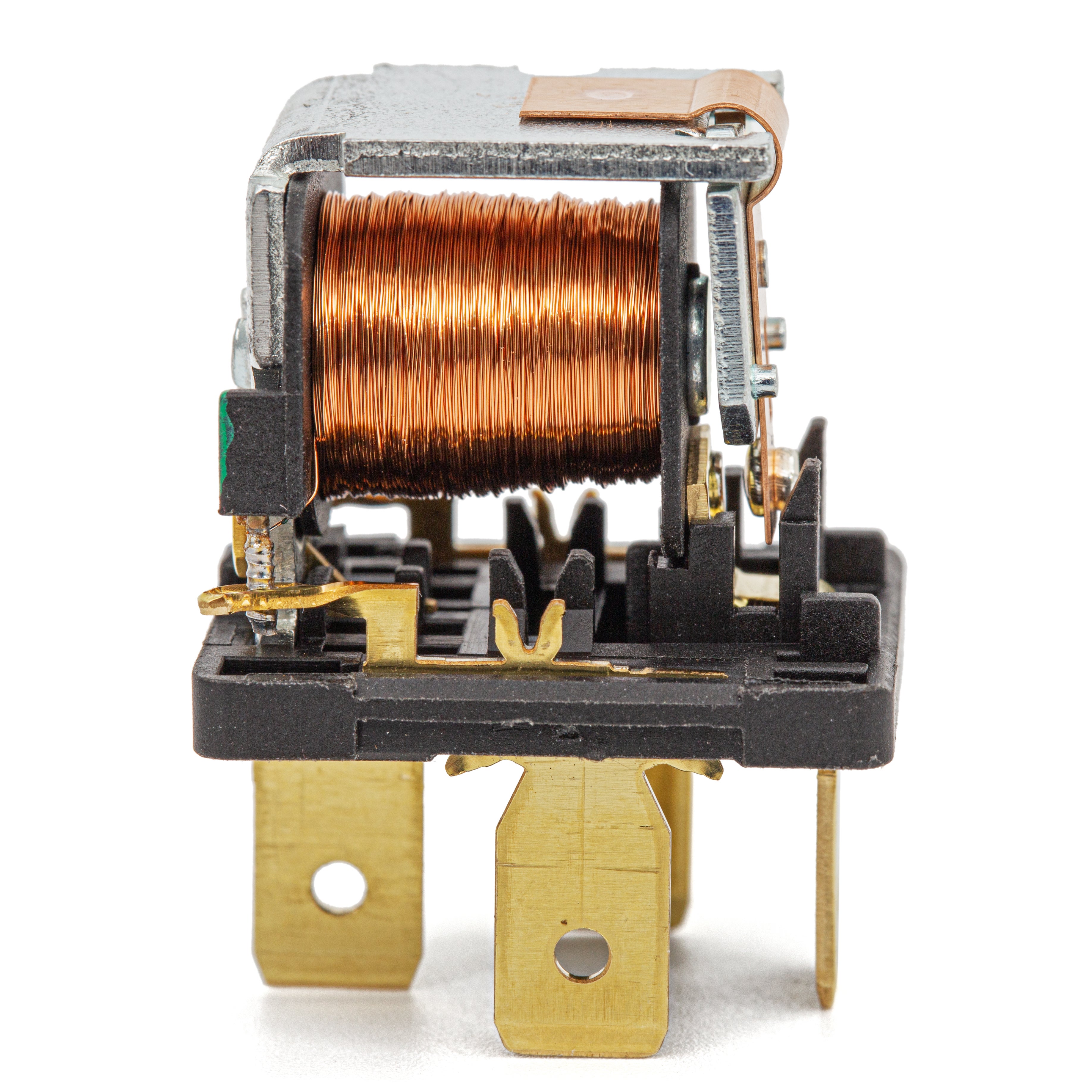
What is relay? It is a device that switches electrical circuits using a signal instead of manual effort. The true relay meaning lies in controlling larger loads safely. The main relay function is to open or close circuits automatically, helping systems operate safely and reducing risks in electrical applications everywhere.
Relay Working Principle
The relay working principle depends on magnetism created by electric current. When electricity flows through the coil, a magnetic force forms and moves contacts. This allows switching safely. Proper wiring using a relay connection diagram ensures correct operation. This process supports reliable relay working and helps protect electrical equipment from damage and unsafe conditions.
Magnetic Field Creation
Inside the relay, the coil becomes active when current flows through it. This creates a magnetic field instantly. The magnetic force pulls a small metal arm toward it. This movement changes the position of contacts inside the device. This simple action explains the relay working principle. It allows switching without touching the circuit manually. This design improves safety, reliability, and efficiency in electrical systems used across industries, automation panels, and equipment worldwide every day.
Contact Movement and Switching
Once the armature moves, the contacts change their position. This allows electricity to either flow or stop flowing. This switching action defines the overall relay working process. Technicians use a relay connection diagram to identify contact terminals properly. This ensures correct installation and operation. The ability to switch automatically makes relays useful. This simple movement supports automation, safety, and efficient electrical control in machines, appliances, and industrial electrical systems worldwide safely.
Activation and Reset Process
When the relay receives power, the coil activates and contacts change position. When power stops, the relay returns to its original state. This defines the basic relay function. Proper relay connection ensures this happens reliably every time. This automatic switching cycle allows relays to work continuously. It ensures consistent performance. This reliable response is important in control systems, motor operations, and automation environments where switching must happen accurately and safely always.
Electrical Separation Advantage
Relays provide separation between control and load circuits. This protects sensitive devices from high voltage. Following a proper relay connection diagram ensures safe installation. This separation improves safety and prevents electrical damage. It also improves system reliability. This design supports safe relay working in automation and protection systems. Electrical isolation allows systems to operate efficiently, reducing risks and improving performance in modern industrial and commercial electrical environments everywhere safely.
Types of Relay
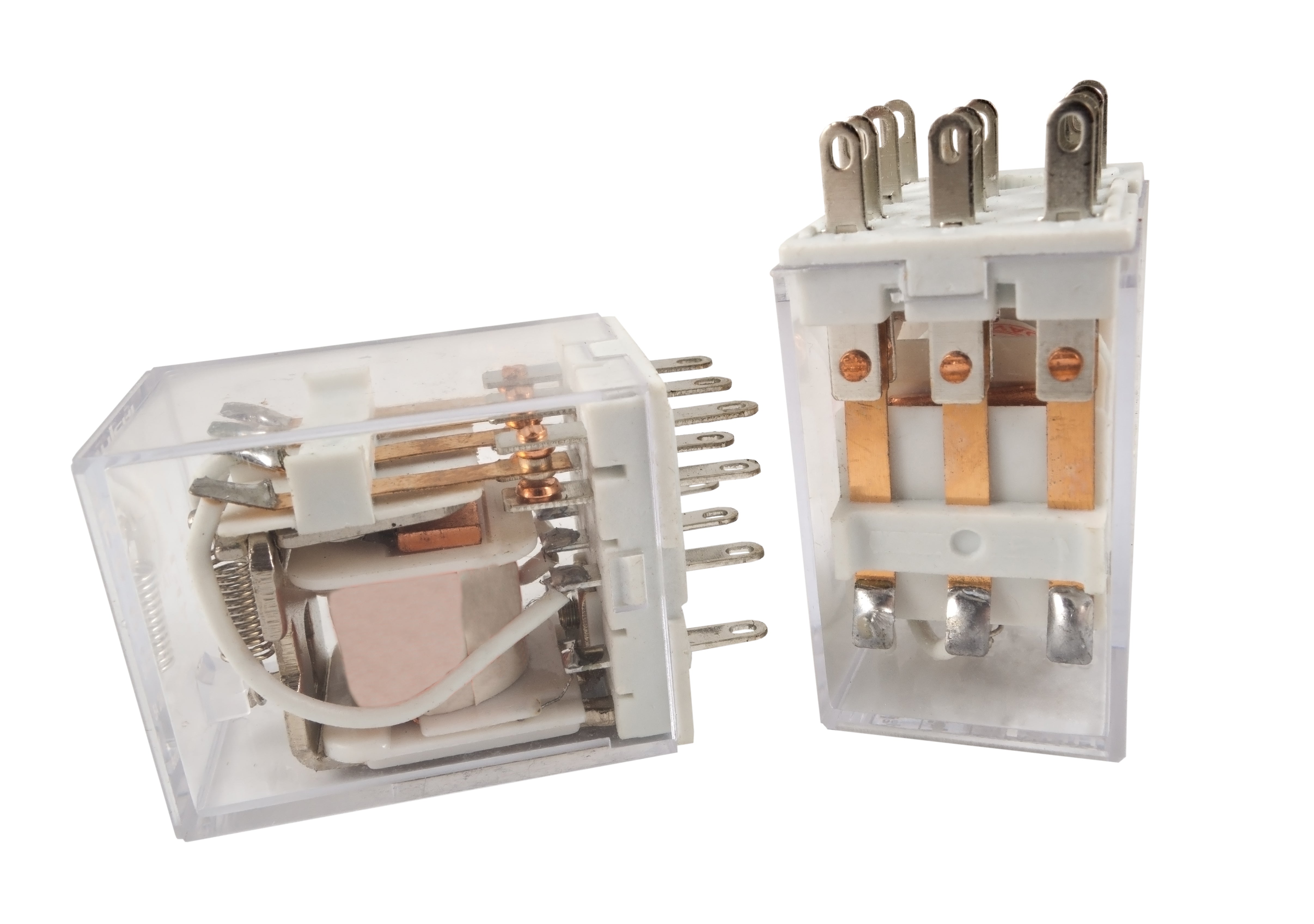
There are several types of relay, each designed for specific electrical needs. Some focus on protection, while others focus on control. Understanding the correct types of relay helps ensure proper performance. Devices such as Control Relay, overload relays, and protection relays help electrical systems operate safely and efficiently in various applications worldwide.
Electromechanical Relay
Electromechanical relays use physical parts to switch circuits. When current flows, magnetic force moves internal contacts. This allows switching to occur. These relays are reliable and easy to understand. They remain among the most common types of relay used today. Their simple construction makes maintenance easier. They are widely used in automation, protection systems, and electrical control panels where dependable switching and long-term performance are required for safe operation worldwide daily.
Control Relay
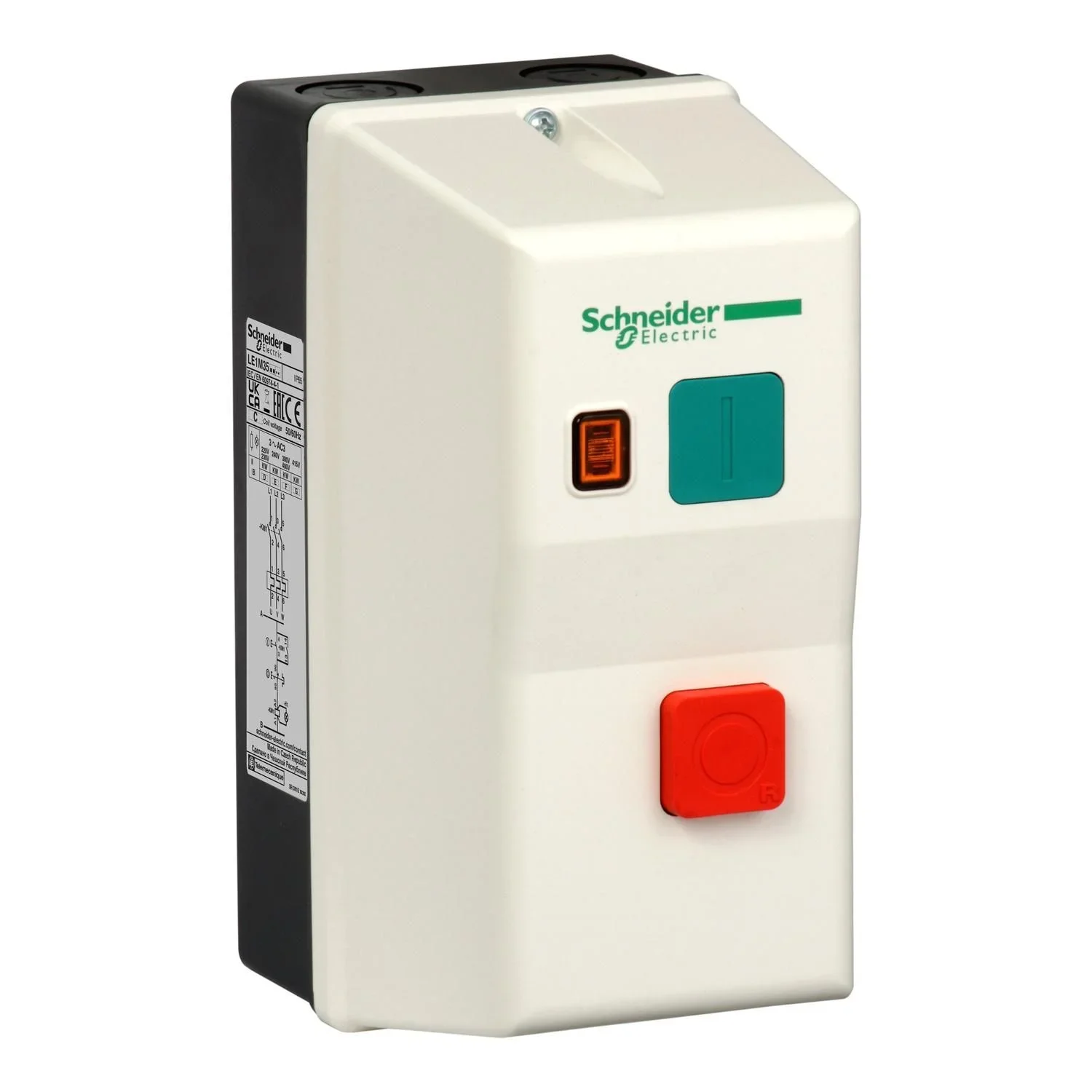
A Control Relay helps manage electrical operations automatically. It switches circuits based on control signals. The Control Relay is commonly used in automation panels and industrial machines. It ensures reliable switching and improves efficiency. These relays allow precise control of electrical systems. Their consistent performance makes them important. They help systems operate safely, reduce manual effort, and improve automation reliability across various industrial and commercial electrical control applications worldwide daily.
Differential Relay
A differential relay is designed to protect electrical equipment from internal faults. It compares electrical current at different points. If it detects abnormal differences, it disconnects the circuit immediately. The differential relay helps prevent serious equipment damage. It plays an important role in protecting transformers and generators. Its fast response improves safety and ensures electrical systems continue operating reliably without causing further damage or failure in power systems worldwide.
Thermal Overload Relay
A thermal overload relay protects motors from overheating caused by excessive current. When current increases beyond safe levels, heat builds inside the relay. This causes the relay to disconnect the motor. The thermal overload relay prevents serious motor damage. It improves safety and increases motor lifespan. This protection ensures reliable motor operation. It is widely used in industrial motor control systems where overheating risks must be controlled safely.
Uses of Relay
The use of relay helps control electrical systems safely and efficiently. Relays allow automation and protection in various applications. The use of relay improves safety by preventing overload and faults. Their switching ability makes them essential in automation systems, industrial machines, and household equipment where reliable and automatic electrical control is required worldwide.
Motor Safety Protection
Relays help protect motors from overload and overheating. The thermal overload relay disconnects power when overheating occurs. This prevents motor damage. This improves equipment lifespan and safety. Motor protection is important in industrial systems. Relays detect faults quickly and respond immediately. This helps prevent expensive damage. Reliable motor protection ensures continuous operation. This improves efficiency and protects valuable equipment used in factories, automation systems, and industrial operations worldwide safely.
Electrical System Protection
Electrical systems rely on relays for protection. The differential relay detects faults instantly. It disconnects faulty sections quickly. This prevents further damage. Protection relays improve system safety. They reduce the risk of electrical failure. Reliable protection ensures continuous system operation. Electrical networks depend on relays. They help maintain system stability and safety. This ensures reliable power distribution and safe operation in industrial and commercial power systems worldwide every day.
Automation Control Systems
Automation systems depend on relays for switching operations. The Control Relay allows automatic control of machines and equipment. This improves efficiency and reliability. Relays reduce manual effort. They ensure accurate switching. Automation systems use relays for safety and performance. Their reliability supports modern automation. Automation improves productivity. Reliable switching ensures machines operate correctly and safely in industrial and commercial automation environments worldwide daily with consistent performance.
Household Electrical Equipment
Relays are commonly used in home appliances. Devices like refrigerators and air conditioners rely on relays. Proper wiring using a relay connection diagram ensures safe installation. Relays control switching automatically. This improves safety. Household relays help appliances function properly. Reliable switching improves performance. Relays prevent electrical faults. Their use ensures modern home appliances operate safely, efficiently, and reliably without manual switching requirements daily worldwide.
Industrial Electrical Systems
Industrial control panels use relays for automation and safety. Proper relay connection ensures reliable operation. Relays control machines and motors safely. Industrial systems depend on relays. They prevent electrical damage. Reliable switching improves performance. Relays improve automation efficiency. Their reliability supports safe operations. Industrial automation systems rely on relays to ensure safe and efficient electrical control in factories and industrial environments worldwide daily safely.
Conclusion
Relays continue to play an essential role in modern electrical systems. Understanding what is relay, how it works, and the different types of relay helps ensure safe and reliable electrical system design. Relays allow automatic switching, improve safety, and protect valuable equipment.
Protection devices like differential relay, control relay, and thermal overload relay help prevent faults and equipment damage. Proper installation using correct wiring ensures reliable operation. Relays remain essential for automation, protection, and control. They help electrical systems operate safely and efficiently. For dependable and efficient relay solutions suitable for modern electrical systems, professionals can explore high-quality relay options available on the eShop of Schneider Electric India for reliable performance and long-term operational safety.
FAQs
Q1. Why are relays important in automation?
Ans. Relays allow machines to operate automatically using electrical signals. They control circuits safely without manual switching. This improves system efficiency and safety. Relays ensure reliable operation. Automation systems depend on relays. They help improve performance and reduce manual effort. Relays play an essential role in modern electrical automation systems worldwide safely.
Q2. Can relays control high-power equipment?
Ans. Yes, relays allow small signals to control high-power circuits safely. This improves safety and efficiency. They prevent direct contact between control and power circuits. This protects sensitive equipment. Relays are widely used in industrial and commercial systems. Their ability to safely control high loads makes them essential in electrical systems.
Q3. How do relays improve electrical safety?
Ans. Relays protect equipment by disconnecting circuits during faults. They prevent overheating and overload. This improves safety. Relays isolate control circuits from power circuits. This prevents electrical damage. Their protective function ensures safe operation. Electrical systems rely on relays to reduce risks and improve reliability in various applications worldwide safely.
Q4. Are relays still used in modern systems?
Ans. Yes, relays remain essential in modern automation and protection systems. They provide reliable switching. They improve safety. Many electrical systems still depend on relays. Their simple design makes them reliable. Relays continue to support automation, protection, and electrical control in industrial and commercial systems worldwide today safely.
Q5. What makes relays reliable devices?
Ans. Relays are reliable because of their simple working design. They operate automatically using electrical signals. They require minimal maintenance. Their fast response improves safety. Relays protect electrical systems from damage. Their durability ensures long-term performance. This reliability makes relays essential in automation, protection, and electrical control systems worldwide safely daily.

Comments