


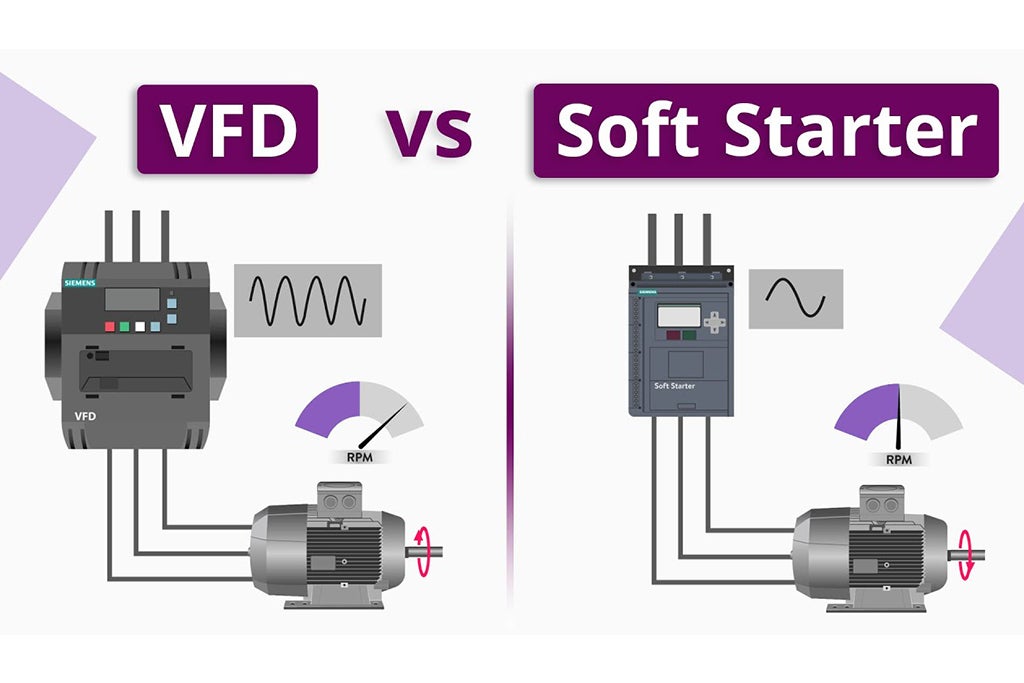
What's the difference between a Soft Starter and a VFD?
Soft starters as well as variable frequency drive (VFD) are different types of motor starters. For smooth operations, both starters use semiconductor components. This is the reason many people think that soft starters and VFDs are the same devices as you can safely stop and start an induction motor with these starters. However, the fact is that the features of a VFD are quite different from that of a soft starter. Before we start a comparison between VFD vs soft starters, let us first understand what VFD and starters are in the first place.
So, what is a motor starter and how do motor starters work?
The term motor starter is self-explanatory. It is a device which safely stops and starts an induction motor. As an induction motor has low winding resistance, it consumes a huge volume of electrical current during starting. This huge current during the initial stage is called the inrush current. This current can damage the motor’s internal windings and minimise its life span. Even burnouts can happen in the worst cases, which can also lead to the complete damage of the machine or the motor.
The motor starters reduce the starting current so that the motor can start safely without any damage to the mechanical parts or windings due to the sudden jerks. Once the power is switched off, the motor starter stops the induction motor. Motor starters provide overcurrent protection and protection against low voltage, which protects the machine parts from electrical damage and burnouts.
When to Use a Soft Starter?
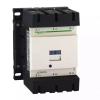
A soft starter is a kind of motor starter which reduces the high inrush current by minimising the incoming voltage to the motor. Wondering How do soft starters work? These starters use semiconductor thyristors to control the supplied voltage. A pair of thyristors is used in a back-to-back formation to control current flow in both directions.
Here is a detailed explanation of how soft starters work - there are six thyristors in a three-phase soft starter offering voltage reduction in all three phases at the same time. There are three terminals in the thyristor – cathode, anode, and gate. The current starts flowing when the gate signal is applied and the thyristor is triggered. You can vary the angle of the gate signal (firing angle) to decide the amount of voltage which is allowed by the thyristor. This reduces the inrush current reaching the motor.
When to Use a Variable Frequency Drive?
A variable frequency drive or a VFD is a motor starter based on a semiconductor. Along with starting and stopping electric motors safely, this motor starter controls the motor speed completely during its operation. It not only controls supply voltage, but its frequency at the same time. An induction motor’s speed depends on supply frequency. A VFD varies the speed of the motor during its operations.
There are three circuits in a VFD – Rectifier, DC Filter, and Inverter. The rectifier circuit converts the AC line voltage to DC. It is then passed through the DC filter. By using the inverter circuit, the DC voltage is converted to AC. As VFD can alter the speed of the motor during operations, it is mainly used in applications where motor speed needs to be varied from time to time.
Read Also: Variable Frequency Drives - Everything You Need To Know About VFD
Understanding the Difference Between A VFD And A Soft Starter
This table helps in understanding the difference between VFD vs soft start clearly.
|
Soft Starter |
VFD |
|
VFD converts AC to DC and back into the AC of the required value. |
|
VFDs are semi-conductor-based motor starters too, which start and stop the induction motor and vary the motor’s speed. |
|
It operates continuously throughout the whole operation of the motor. |
|
It can alter the frequency and the voltage. |
|
VFD is large. |
|
VFDs require fillers because of harmonics injection in the line. |
|
VFDs are pretty expensive. |
|
Used for variable motor speed application. |
Soft Starter vs VFD – Which One Should You Choose
Choosing between a soft starter vs VFD depends on how a motor is expected to behave during everyday operation. Knowing the difference between soft starter and VFD helps industries select equipment that matches their process without adding unnecessary cost or complexity.
Cost and Installation Considerations
Soft starters are generally more economical and easier to install. In many soft starter vs VFD comparisons, VFDs involve greater investment because of their advanced control capabilities, but they can help reduce running expenses in the long term.
Energy Efficiency and Performance Benefits
When analysing VFD and soft starter technologies, VFDs are commonly linked with better energy management because they allow motors to run according to demand. Soft starters mainly reduce electrical and mechanical strain during startup. Several industries rely on a Schneider soft starter where equipment functions at a steady speed without frequent load changes.
Maintenance and Operational Requirements
Soft starters usually require basic maintenance and are easier to manage for most technical teams. Understanding what is the difference between soft starter and VFD also includes maintenance effort, as VFDs require monitoring, configuration adjustments, and system checks to maintain stable motor performance.
When a Soft Starter is the Better Option
A soft starter is usually selected when machines operate at a fixed speed and only require gradual acceleration during startup. Equipment such as pumps, compressors, and conveyor systems often use a Schneider soft starter.
When a VFD is the Right Choice
VFDs become useful when motor speed needs to change based on workload or process requirements. VFDs help adjust motor performance, making them suitable for airflow systems, automated production, and applications where operating conditions vary frequently.
Purchase the high quality and affordable VFD and soft starters from the Schneider Electric eShop
Now that you know the difference between VFD and soft starters, you can purchase motor starters as per your requirements. If you are looking for a reliable place to purchase these electrical items, look no further than the Schneider Electric eShop. Schneider Electric is a trusted brand in India that offers high-quality electrical appliances and devices. The eShop has a plethora of choices of electrical solutions, ranging from electrical protective appliances and electric supplying devices to home automation systems and other electrical components. You can browse through the different motor starters as well as the other electrical items available on the website and find the electrical components you are looking for.
Frequently Asked Questions (FAQs)
Q1. Is a VFD better than a soft starter?
Ans. There is no universal answer because performance depends on usage. In a soft starter vs VFD comparison, VFDs offer adjustable speed and better process control. Soft starters, however, are useful for applications that only need controlled motor startup. The difference between soft starter and VFD becomes clear when considering operational requirements.
Q2. Can a VFD replace a soft starter?
Ans. A VFD can manage motor startup and sometimes replace a soft starter, but it is not always necessary. When comparing VFD and soft starter solutions, industries often choose based on process demands. If speed adjustment is not required, many operations continue to rely on soft starters for simpler motor control.
Q3. Do VFDs save energy compared to soft starters?
Ans. VFDs are often associated with improved energy efficiency because they allow motors to run according to actual workload. This shows the difference between soft starter and VFD, as soft starters mainly reduce electrical stress during startup. VFDs help reduce power consumption in applications where motor speed frequently changes.
Q4. Why are VFDs more expensive?
Ans. When businesses evaluate what is the difference between soft starter and VFD, cost differences become noticeable. VFDs include complex electronics, programmable features, and speed regulation systems. These advanced capabilities increase their price compared to soft starters, though energy savings and improved control can balance the investment over time.
Q5. Does a soft starter control motor speed?
Ans. A soft starter does not regulate speed once the motor reaches operating condition. Its main purpose is to reduce startup stress and improve equipment lifespan. In VFD and soft starter comparisons, speed adjustment is handled by VFDs, while soft starters focus only on smoother acceleration and motor protection.
Comments