






What Is an Intermediate Switch? Wiring Diagram, Connection, Uses, Symbol & Picture
You have probably walked into a long corridor or staircase where the same light can be controlled from multiple points. You switch it on at one end, and then turn it off somewhere else. Convenient, right? But here’s the thing- most people don’t really think about how that actually works. It’s not just one switch doing the job. There’s a bit more going on behind the scenes. That’s where an intermediate switch comes in. It sits quietly in the system, doing something very specific. Not complicated, but definitely clever.
If you have ever wondered what is intermediate switch and why electricians use it in certain setups, you are about to see how it all fits together- without getting lost in unnecessary complexity.
What is an Intermediate Switch
Let’s keep this simple. An intermediate switch is used when you want to control a single light from three or more locations. Not two- that’s a different setup. Three or more is where things change.
Think about a staircase. You turn the light on at the bottom, and then maybe turn it off midway, or again at the top. That middle point? That’s where this switch comes into play.
Now, in reality, it doesn’t work alone. It’s always used between two two-way switches. The role of the intermediate switch is to either swap or maintain connections between wires. Sounds small, but that action changes the entire circuit behaviour.
Without this switch, controlling a light from multiple points beyond two becomes messy or impractical. If you’re trying to picture it, imagine the intermediate switch wiring diagram- you will notice it doesn’t simply open or close a circuit. It redirects current paths. That’s the key difference. And once you understand that, the rest becomes much easier to follow.
Construction of an Intermediate Switch
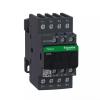
If you look at the intermediate switch picture, you will notice it’s not like a regular switch. There’s a bit more going on inside. Not overly complicated, but different enough to matter when wiring multiple control points.
Internal Contacts and Terminals
Inside an intermediate switch, you will usually find four terminals instead of two or three. These terminals are connected through a mechanism that can swap connections depending on the switch position. Think about it like crossing wires internally. It’s not just turning something on or off. It’s redirecting the current path. That’s what allows multiple control points to work together without conflict.
Switching Mechanism
The mechanism itself is designed to toggle between two configurations. In one position, it connects wires straight. In the other, it crosses them. That’s it. But that small change makes a big difference. What many people don’t realise is that this switching action is what enables flexibility in multi-point control systems.
External Design and Mounting
From the outside, it looks pretty similar to other switches. Nothing too fancy. But delving into the intermediate switch symbol, will help you learn it’s doing more. The design is compact, usually made to fit standard switchboards. You will often find it installed between two other switches in a sequence, especially in residential or commercial wiring setups.
Working of an Intermediate Switch
This is where things get interesting. Because the working isn’t about simply opening or closing a circuit. It’s about changing how current flows through the system depending on the switch position.
Role in Multi-Way Circuits
An intermediate switch connection sits between two two-way switches. Its job is to either maintain or reverse the current path. When you toggle it, the circuit changes configuration. That’s how a single light can be controlled from multiple locations without confusion.
How Current Path Changes
Electricity follows a path. If you change that path, the outcome changes. That’s exactly what happens here. The switch either keeps the path straight or crosses it. This small internal change determines whether the light stays on or turns off.
Coordination with Other Switches
The switch doesn’t work alone. It depends on the position of other switches in the circuit. Each switch affects the overall path. So when you press one, the final state depends on how the others are set. It’s a coordinated system, not an isolated action.
Applications of an Intermediate Switch
You won’t find this switch everywhere. It’s used in specific situations where controlling from multiple points is necessary. Once you notice it, though, you will start seeing it in more places than expected.
Staircases and Corridors
This is the most common use. In long staircases or corridors, lights need to be controlled from different points. That’s where intermediate switch uses become obvious. You can turn lights on or off from any location along the path, which adds both convenience and safety.
Large Rooms and Halls
In larger spaces, a single switch isn’t enough. You may need control near entrances, exits, or different sections. Using multiple switches makes movement easier, especially in commercial spaces or large homes.
Outdoor and Commercial Setups
In outdoor lighting or commercial areas, flexibility matters even more. Multiple control points improve accessibility. It also helps in managing lighting efficiently without needing to walk back to a single switch location.
Conclusion
At first glance, an intermediate switch might seem like just another component in a switchboard. But once you understand how it works, you realise it plays a very specific and important role. It’s not about turning something on or off. It’s about control from multiple points, without confusion.
When systems are designed well, with reliable components like intermediate and MCCB switch from brands like Schneider Electric, everything works smoothly, safely, and exactly the way you expect. Sometimes, the smallest parts make the biggest difference.
FAQs
Q1. Can an intermediate switch be used alone?
Ans. No, it cannot function independently. It always works between two two-way switches as part of a multi-way control system.
Q2. How many terminals does an intermediate switch have?
Ans. Typically, it has four terminals, which allow it to redirect current paths within the circuit.
Q3. Is an intermediate switch used in regular home wiring?
Ans. Only in specific cases, like staircases or long corridors where multiple control points are needed.
Q4. What is the difference between an intermediate switch and an MCCB switch?
Ans. An MCCB switch is used for protection against overload and short circuits, while an intermediate switch is used purely for controlling circuits.
Q5. Does switch position affect the entire circuit?
Ans. Yes, each switch position changes the current path, which directly affects whether the connected device turns on or off.
Comments