




Proximity Sensor Explained: Types, Working Principle, Uses & Applications
A proximity sensor is a smart detection device that identifies objects without making physical contact. Unlike traditional switches, a proximity sensor works using electromagnetic fields, light, or sound to detect nearby objects safely and accurately. This makes it an essential component in modern automation, safety systems, and industrial equipment.
These sensors improve efficiency, reduce wear and tear, and enhance system reliability. Many electronic sensors used in automation rely on proximity detection to monitor movement, position, and object presence. From mobile devices to factory machines, proximity sensors are widely used. Their fast response, long lifespan, and reliable performance make them important for automation, robotics, and modern electrical systems worldwide today.
What are Proximity Sensors?
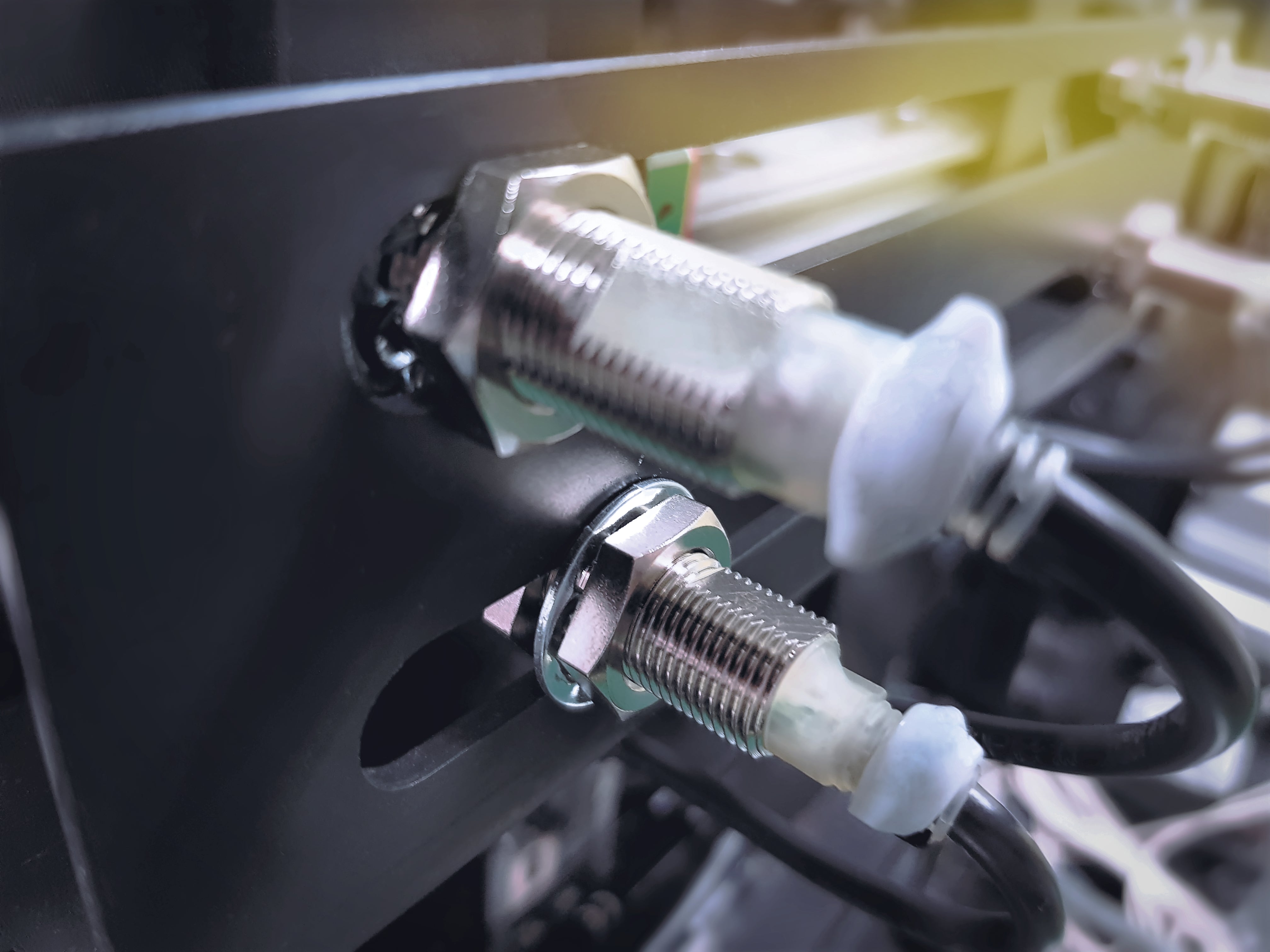
To understand what is proximity sensor, it is a device designed to detect the presence of objects without touching them. These sensors convert physical movement or object presence into electrical signals. This signal helps machines respond automatically. The working of proximity sensor allows safe detection without mechanical contact.
These sensors are part of advanced electronic sensors systems used in automation and safety applications. They improve system efficiency and reliability. Proximity sensors are used in industrial automation, robotics, smartphones, and safety systems. Their ability to detect objects quickly and accurately makes them essential in modern electrical and automation environments worldwide today.
Proximity Sensor Working Principle
The proximity sensor working principle depends on detecting physical changes using electromagnetic fields, light, or sound waves. When an object enters the sensing area, the sensor detects changes and generates a signal. This signal triggers system response. The working of proximity sensor ensures reliable detection without physical contact or mechanical wear.
Electromagnetic Field Detection
Many sensors use electromagnetic fields for detection. The sensor generates a magnetic field around its sensing surface. When an object enters this field, it causes a disturbance. This disturbance is detected and converted into an electrical signal. This method explains the proximity sensor working principle. It allows fast and accurate detection. This detection method is widely used in industrial automation systems where reliable and contactless object sensing is required safely every day worldwide.
Signal Conversion Process
Once the object is detected, the sensor converts the physical change into an electrical signal. This signal is sent to the control system. The system responds immediately. This signal conversion defines the overall working of proximity sensor. This process allows automation systems to respond quickly. Signal conversion ensures reliable detection. This process improves automation efficiency and supports safe and accurate object detection in industrial and commercial applications worldwide today safely.
Capacitive and Inductive Detection Method
Different sensors use different detection methods. An inductive proximity sensor detects metallic objects using electromagnetic fields. Capacitive sensors detect both metallic and non-metallic objects. These detection methods improve flexibility. The inductive proximity sensor works by detecting magnetic field changes caused by metal objects. This method provides reliable detection. These detection methods ensure accurate sensing and reliable performance in industrial automation, robotics, and control systems worldwide safely today.
Optical and Ultrasonic Detection Method
Some sensors use light or sound for detection. Optical sensors detect objects using reflected light. Ultrasonic sensors use sound waves. These waves reflect back when an object is present. This detection supports reliable proximity sensor working principle. These methods allow detection over longer distances. Optical and ultrasonic sensors improve flexibility. These technologies help detect objects accurately in automation, robotics, and industrial safety systems worldwide safely today.
Also Read: All About Ultrasonic Sensors & How They Work
Proximity Sensor Types
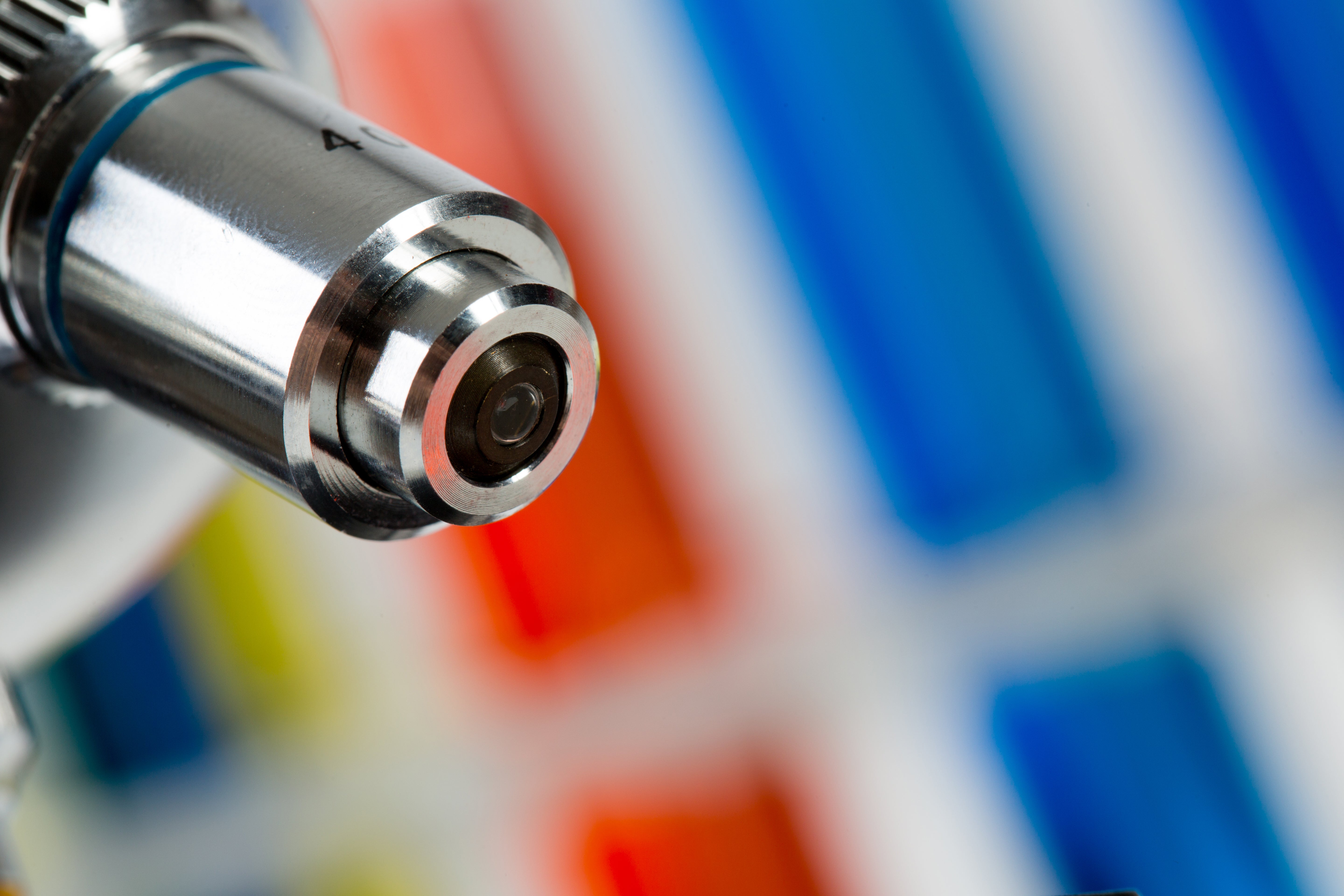
There are different proximity sensor types designed for various detection needs. Each sensor works differently depending on the application. Understanding proximity sensor types helps select the right sensor. These sensors include inductive, capacitive, optical, and ultrasonic sensors, each designed to provide reliable object detection in automation and safety applications worldwide today safely.
Inductive Proximity Sensor
An inductive proximity sensor detects metallic objects using electromagnetic fields. It generates a magnetic field around its sensing area. When metal enters this field, the sensor detects it. This detection method provides reliable performance. These sensors are widely used in industrial automation. The inductive proximity sensor provides accurate detection. These sensors are ideal for detecting metal parts in machines, assembly lines, and industrial automation systems worldwide safely today.
Capacitive Proximity Sensor
Capacitive sensors detect both metallic and non-metallic objects. They detect changes in capacitance caused by objects. These sensors detect liquids, plastics, and solids. Capacitive sensors provide flexible detection. They are widely used in automation and material detection systems. These sensors improve system reliability. Capacitive sensors help detect different materials accurately. They support automation systems and improve performance in industrial and commercial applications worldwide safely today.
Optical Proximity Sensor
Optical sensors use light beams to detect objects. They emit light and detect reflection from objects. These sensors provide accurate detection. Optical sensors detect objects at longer distances. They improve automation efficiency. Optical sensors are widely used in automation and safety systems. These sensors improve detection accuracy. Optical sensors support reliable detection in industrial automation and robotics applications worldwide safely every day.
Ultrasonic Proximity Sensor
Ultrasonic sensors use sound waves to detect objects. They emit sound waves and detect reflection. These sensors detect objects accurately. Ultrasonic sensors work well in harsh environments. These sensors improve detection reliability. Ultrasonic sensors detect objects at longer distances. These sensors support automation and safety systems. Ultrasonic sensors improve industrial automation and object detection performance worldwide safely today.
Applications of Proximity Sensor
Proximity sensors are widely used in automation, safety systems, and industrial equipment. These sensors improve automation efficiency and safety. These sensors support modern automation systems. Their fast detection improves performance. These sensors help machines operate efficiently and safely. Their applications support automation and safety in industrial and commercial environments worldwide today safely.
Industrial Automation
Proximity sensors are widely used in industrial automation. These sensors detect objects on conveyor belts. These sensors improve automation efficiency. Automation systems rely on these sensors. They improve system reliability. Automation improves productivity. These sensors support automation control systems. These sensors ensure reliable detection. Industrial automation systems rely on proximity sensors for safe and efficient operation worldwide safely today every day.
Robotics Systems
Robotics systems use proximity sensors for object detection. These sensors help robots detect objects safely. Robotics systems rely on accurate detection. These sensors improve robotic performance. These sensors improve automation reliability. Robotics systems depend on proximity sensors. These sensors ensure safe robotic operation. These sensors improve robotic efficiency. Robotics automation relies on proximity sensors worldwide safely today.
Automotive Safety Systems
Automotive systems use proximity sensors for safety applications. These sensors detect nearby objects. These sensors help prevent collisions. These sensors improve vehicle safety. These sensors support parking systems. Automotive systems rely on proximity sensors. These sensors improve driving safety. These sensors improve automation in vehicles. Automotive safety systems depend on reliable proximity sensors worldwide safely today.
Smartphone and Consumer Devices
Smartphones use proximity sensors to detect user presence. These sensors turn off screens automatically. These sensors improve device efficiency. These sensors improve battery life. These sensors improve device safety. Consumer electronics rely on proximity sensors. These sensors improve user experience. These sensors improve automation. Modern consumer electronics use proximity sensors worldwide safely today.
Proximity Sensor Uses
The proximity sensor uses include object detection, automation, safety systems, and control applications. These sensors improve efficiency and safety. The proximity sensor uses support automation systems. These sensors provide reliable detection. These sensors improve system performance. Their flexible detection capabilities support industrial, commercial, and automation systems worldwide safely today every day.
Machine Position Detection
Proximity sensors help detect machine position accurately. These sensors improve automation efficiency. These sensors help control machines. Automation systems rely on these sensors. These sensors improve operational accuracy. These sensors support safe operation. Machine control systems use proximity sensors. These sensors improve system performance. Industrial systems rely on these sensors worldwide safely today.
Safety and Protection Systems
Safety systems use proximity sensors to detect objects. These sensors help prevent accidents. These sensors improve system safety. These sensors detect objects quickly. Safety automation systems rely on these sensors. These sensors improve reliability. These sensors support automation safety. Safety systems depend on proximity sensors worldwide safely today.
Object Counting Systems
Proximity sensors help count objects automatically. These sensors improve production efficiency. These sensors support automation systems. These sensors improve accuracy. Automation systems rely on these sensors. These sensors improve operational efficiency. Industrial production systems use proximity sensors. These sensors improve automation performance worldwide safely today.
Automatic Control Systems
Automation systems use proximity sensors for control applications. These sensors detect objects automatically. These sensors improve automation efficiency. These sensors improve system reliability. Automation systems depend on proximity sensors. These sensors improve control accuracy. Industrial automation relies on these sensors worldwide safely today.
Conclusion
Proximity sensors play an essential role in automation and electrical systems. Understanding what is proximity sensor, its working principle, and different proximity sensor types helps ensure proper selection and installation. These sensors improve automation efficiency, safety, and reliability.
Technologies such as inductive proximity sensor improve detection accuracy and system performance. Their reliable detection makes them essential in industrial automation, robotics, and safety systems. Proper installation ensures long-term performance and safe operation. These sensors help modern systems operate efficiently and safely. For reliable sensing solutions suitable for industrial automation and electrical applications, professionals can explore suitable sensing devices available on the Schneider Electric India to support automation and system reliability.
FAQs
Q1. How to turn off proximity sensor?
Ans. To understand how to turn off proximity sensor, access device settings. Navigate to display or sensor settings. Disable proximity sensor option if available. Some devices require system permissions. Disabling may affect device functionality. Always ensure sensor settings match system requirements to maintain proper operation and device performance safely.
Q2. Can proximity sensors detect non-metal objects?
Ans. Yes, capacitive and optical sensors detect non-metal objects. These sensors detect plastic, liquids, and other materials. Detection depends on sensor type. Proper sensor selection ensures accurate detection. These sensors improve automation performance and reliability in industrial applications worldwide safely today.
Q3. What affects proximity sensor performance?
Ans. Environmental conditions affect sensor performance. Dust, temperature, and interference impact detection. Proper installation improves performance. Sensor placement is important. Correct installation ensures reliable detection. Environmental protection improves sensor reliability and performance worldwide safely today.
Q4. Are proximity sensors safe to use?
Ans. Yes, proximity sensors are safe. These sensors operate without contact. These sensors improve system safety. These sensors reduce mechanical wear. Proper installation ensures safety. These sensors improve automation reliability and safety worldwide safely today.
Q5. Do proximity sensors require maintenance?
Ans. Proximity sensors require minimal maintenance. Proper installation improves reliability. Regular inspection ensures proper operation. Clean sensors improve performance. Maintenance improves system reliability. These sensors support automation safely worldwide today.


Comments