




What Is a Float Switch and How Does It Work?
A float switch is one of the simplest and most reliable devices used to monitor liquid levels automatically. If you want to understand how water systems control pumps without human effort, the answer often involves a float switch working silently in the background.
This device rises and falls with liquid levels and activates electrical circuits when required. A properly installed float switch sensor helps prevent tank overflow, dry running, and equipment damage. These switches are widely used in homes, industries, and water management systems. They ensure smooth operation by detecting liquid movement and triggering control systems automatically. Their simple design, dependable performance, and ability to operate without constant supervision make them essential in modern liquid monitoring systems worldwide today.
What is Float Switch?

To explain what a float switch is, it is a device designed to detect liquid levels and control electrical circuits automatically. The float switch working principle depends on the movement of a floating element that rises or falls with liquid. When the float reaches a certain level, it activates or deactivates a switch.
A float type level switch ensures proper liquid level management and prevents overflow or dry conditions. This device works as a reliable electronic sensors solution for level detection. Many systems use an electric float switch to control pumps and alarms automatically. These switches improve safety, efficiency, and reliability in liquid monitoring applications worldwide.
Float Switch Working Principle
The float switch working process is based on detecting liquid movement and activating electrical contacts. When liquid rises or falls, the float moves accordingly. This movement triggers the internal switch. Proper installation using a float switch connection diagram ensures safe operation. This process explains the basic float switch working principle in electrical systems.
Float Movement Detection
The float moves freely with the liquid level inside the tank. As liquid rises, the float rises. When liquid falls, the float moves downward. This simple motion allows accurate detection. The float movement activates internal switching. This movement is the foundation of the float switch working principle. It allows automatic liquid monitoring. This process ensures reliable operation in water tanks, industrial systems, and liquid control applications worldwide safely.
Magnetic or Mechanical Switching
Inside the switch, magnetic or mechanical components detect float movement. When the float reaches a certain position, the internal switch changes state. This activates or stops electrical circuits. This switching process defines the float switch working mechanism. The switch sends signals to pumps or alarms. Proper switching improves reliability. This mechanism ensures automatic control and improves safety in liquid monitoring systems used worldwide safely today.
Electrical Circuit Activation
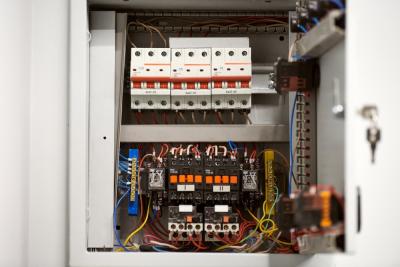
Once activated, the switch completes or breaks an electrical circuit. This allows connected devices to operate automatically. Proper installation using a float switch connection diagram ensures safe wiring. This automatic circuit control prevents overflow or dry running. The switch improves system efficiency. This automatic operation improves reliability and ensures safe liquid level management in industrial and residential electrical systems worldwide safely.
Continuous Level Monitoring
The switch continuously responds to liquid changes. It activates when needed and resets automatically. This ensures consistent monitoring. Proper float switch connection ensures accurate response. Continuous monitoring improves system safety. Automatic operation reduces manual effort. This process ensures reliable liquid level control. Continuous monitoring improves efficiency and ensures reliable performance in liquid control systems worldwide safely today.
Key Components of Float Switch
A float switch includes several essential parts that work together. These components ensure reliable performance. The float switch sensor, housing, and switching mechanism provide accurate detection. These parts help monitor liquid levels. Each component supports proper operation and ensures reliable liquid level detection in tanks, reservoirs, and industrial liquid monitoring systems worldwide safely today.
Float Element
The float element is responsible for detecting liquid level changes. It rises and falls with liquid movement. This movement activates the switch. The float ensures accurate level detection. It is designed to resist corrosion and wear. The float improves reliability. This component plays an important role in the float switch sensor system. Reliable float movement ensures accurate monitoring in liquid control systems worldwide safely.
Switch Mechanism
The switch mechanism controls electrical activation. It responds to float movement. This mechanism completes or breaks circuits. Proper switching ensures reliable performance. This mechanism improves system safety. It ensures automatic operation. The switch mechanism allows the electric float switch to control pumps automatically. Reliable switching improves efficiency and supports safe liquid level control in industrial and residential electrical systems worldwide safely today.
Protective Housing
The housing protects internal components from damage. It prevents water entry and protects electrical parts. Proper housing improves durability. This ensures reliable operation. Housing protects the switch mechanism. Durable housing improves reliability. Protective housing ensures safe operation. This component ensures reliable performance in liquid monitoring applications worldwide safely today.
Electrical Connections
Electrical wiring connects the switch to control systems. Proper wiring ensures safe operation. Correct float switch connection improves reliability. Wiring ensures signal transmission. Proper wiring improves safety. Secure connections prevent faults. Reliable wiring ensures proper operation. Electrical connections ensure efficient and safe operation in liquid level control systems worldwide safely today.
Types of Float Switches
There are different types of float switches designed for various applications. Each type offers unique advantages. Selecting the correct switch ensures reliable performance. Different designs support different installations. Understanding the correct types of float switches helps ensure safe and efficient liquid level monitoring in industrial and residential applications worldwide safely today.
Vertical Float Switch
Vertical switches move up and down along a fixed stem. These switches provide accurate detection. They are compact and reliable. These switches are widely used. They improve monitoring accuracy. Vertical switches provide efficient liquid level detection. These switches improve reliability. Vertical float switches ensure safe operation in liquid monitoring systems worldwide safely today.
Cable Float Switch
Cable-mounted switches float freely on liquid surfaces. These switches are flexible. They are easy to install. These switches improve liquid monitoring. They are commonly used in large tanks. Cable switches improve performance. These switches improve reliability. Cable float switches ensure reliable monitoring in water tank applications worldwide safely today.
Horizontal Float Switch
Horizontal switches are mounted on tank walls. These switches detect liquid levels accurately. They are easy to install. These switches improve monitoring efficiency. Horizontal switches improve reliability. These switches ensure proper operation. Horizontal float switches ensure reliable monitoring in industrial liquid control systems worldwide safely today.
Uses of Float Switch
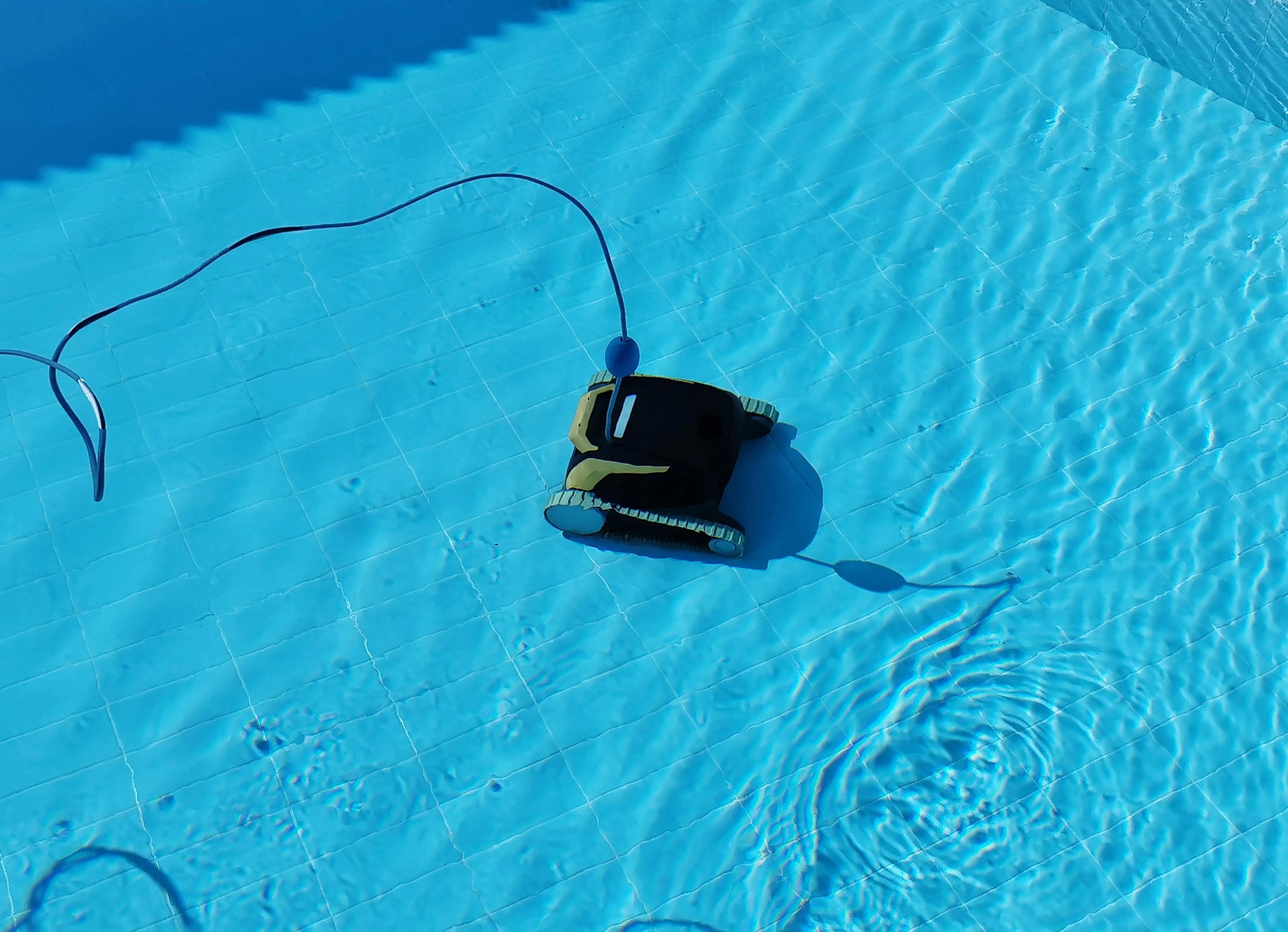
Float switches are widely used to monitor liquid levels and control systems automatically. They improve safety and efficiency. These switches prevent overflow and dry running. Many systems use float switches for water tanks to ensure proper liquid level management and reliable operation in residential and industrial applications worldwide safely today.
Water Storage Tanks
Float switches help maintain proper water levels. They activate pumps automatically. These switches prevent overflow. Proper monitoring improves safety. These switches improve efficiency. These switches ensure proper operation. Float switches ensure reliable water tank monitoring. Reliable monitoring improves system efficiency and ensures safe operation in water storage systems worldwide safely today.
Pump Control Systems
Float switches control pump operation automatically. They prevent dry running. Proper control improves safety. These switches improve efficiency. Pump control improves reliability. Automatic control improves system performance. Float switches ensure safe pump operation in industrial and residential systems worldwide safely today.
Industrial Liquid Systems
Industries use float switches to monitor liquids. These switches improve efficiency. Reliable monitoring improves safety. These switches improve system performance. Industrial applications rely on float switches. Reliable switches improve liquid monitoring. Float switches ensure reliable operation in industrial liquid monitoring systems worldwide safely today.
Wastewater Management
Float switches help monitor wastewater levels. These switches improve safety. Proper monitoring prevents overflow. Reliable switches improve efficiency. Wastewater systems rely on float switches. Reliable monitoring improves system performance. Float switches ensure reliable wastewater level monitoring worldwide safely today.
Conclusion
Float switches provide a reliable and simple solution for automatic liquid level control. Understanding the float switch working principle, components, and applications helps ensure proper selection and installation. These switches improve safety, efficiency, and reliability.
Devices like the electric float switch help automate liquid monitoring and improve operational efficiency. Proper installation ensures reliable performance. Float switches support safe liquid level management. They remain essential in modern liquid monitoring systems. For reliable float switch solutions and compatible electrical control components, professionals can explore suitable products available on the Schneider Electric India to ensure safe and efficient liquid monitoring system performance worldwide today.
FAQs
Q1. How accurate are float switches?
Ans. Float switches provide reliable level detection. Their accuracy depends on installation and design. Proper installation improves performance. Accurate switches improve system reliability. Float switches provide dependable liquid monitoring in various applications worldwide safely today.
Q2. Can float switches handle dirty water?
Ans. Yes, float switches can operate in dirty water. Proper selection ensures reliable performance. Durable designs improve reliability. Float switches support wastewater monitoring. Proper installation improves efficiency and reliability worldwide safely today.
Q3. Do float switches require maintenance?
Ans. Float switches require minimal maintenance. Regular inspection improves reliability. Cleaning improves performance. Proper maintenance ensures long-term reliability. Float switches provide dependable liquid monitoring worldwide safely today.
Q4. Can float switches control alarms?
Ans. Yes, float switches activate alarms automatically. Alarm activation improves safety. Reliable switches improve performance. Float switches ensure proper liquid level monitoring worldwide safely today.
Q5. Are float switches safe for industrial use?
Ans. Yes, float switches are safe and reliable. Proper installation improves safety. Reliable switches improve efficiency. Float switches support safe industrial liquid monitoring worldwide safely today.
Comments