

Why Surge Arresters Are Crucial for Electrical Safety in Modern Homes
Walk into any modern home and you’ll see gadgets everywhere. Big appliances, tiny chargers, smart TVs, routers, fridges that talk to your phone- all of them depend on a steady electricity supply. But electricity isn’t always steady. One spike, one sudden surge, and half those gadgets could be fried. This is where the surge arrester quietly plays hero.
So, what is surge arrester? In simple words, it’s a protective device that takes the hit when voltage shoots up, keeps your electronics safe, and dumps the extra energy safely into the ground. Without it, your expensive gadgets are at risk.
What is Surge Arrester?
At its core, a surge arrester is nothing more than a safety device. But don’t be fooled by how simple that sounds. The importance of surge arrester has grown massively as homes filled up with electronics. Years ago, a power surge might only dim a light bulb. Now? It could wipe out an entire home theatre system or destroy a router.
Surge Arrester Function
The surge arrester function is like a pressure release valve, but for electricity. Under normal conditions, it does absolutely nothing. When voltage rises too high, the arrester steps in and gives that excess current a safe route to earth. Once the surge passes, it’s back to sitting idle. You won’t even notice it’s there, but it saves your gadgets every time.
1. Normal Operating Condition
During normal voltage levels, a surge arrester remains completely inactive. It does not interfere with the flow of electricity or affect the performance of the connected system. This idle state ensures that power distribution continues without interruption while the arrester silently stands by, ready to act when a sudden voltage surge occurs.
2. Responding to Overvoltage
When lightning strikes or a switching surge raises the voltage beyond safe limits, the surge arrester immediately activates. It provides a low-resistance path for the excess energy. This prevents dangerous voltage from reaching sensitive equipment. The quick response protects motors, transformers, and electronic devices from damage that could otherwise result in costly downtime.
3. Safe Discharge to Earth
The arrester directs excess current safely into the ground, away from valuable equipment and users. It prevents insulation breakdown, overheating, and potential fire hazards. This discharge process happens within milliseconds. It ensures the power system continues functioning without exposing machinery or people to dangerous voltage levels.
4. Returning to Idle State
The arrester automatically returns to its non-conductive state. It goes back to silently monitoring the system without affecting normal operation. This self-resetting capability means there is no need for manual intervention. This makes surge arresters a dependable and maintenance-free protection method in modern electrical networks.
Surge Arrester for Home
So why bother with a surge arrester for home? Well, think about the devices running in your house right now. Your laptop, the fridge, maybe a washing machine mid-cycle, a TV in standby mode. All are vulnerable. A tiny surge might not kill them instantly, but repeated hits shorten their life. Adding one device at the main board protects all of them at once.
Surge Arrester Working Principle
The surge arrester working principle comes down to smart materials inside. These materials behave like stubborn gates. When voltage is normal, they resist and don’t let current pass. But if the voltage spikes beyond a safe level, they suddenly allow current to rush through- straight down to earth. Once balance is restored, they close again. That’s the entire trick.
How does a surge arrester work when lightning strikes? Imagine a thunderstorm. Lightning hits a power line nearby. A huge surge runs through the wires toward your home. The arrester notices the abnormal spike, reacts instantly, and lets the dangerous energy bypass your electronics. You stay safe, your gadgets stay safe.
1. Role of Nonlinear Materials
The core of a surge arrester lies in its nonlinear resistive materials, often made from zinc oxide. Under normal voltage, these materials act like strong barriers, resisting current flow. But when the voltage suddenly spikes, they switch behavior, allowing current to pass through quickly and safely, protecting connected electrical systems from serious harm.
2. Action During Overvoltage
When an abnormal surge occurs, such as from lightning or switching operations, the arrester instantly provides a low-resistance path. This directs excess current away from sensitive circuits. Its fast response time, measured in microseconds, ensures that damaging overvoltages are suppressed before they can cause breakdown of insulation or burn out electronic devices.
3. Safe Discharge to Earth
The excess surge current is channeled directly into the ground through the arrester. By diverting this energy safely to earth, it prevents dangerous voltages from entering equipment inside homes, offices, or factories. This controlled discharge protects appliances, machinery, and power infrastructure, while ensuring uninterrupted operation of the electrical distribution network.
4. Reset After Surge
Once the overvoltage subsides, the arrester’s materials return to their high-resistance state. It stops conducting and resumes its idle monitoring role, without the need for external reset. This automatic recovery ensures long-term reliability and maintenance-free protection, making surge arresters vital components in both domestic and industrial electrical systems worldwide.
How Does a Surge Arrester Operate?
Now, if you ask how does a surge arrester operate on a technical level, it’s about components like MOVs (metal oxide varistors) or spark gaps. MOVs act like resistors that change behaviour with voltage. At normal voltage, they block. At surge levels, they drop resistance and shunt current away. It’s physics doing the heavy lifting, but the effect feels like magic.
1. Role of Metal Oxide Varistors (MOVs)
The most common surge arresters use MOVs, which behave differently depending on voltage levels. At normal operating voltage, they act like insulators, preventing current flow. However, when a surge occurs, their resistance drops dramatically. This allows excess current to flow safely to earth. This smart behavior makes them highly effective and reliable.
2. Spark Gap Function
Some surge arresters use spark gaps, which are designed spaces between electrodes. Under normal voltage, the gap resists current. But when voltage spikes to dangerous levels, the electric field becomes strong enough to ionize the air and create a spark. This spark provides a temporary path for the surge to discharge safely.
3. Diverting Surge Energy
Both MOVs and spark gaps serve the same purpose. This diverts dangerous surge energy away from sensitive electrical devices. They prevent excessive voltage from entering connected systems. This process ensures appliances, computers, and industrial machines remain safe even during lightning strikes or switching events.
4. Automatic Reset After Surge
MOVs regain their high resistance and spark gaps extinguish automatically. The arrester resets itself without any manual intervention, returning to its standby state. This self-healing ability makes surge arresters a maintenance-free and dependable solution for long-term electrical protection in homes, offices, and industrial power systems.
Surge Arrester Types
Not all arresters are built the same. Different surge arrester types exist for different loads and environments.
Station Class Arresters
Station class arresters are the giants. They live in substations, protecting transformers and high-voltage networks. Homes don’t need them, but the importance of surge arrester at this level is preventing wide-area blackouts.
Intermediate Class Arresters
These are in-between models, used in factories and commercial buildings. Stronger than residential devices, lighter than station class. They’re proof that surge arrester function scales with need.
Distribution Class Arresters
Distribution class arresters are closer to what houses use. They protect local transformers and distribution lines. In a residential setup, they’re like the first line of defence before the surge arrester in your home even gets a chance to act.
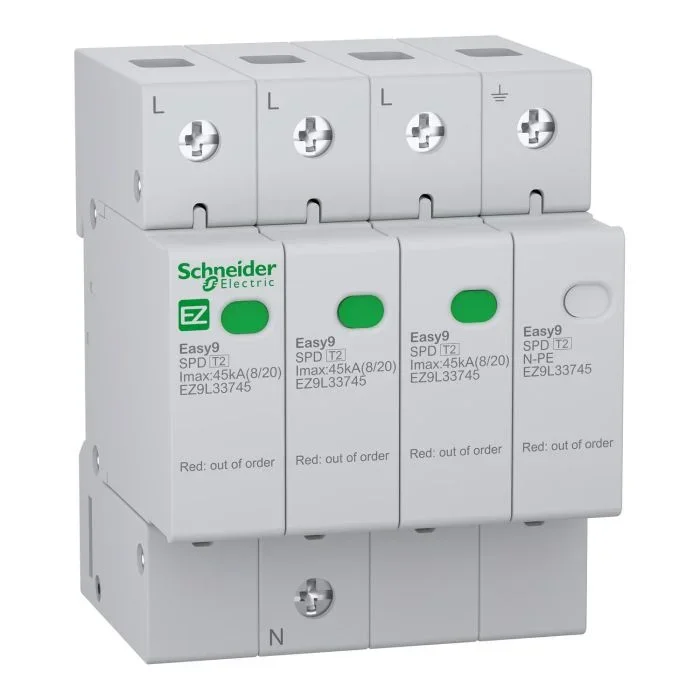
For homeowners, one name often comes up: Easy 9 surge arrester. It’s popular because it’s small, affordable, and designed for household panels. Instead of overcomplicating things, it just works quietly sitting in your main distribution board and waiting to do its job.
Surge Arrester Installation
You might be wondering about surge arrester installation. It’s not as simple as plugging in a power strip. A proper surge arrester needs to be wired into the main electrical panel of your home. That way it covers every connected device. Correct grounding is critical. If grounding is poor, the arrester has nowhere to send the surge. That’s why professionals usually handle installation. A bad job here makes the device useless.
1. Placement in the Electrical System
Surge arresters are installed at the main electrical panel to protect the entire system rather than just individual devices. They intercept surges before they spread through household wiring. This centralized placement ensures that all connected appliances, outlets, and equipment benefit from the arrester’s protective function.
2. Importance of Proper Grounding
Grounding is the most critical part of installation. A surge arrester works by sending excess energy safely into the earth. If grounding is weak or poorly connected, the arrester cannot discharge the surge effectively. This not only reduces protection but also risks damage to both electrical equipment and the arrester itself.
3. Professional Installation
Because surge arrester installation involves high-voltage panels and precise wiring, it is best left to licensed electricians. Professionals ensure correct placement, grounding, and adherence to safety standards. DIY attempts can lead to faulty installations, making the arrester ineffective. A qualified installer guarantees the system works reliably under real surge conditions.
4. Risks of Poor Installation
A badly installed surge arrester can give a false sense of security. Without proper grounding or secure wiring, it becomes useless during a surge event. It may even create new hazards. That’s why expert installation is vita. It ensures that the device actually performs its role of protecting valuable electrical equipment.
Importance of Surge Arrester
The importance of surge arrester has only grown with time. Think of how much money you’ve spent on gadgets in your home. TVs, laptops, washing machines, even refrigerators are now loaded with sensitive electronics. None of them tolerate sudden spikes. A single event can cut their lifespan in half or kill them instantly. Surge arresters don’t just protect the devices, they also prevent wiring damage and reduce the risk of electrical fires.
1. Protection of Household Electronics
Modern appliances like TVs, laptops, washing machines, and refrigerators contain delicate electronic circuits that cannot withstand sudden voltage spikes. A single surge can shorten their lifespan or destroy them instantly. Surge arresters act as guardians. It ensures these costly gadgets remain safe, thereby saving homeowners from unexpected repair or replacement expenses.
2. Preventing Wiring Damage and Fires
Voltage surges don’t just harm devices. They can also stress electrical wiring. Repeated surges weaken insulation. This raises the risk of overheating and fire. By safely channeling excess energy into the ground, surge arresters prevent this hidden damage. Their role goes beyond device protection, safeguarding the entire electrical infrastructure of a building.
3. Essential for Modern Smart Homes
Today’s homes are filled with smart gadgets- Wi-Fi routers, streaming devices, automated lighting, and smart security systems. Each of these depends on sensitive electronics that are vulnerable to even minor surges. A surge arrester ensures these systems remain functional and connected. This makes it an essential part of modern living and home automation.
4. Defense Against Routine Power Spikes
Surge protection isn’t only about lightning strikes. Everyday fluctuations in the power grid, like switching operations or utility disturbances, also generate small spikes. Over time, these minor surges degrade equipment silently. A surge arrester shields against both major and routine events. This ensures consistent protection and longer life for household electronics and systems.
Also Read: Different Functions of Isolation Transformers and Surge Protective Devices
Conclusion
So, to circle back, what is surge arrester? It’s a guardrail for your home’s electrical system. It doesn’t stop surges from happening, but it redirects them before they fry your devices. From lightning to utility switching, surges are unpredictable, but the surge arrester working principle makes sure they’re dealt with instantly.
With various surge arrester types available, from distribution class to the Easy 9 surge arrester, there’s an option for every level of protection. Proper surge arrester installation ensures the device works as intended.
The importance of surge arrester in modern homes can’t be ignored. It keeps your electronics safe, protects wiring, and reduces fire risks. If you’re building or upgrading a house, adding a surge arrester for home isn’t just a smart move. It’s essential for electrical safety in today’s tech-filled world.
FAQs
Q1. Can a surge arrester protect solar power systems?
Ans: Yes, many modern setups include a surge arrester for home solar systems. Solar inverters and panels are especially sensitive to spikes caused by lightning or grid switching. A well-installed arrester extends the lifespan of solar equipment and prevents costly breakdowns.
Q2. Do surge arresters wear out over time?
Ans: Yes. Each time a surge is diverted, the internal materials degrade slightly. Over years, or after multiple heavy surges, performance drops. Some models like the Easy 9 surge arrester include visual indicators to show when replacement is needed. Regular checks ensure your protection is still reliable.
Q3. What’s the difference between surge arresters and surge protectors?
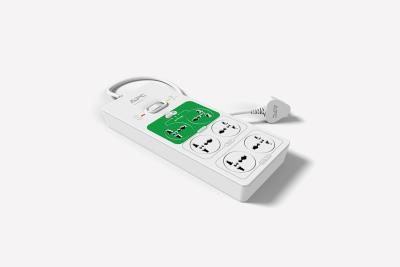
Ans: Surge arresters are installed at the main panel and protect the entire home. Surge protectors are smaller devices, often power strips, that protect individual appliances. Ideally, you use both: the arrester handles big surges, the protector adds a second layer for sensitive electronics.
Comments