





Dimmer Switches: Benefits, Species, and Their Relevance
Light plays a vital role. It defines the uses of a space. This is specifically true when using dimmer switches because the possibility of tweaking the illumination’s brightness makes for an effective way to control it. These switches ensure that they offer a cozy environment. They can also be used to establish a bright environment. This blog will explain what a dimmer switch is. It will also begin with an explanation of the various forms and uses of these devices.
Table of Contents
• Advantages of Dimmer Switches
• How to Install Dimmer Switches?
• The Importance of Dimmer Switches in Modern Homes
• How Do Dimmer Switches Work?
• How to Wire a Dimmer Switch?
What is a Dimmer Switch?
Basically, a dimmer switch alters the voltage or current supplied to a given light fixture to affect the brightness of the light. As a result, dimmer switches provide the options needed to set the right illumination at the right setting. They also assist in setting a relaxing mood. These features make them an invaluable addition to today's interiors.
Types of Dimmer Switches
Different dimmer switches are known to exist. All of these types are orientated to meet different requirements and lighting installations. Here's a closer look at the most common options:
Rotary Dimmer Switches
Along with basic brightness control, these switches are known for long service life and stable output. Many users like them for daily use because the turning motion feels clear and steady. The function of the dimmer switch in this type stays simple, making it easy to control light without learning new steps or settings.
Slide Dimmer Switches
These switches work well in spaces where light levels change often during the day. The slider gives visual feedback, so users know the light level at a glance. A manual dimmer switch like this suits homes where direct control matters more than added features or digital control panels.
Toggle Dimmer Switches
Toggle styles mix familiar switching with light control. They are often chosen for older wiring layouts and standard wall plates. Some versions support a double-pole dimmer switch, which allows better handling of higher loads. This makes them useful in rooms where more than one circuit needs control.
Smart Dimmer Switches
These switches connect well with modern homes and flexible lighting plans. A smart dimmer switch allows control through schedules and remote access. Many users prefer it for living rooms and bedrooms where comfort matters. It also helps manage energy use without changing wiring layouts too much.
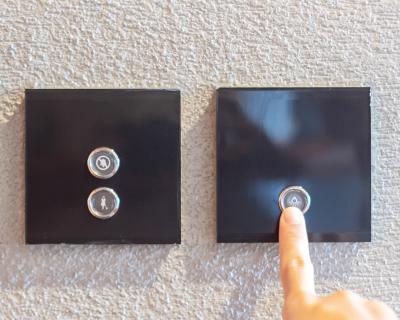
Touch Dimmer Switches
Touch models suit modern interiors and clean wall designs. They respond fast and reduce wear since there are no moving parts. A good LED dimmer switch works smoothly with this design, keeping lights steady and avoiding flicker. Many users enjoy the quiet operation and smooth light changes.
Preset Dimmer Switches
Preset switches are helpful when the same light level is used often. One press can return to the saved brightness without delay. These switches show real dimmer switch uses in busy homes where lighting needs change through the day, such as reading, resting, or social gatherings.
Advantages of Dimmer Switches
Dimmer switches may be considered simple light regulators, but their benefits reach further than that. Here are some key benefits:
Energy Efficiency
A dimmer reduces power flow to the bulb during low-light needs. This simple action saves power over time. Learning about dimmer switch uses helps homeowners cut waste. Lights no longer run at full strength all day. This habit supports better control of household power use.
Increased Bulb Lifespan
Lower power reduces heat inside bulbs. This helps bulbs last longer with fewer failures. During installing a dimmer switch, correct wiring matters to avoid load stress. Proper setup keeps bulbs steady and reduces sudden power spikes that often cause early bulb damage.
Enhanced Ambiance
Soft lighting changes how a room feels during rest or social time. A dimmer supports smooth light changes without sudden glare. Knowing how to test a dimmer switch after setup ensures a stable output. Stable light avoids flicker and keeps the space calm and balanced.
Cost Savings
Reduced energy use and longer bulb life lead to steady savings. Over months, this difference becomes clear on utility bills. Choosing the right dimmer for the load avoids waste. Smart planning lowers repair needs and supports steady lighting without extra spending.
Uses of Dimmer Switches
Dimmer switches are used in homes and workspaces to control light output based on mood, task, and time of day. They support comfort, reduce glare, and help manage power use. These switches also suit rooms where the light needs to be changed often. Below are common ways they are applied in daily settings.
Living Room Lighting Control
In living rooms, dimmers help shift light levels between daytime use and evening rest. Soft light works well for family time or quiet reading. Bright light suits for cleaning or gatherings. This shows clear dimmer switch uses in one shared space. The switch allows smooth control without changing fixtures or bulbs.
Bedroom Comfort Settings
Bedrooms need calm lighting for rest and personal routines. Dimmers allow low light at night and stronger light during dressing time. This avoids harsh glare after sleep. A manual dimmer switch works well here since it is simple and steady. The user feels more relaxed with better light balance.
Dining Area Mood Lighting
Dining rooms benefit from flexible lighting. Dimmers help set soft light for dinner and brighter light for tasks like serving. This improves comfort during meals. The dimmer light switch keeps the focus on food and people, not sharp light. It also supports longer fixture life with steady control.
Office and Study Areas
Work areas need light that matches focus and screen use. Dimmers help reduce eye strain during long hours. Light can be raised for writing and lowered for screen work. Many offices now use an LED dimmer switch because it supports modern bulbs and steady output without flicker.
Energy Control in Hallways
Hallways do not need full brightness all day. Dimmed light keeps paths visible without waste. This reduces power use and bulb wear. A smart dimmer switch can adjust light by time or motion. This suits long hallways and shared spaces where lights stay on often.
How to Install Dimmer Switches?
Installing a dimmer switch needs care, basic tools, and clear steps. Power safety comes first, followed by proper wiring and testing. While the process is simple, each step must be followed in order. Below is a clear breakdown to help understand the process better.
Turn Off the Power Supply
Before any work, the power must be shut off from the main board. This prevents shock or wire damage. Always test the switch area before touching wires. This step is key when installing a dimmer switch. Skipping this part can lead to injury or damage to the wall unit.
Remove the Old Switch
After the power is off, remove the cover plate and screws. Gently pull the switch out to see the wiring. Take note of wire positions. This helps later connections. Some homes use a double-pole dimmer switch, which controls two circuits. Such setups need careful wire matching.
Connect the Dimmer Wires
Match dimmer wires with wall wires using connectors. Tight fits are needed. Loose wires may cause flicker. Check the wire labels if provided. Wire order matters for smooth function. The function of a dimmer switch depends on correct wiring, not force or guesswork.
Mount the Dimmer Unit
Place the dimmer into the wall box slowly. Avoid bending wires sharply. Secure it with screws and attach the faceplate. Ensure the fit feels firm. Check dimmer switch dimensions before mounting. A poor fit can press wires and affect performance over time.
Test the Installed Switch
Restore power and turn the dimmer on. Adjust light levels slowly. Watch for flicker or noise. If the light does not respond, turn the power off again. This step explains how to test a dimmer switch safely. Testing confirms wiring accuracy and stable control.
The Importance of Dimmer Switches in Modern Homes
Dimmer switches are practical additions to any home. They offer personalized lighting control and enhance comfort. These switches also reduce energy consumption and enhance the overall aesthetic of your space.
Modern dimmer switches integrate seamlessly with smart devices. They allow for remote control and automation. This versatility makes them a valuable investment for any homeowner.
Better Control Over Daily Lighting
One main function of the dimmer switch is to give full control over light strength during the day. Morning light needs are different from night hours. With a dimmer, users adjust light without changing fixtures. This helps rooms feel calm during rest time and bright during work hours.
Comfort for Eyes and Mood
A standard dimmer light switch supports eye comfort in long indoor hours. Soft light reduces strain and headache risk. Homes with controlled lighting feel warm and relaxed. This setup suits reading areas, dining rooms, and rest spaces where strong light often feels harsh or unwanted.
Support for Smart Living
A smart dimmer switch fits well with modern home systems. Users control lights through mobile devices or wall panels. Timers and preset levels reduce daily effort. This system suits busy homes where lighting needs change often, without walking to switches again and again.
Fit and Design Flexibility
Modern homes focus on clean design and proper fitting. Correct dimmer switch dimensions help during wall planning and panel selection. A good fit avoids loose wiring and plate gaps. It also keeps the wall surface neat and aligned with other electrical points.
How Do Dimmer Switches Work?
If you intend to install dimmer switches, then you need to know how they operate. Many different technologies are applied to dimmer switches. They help to control the amount of power that comes to the light bulb. Some of the mechanisms are as follows:
Rheostats
Rheostats were used in early lighting systems and still appear in some older homes. These switches control light by limiting current flow and releasing excess power as heat. A manual dimmer switch often uses this method. Heat buildup makes them less suitable for long use and higher-watt bulbs.
Triacs (Triode for Alternating Current)
Triac-based dimmers control power by cutting parts of the electrical wave. This switching happens very fast and feels smooth to the user. A double-pole dimmer switch often uses this system for added safety. It disconnects both live wires, which helps during maintenance or fault situations.
Pulse Width Modulation (PWM)
PWM works by sending power in short pulses instead of a steady flow. This suits modern lighting well, especially an LED dimmer switch. It avoids flicker and supports steady brightness control. PWM dimmers also stay cooler and support long operation without stressing the lighting unit.
How to Fit Dimmer Switches?
1. Turn Off the Power
Before touching any wiring, confirm power is fully off using a tester. This step reduces risk and avoids damage. People often skip checks, but it matters. Understanding installing a dimmer switch starts with safety and patience, not speed or guesswork during electrical work.
2. Remove the Old Switch
Once removed, inspect the wire condition and spacing inside the box. Tight spaces can cause issues later. Check dimmer switch dimensions before fitting the new unit, as some models are deeper. Clean connections help ensure steady light output and reduce future faults.
3. Connect the Dimmer Switch
Follow wire colors and labels carefully. Loose connections can cause flicker or failure. After wiring, it helps to know how to test a dimmer switch before closing the wall plate. A quick test confirms proper load handling and smooth brightness change.
4. Attach the Dimmer to the Wall
Align the switch straight and avoid pinching wires behind it. Screws should be firm, not forced. A well-fitted dimmer light switch sits flat and feels stable during use. Poor mounting can affect long-term operation and lead to early wear.
5. Restore Power
After restoring power, check the light response at low and high levels. Smooth changes show a correct setup. Watch for noise or delay during adjustment. If issues appear, recheck wiring. Proper testing ensures the switch works well and supports daily use without problems.
How to Wire a Dimmer Switch?
1. Identify the Wires
Before touching any cable, switch off the main breaker and check with a tester. Older homes may have mixed colors, so take time to trace each line. A manual dimmer switch needs a correct wire match, or a flicker may happen. Read the label on the switch body to avoid confusion during the early setup stage at home.
2. Connect the Wires
Make sure the copper ends are clean and tight before joining. Loose joints create heat and failure later. When fitting a dimmer light switch, follow the arrow marks that show power flow. Keep neutral wires capped if not used, since wrong contact can trip the circuit during normal home lighting work.
3. Secure the Connections
Push wires gently back so nothing bends sharply. Overfilled boxes cause pressure on terminals. This step matters more with a smart dimmer switch since it has larger parts inside. Align the switch straight, then fasten the screws firmly but not too hard, else the threads strip on old walls with shallow boxes common issue seen often here.
4. Test the Dimmer Switch
Testing should be slow and calm. Turn the knob or slider through the full range and watch the light response. Check for buzz or heat at the plate. These checks explain common dimmer switch uses, like mood lighting or energy cut. If faults show, shut off power and recheck wiring before daily room use begins each night time home.
What Does a Dimmer Switch Do?
A dimmer switch is a device that enables one to regulate the brightness of light in the room. It provides you with independent control over the lighting situation. That is why you can apply them to create a condition of minimum intensity or, on the opposite, high illumination. They also help save more electricity through the use of other controls like dimmer switches. They cut the amount of energy delivered to the bulb. These switches also help you to maximize the life of your lighting fixtures.
Controls Light Intensity
A dimmer lets users fine-tune brightness instead of simple on or off. This suits rooms with mixed tasks. Soft light feels calm, strong light aids work. The switch gives smooth transitions. This basic function of a dimmer switch supports comfort and steady use across many spaces.
Manages Power Flow
Dimmers reduce the amount of electricity sent to the bulb. Lower power means lower heat and less stress on the fixture. This helps bulbs last longer. Power flow changes gently. The system does not waste excess energy when full brightness is not required.
Improves Visual Comfort
Harsh light can strain eyes, especially at night. Dimmers soften light output and reduce glare. This is useful in bedrooms and living rooms. The user controls brightness without changing bulbs. Visual comfort improves through steady and controlled light levels.
Supports Different Bulb Types
Many dimmers work with modern lighting options. They are designed to handle varied load types. Correct pairing avoids flicker or buzz. This allows use with newer lighting designs. Compatibility helps users keep current fixtures while upgrading control systems.
Adds Control Without Redesign
Dimmers change lighting behavior without rewiring rooms. One switch can change how a space feels. No new fixtures are needed. This makes dimmers a simple upgrade. Control improves without altering layout or decor, which suits older and newer homes alike.
Read Also - Reasons for Using a Dimmer for your Home's Lighting
Conclusion
Schneider Electric's eShop is a fantastic place to consider upgrading your lighting with dimmer switches. We offer a wide range of switches, each tailored to different needs and preferences. Our products are designed to deliver excellent performance. You can shop for the best smart dimmers and energy-efficient dimmers from our shop.
Frequently Asked Questions
Q1. Are dimmer switches compatible with smart home systems?
Ans. Yes, many dimmer switches work with modern smart home setups. A smart dimmer switch connects with lighting controls through wiring and settings, not apps alone. Check the voltage type, load range, and neutral wire needed. Also confirm:
• Light type support
• Wall box space
• Local wiring rules
Installation should follow simple steps and a careful power shutoff.
Q2. How do dimmer switches enhance spaces?
Ans. Dimmer switches change mood and comfort by letting users adjust the light depth. Common dimmer switch uses include soft dining light, calm bedroom glow, and focused task areas. They also reduce glare and eye strain. Key effects:
• Better room balance
• Flexible daily scenes
• Smooth light shifts
This control helps spaces feel lived in and steady.
Q3. What should I check before buying a dimmer switch?
Ans. Before buying, review wiring, bulb type, and wall space. A dimmer light switch must match LED or halogen loads to avoid flicker. Check faceplate size and heat rating. Important checks:
• Load limits
• Bulb support list
• Wall depth fit
Poor matching often leads to noise, heat, or short life during daily use.
Q4. What is the difference between single-pole and 3-way dimmer switches?
Ans. The main difference lies in how many locations control the light. A manual dimmer switch in single-pole setups works from one spot only. A 3-way dimmer allows control from two points. Consider:
• Room entry paths
• Switch count
• Wiring layout
Larger rooms often feel easier with two access points near doors.
Q5. Do dimmer switches save electricity?
Ans. Dimmer switches can lower power use when lights stay at reduced levels. Less output means less draw over time. Savings depend on bulb type and habits. Points to note:
• Longer bulb life
• Lower heat build-up
• Steady light control
Small changes across rooms add up each month without effort at home.

Comments