





High Voltage vs Low Voltage: Safety Standards You Must Know
If you have ever tried to figure out what is high voltage, you have probably noticed it’s not as straightforward as it sounds. Electricity is not just “on” or “off”. There are levels to it. These levels matter more than people think. This is exactly where understanding what is high voltage and low voltage comes in.
In real-world situations, the way high voltage vs low voltage behaves can change everything. Most people don’t think about these differences until they face a problem. Knowing how voltage works isn’t just useful. It helps you avoid mistakes that can cost time, money, or even safety.
What is a High Voltage
So, what is high voltage when you strip away the technical language? It’s electricity that carries enough force to handle big tasks like running industrial machines or travelling long distances without losing strength. You will usually come across it in power lines, substations, or heavy equipment setups.
These systems operate within specific electrical voltage levels, and those levels are chosen carefully. The idea is simple: move more power, more efficiently. But that efficiency comes with responsibility.
When you think about the high voltage and low voltage difference, high voltage stands out because of how intense it is. It’s not something you experiment with casually. Even small mistakes can lead to serious consequences. That’s why strict safety practices exist around it. Understanding what is high voltage and low voltage helps you see why high voltage is used in demanding environments and handled with a lot more caution than everyday electrical systems.
What is a Low Voltage
Now, coming to what is low voltage. It is the kind of electricity most people interact with every day. It powers small devices, lighting systems, and communication setups. It’s quiet, controlled, and generally safer.
Low voltage works within limited electrical voltage levels, which is exactly why it’s widely used in homes and offices. You will also find it in systems like the Wiser home automation system by Schneider Electric, where reliability and safety matter more than raw power.
If you look at the difference between high and low voltage, low voltage is easier to handle and less risky. But it also has limits. It won’t run large machines or industrial systems. This is where the high and low voltage difference becomes practical. Understanding what is high voltage and low voltage helps you choose the right type depending on what the system actually needs.
Difference Between High Voltage and Low Voltage
The difference between high voltage and low voltage isn’t just theory. It shows up in real decisions. When comparing high voltage vs low voltage, you start noticing differences in safety, cost, and application. This helps you avoid confusion when working with electrical systems in practical situations.
Voltage Levels and Range
Start with the obvious- the range. This is usually the first difference between high voltage and low voltage people notice. High voltage operates at much higher levels, while low voltage stays within safer limits. These electrical voltage levels influence everything from design to insulation. The high voltage and low voltage difference here isn’t just about numbers. It actually shapes how electrical systems are planned and installed.
Safety and Risk Factors
The high voltage vs low voltage comparison really stands out when you look at safety. High voltage can cause burns, shocks, and even arc faults. Low voltage is safer. But, it is not completely harmless. Understanding high voltage helps you recognise the risks. The difference between high and low voltage in safety is why proper handling and precautions are always necessary.
Applications and Usage
Look at where each type is used, and the high vs low voltage difference becomes obvious. High voltage is used in industries and large systems. Low voltage is used in homes. The high and low voltage difference is really about purpose. Each type is designed for specific tasks, and using the wrong one can cause problems.
Cost and Installation
Cost often gets overlooked, but it matters. The difference between high voltage and low voltage includes installation complexity too. High voltage systems need specialised equipment, which makes them expensive. Low voltage systems are simpler and cheaper. The comparison shows that higher power usually comes with higher costs and more complex setups.
Equipment and Handling
Handling requirements are very different. This is another clear difference. High voltage needs trained professionals and proper tools. Low voltage is easier to manage. Knowing low voltage helps identify systems that are safer to work with. The difference also affects maintenance, making low voltage systems more practical for everyday environments.
Where are High Voltage Used
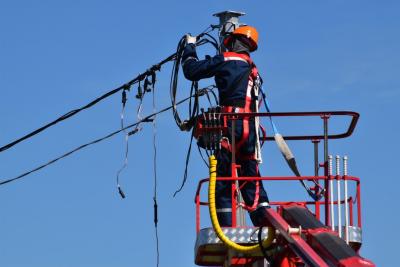
High voltage is used in situations where large amounts of power are required. Understanding high voltage helps identify these applications. These systems operate at higher electrical voltage levels and are essential for industries, infrastructure, and power distribution networks that require efficient energy transfer across long distances.
Power Transmission Systems
Electricity doesn’t just appear where it’s needed. It has to travel. High voltage makes that possible. It reduces energy loss during transmission. Understanding high voltage explains why it’s used here. These systems rely on high electrical voltage levels to remain efficient. Without high voltage, delivering power across cities would be far less practical.
Industrial Machinery
In industrial settings, power demand is high. Machines require strong electrical input to function properly. This is where the difference becomes practical. Low voltage cannot support heavy machinery. High voltage ensures reliable and continuous operation in demanding industrial environments.
Substations and Transformers
Substations help manage electricity by adjusting voltage levels. High voltage enters, and transformers reduce it for safe use. This process shows the high and low voltage difference clearly. These systems are essential for safe distribution. Without them, electricity wouldn’t be usable in homes or businesses.
Where are Low Voltage Used
Low voltage is used in everyday systems where safety and control are more important than power. Understanding low voltage helps identify its role in homes and electronics. These systems operate within safe electrical voltage levels and are widely used in residential, commercial, and modern smart environments.
Household Appliances
Most household devices rely on low voltage. From televisions to chargers, these systems are designed for safe use. Understanding low voltage explains why they are suitable for homes. The difference between high and low voltage becomes clear here. Low voltage reduces risks while maintaining performance for everyday use.
Smart Home Systems
Modern homes rely on low voltage systems for safety and convenience. Technologies like Wiser home automation use it to manage devices efficiently. The high vs low voltage comparison shows why low voltage is preferred. It allows flexibility while maintaining safety in connected environments.
Communication and Electronics
Electronic devices depend on low voltage to function properly. Phones, laptops, and networking systems operate within safe electrical voltage levels. Understanding the high and low voltage difference is important here because high voltage would damage sensitive electronics instantly.
| Factor | High Voltage | Low Voltage |
|---|---|---|
| Power Capacity | High | Low |
| Safety | Risky | Safer |
| Usage | Industrial | Household |
| Cost | Expensive | Affordable |
| Distance | Long range | Short range |
Conclusion
When you really look at it, voltage isn’t just a technical concept. It’s something that directly affects how systems perform and how safe they are. Knowing what is high voltage, what is low voltage, and how each works helps you avoid unnecessary risks. The comparison of high voltage vs low voltage makes it clear that both are important, just in different ways.
High voltage handles large-scale operations, while low voltage supports everyday systems. The key is understanding where each fits. Electrical systems work best when the right choices are made from the start. If you’re looking for reliable solutions designed around safety and efficiency, exploring options on the eShop of Schneider Electric is a practical way to move forward.
FAQs
Q1. Why is high voltage more dangerous?
Ans. High voltage carries more energy. This increases the risk of burns and electrical accidents. It can also create arcs. Understanding the difference between high and low voltage helps explain why strict safety measures are required.
Q2. Can low voltage still cause harm?
Ans. Yes, low voltage can still cause minor shocks. Although safer, it isn’t risk-free. Understanding low voltage helps ensure proper handling.
Q3. Where is high voltage commonly used?
Ans. High voltage is used in power transmission and industrial systems. Understanding high voltage helps identify these applications.
Q4. Why is low voltage used in homes?
Ans. Low voltage is used in homes mainly because it offers a much safer and more practical way to power everyday devices. Most household appliances, like TVs, chargers, lighting systems, and smart controls, don’t need large amounts of power to function. Using low voltage reduces the risk of severe electric shock, fire hazards, and damage to sensitive electronics.
Q5. How do voltage levels affect systems?
Ans. When you choose the right voltage level, the system operates smoothly. Higher voltage allows power to travel longer distances with less energy loss, which is why it’s used in transmission and heavy machinery. Lower voltage, on the other hand, is better for short distances and sensitive equipment because it reduces risk and improves safety.
Comments