
Why Does My Light Switch Feel Warm to the Touch? (And What to Do About It)
Summary
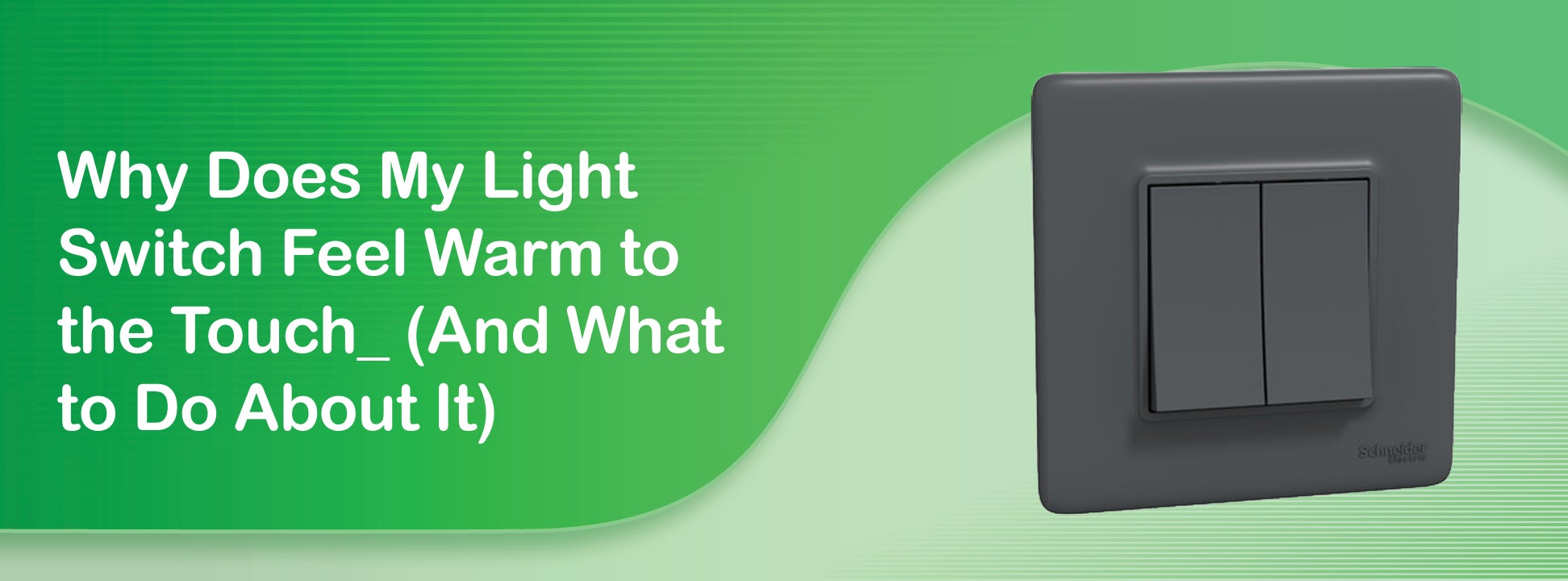
A slightly warm light switch isn't always cause for panic. But it isn't always harmless either. This guide covers faulty light switch symptoms worth watching for, the usual reasons behind a hot light switch, and how to fix a hot light switch before it turns into something worse. Whether the concern is a warm light switch on a dimmer or full-blown light switch overheating near an outdated panel, this breaks down what matters and what can safely wait.
Key Takeaways
• A slightly warm switch can be normal, especially with dimmers.
• A genuinely hot switch usually points to a wiring or load issue.
• Loose connections are the most common cause of overheating.
• Dimmer switches run warmer than standard toggle switches by design.
• Persistent heat, discolouration, or a burning smell means calling an electrician.
Introduction
Flipping a light switch and feeling warmth under a finger is unsettling. Most people notice it by accident, reaching for the switch in the dark. Is it normal? Sometimes. Is it dangerous? Sometimes that too. The tricky part is telling the difference without an electrical background. This guide walks through what a warm light switch usually means, when it signals a real problem, and what steps actually help before calling in a professional becomes the only sensible option left.
Faulty Light Switch Symptoms
Heat rarely shows up alone. Most failing switches give off a handful of warning signs together, and learning to spot faulty light switch symptoms early makes the difference between a five minute fix and a full rewiring job.
Warmth That Lingers After Use
A switch that stays warm long after being turned off, not just during use, suggests something isn't right internally. Normal switches cool down fairly quickly. Persistent warmth points toward resistance building up somewhere inside the mechanism, often from a loose or corroded connection that keeps generating heat even at rest.
Flickering or Dimming Lights
Lights that flicker unexpectedly, especially without a dimmer installed, often trace back to a failing switch contact. That inconsistent contact creates resistance, and resistance creates heat. If flickering shows up alongside a warm light switch, the two symptoms are very likely connected rather than coincidental.
Discolouration Around the Switch Plate
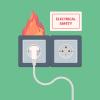
Yellowing, browning, or scorch marks on the plastic switch plate are never a good sign. This discolouration usually results from prolonged heat exposure, sometimes from arcing inside the switch itself. Spotting this visually is one of the clearest faulty light switch symptoms, and it warrants immediate attention rather than a wait and see approach.
A Faint Burning Smell
Any burning smell near a switch, however faint, deserves immediate attention. This often indicates insulation breaking down from sustained heat, which can eventually lead to a genuine fire risk if ignored. Unlike warmth alone, a burning odour rarely has an innocent explanation worth waiting out.
Clicking or Buzzing Sounds
A switch that clicks unusually loud, or produces a faint buzzing sound during operation, often has a loose internal connection. That looseness creates intermittent contact, generating both noise and heat simultaneously. Combined with warmth, this symptom strongly suggests it's time for a closer inspection.
Hot Light Switch Causes
Understanding why is my light switch hot starts with the electrical basics. Heat in any circuit almost always traces back to resistance, and a few common culprits explain most residential cases worth knowing about.
Loose Wiring Connections
Loose terminal screws inside the switch box create resistance at the connection point. That resistance generates heat every time current flows through, gradually worsening over time as the connection loosens further. This remains the single most common reason behind an electrical switch getting hot in older homes.
Overloaded Circuits
A switch controlling too many fixtures, or sharing a circuit with heavy appliances, can run hotter than expected under sustained load. Even switches rated correctly for standard use can struggle when a circuit regularly draws close to its maximum capacity, leading to gradual, cumulative heat buildup.
Dimmer Switch Design
Dimmer switches inherently run warmer than standard toggle switches, since they regulate current rather than simply passing it through. This is expected behaviour to a degree, though excessive heat still signals a problem. Why is my light switch warm becomes an easier question to answer once dimmer function enters the picture.
Incompatible or Damaged Bulbs
Using bulbs that exceed a switch or dimmer's rated wattage forces the device to handle more current than intended. Over time, this mismatch generates excess heat at the switch itself. LED retrofits sometimes cause unexpected issues here too, particularly with older dimmers never designed for their specific electrical characteristics.
Aging or Low Quality Switchgear
Older switches, or ones built from lower quality materials, degrade internally faster than modern alternatives. Components like low voltage switchgear used in some outdated panels weren't necessarily built to handle today's higher household electrical loads, making gradual overheating more likely as the equipment continues aging in place.
How to Fix a Hot Light Switch
Once the cause seems clear, addressing how to fix a hot light switch usually falls into a few practical categories, ranging from simple checks through to jobs that genuinely need professional hands.
Turn Off Power and Inspect Safely
Before touching anything, switch off the breaker feeding that circuit and confirm it's dead using a voltage tester. Removing the switch plate afterward allows a visual check for scorch marks, loose wires, or corrosion. This first step alone often reveals exactly what's causing the heat in the first place.
Tighten Loose Connections
If wiring inside the box looks loose, tightening the terminal screws often resolves minor heat issues immediately. This is a common fix for light switch gets hot complaints in older homes, though it should only be attempted with power fully disconnected and a basic understanding of the wiring layout involved.
Replace the Switch Entirely
Sometimes tightening isn't enough, and the switch itself needs replacing. Signs like melted plastic, persistent discolouration, or repeated overheating despite tight connections all point toward outright replacement rather than repair. A new switch rated correctly for the connected load usually resolves the issue permanently.
Call a Licensed Electrician
Persistent light switch overheating despite basic troubleshooting, or any sign of wiring damage beyond the switch itself, calls for professional inspection. An electrician can trace the issue back through the circuit, checking for problems a visual inspection alone simply cannot catch, protecting both the home and its occupants properly.
Conclusion
A little warmth on a dimmer switch rarely means trouble, but genuine heat, discolouration, or a burning smell should never get ignored. Catching faulty light switch symptoms early usually means a quick fix rather than a costly repair down the line. If you are replacing a switch or upgrading household wiring, you can find reliable components through the Schneider Electric eShop.
FAQs
Q1. Is it normal for a switch to feel slightly warm during regular use?
A gentle warmth, especially with dimmers, is usually harmless. Genuine heat that lingers or worsens over time is not something to ignore.
Q2. Can a hot light switch cause a house fire?
Yes, in rare but serious cases. Prolonged overheating can degrade insulation and, in extreme situations, ignite nearby materials if left unaddressed for too long.
Q3. Does switching to LED bulbs reduce heat at the switch?
Often yes, since LEDs draw less current than incandescent bulbs, though compatibility with older dimmer switches should still be checked beforehand.
Q4. How quickly should a suspected wiring issue be addressed?
Immediately, if there's any burning smell or visible damage. Milder warmth without other symptoms can usually wait for a scheduled inspection.
Q5. Can a homeowner safely replace a light switch without an electrician?
With power switched off and basic wiring knowledge, minor replacements are often manageable, though anyone uncertain should call a licensed professional instead.
Comments