




Relay vs Contactor: Key Differences, Applications, and When to Use Which
Summary
People often use the terms contactor vs relay interchangeably, especially when looking at electrical panels for the first time. But once you start working with real circuits, motors, automation systems, or industrial equipment, the differences become impossible to ignore.
This blog breaks down the actual working role of relays and contactors without making things unnecessarily technical. You will understand the difference between relay and contactor, where each device is used, how load handling changes the design, why industries depend on contactors for motor control and how protective components like a Thermal Overload Relay fit into the bigger picture.
Introduction
The conversation around contactor vs relay usually begins the moment someone opens an electrical panel and notices two devices that appear oddly similar. Same general shape. Similar wiring style. Both make switching happen. So naturally, people assume they do the same thing.
Then reality steps in.
A relay that works perfectly inside a control board would fail very quickly if asked to start a large industrial motor all day long. On the other hand, using a heavy contactor for tiny signal switching would feel unnecessary and expensive. This mismatch is where confusion usually starts, especially for beginners.
Understanding the difference between relay and contactor is less about memorising definitions and more about understanding electrical behaviour under real operating conditions. Heat, current, switching frequency, arc generation, safety- these things change everything.
So instead of throwing textbook terminology around, this article explains the topic the way electricians and engineers usually discuss it during actual work.
What is a Relay?
A relay is one of those components people rarely notice until they begin working around electrical systems regularly. Then suddenly it appears everywhere.
At its core, a relay is simply an electrically operated switch. A small current energises a coil inside the device, which then moves internal contacts to open or close another circuit. This is the basic idea. Nothing overly complicated.
But the interesting part is how useful that simple mechanism becomes.
A tiny control signal from a sensor, thermostat, PLC, or timer can switch another electrical circuit safely without direct manual operation. This separation matters a lot in automation.
You will see relays inside cars, elevators, washing machines, industrial panels, HVAC systems, and process control equipment. Some are tiny enough to sit on electronic boards. Others are mounted inside large control cabinets. Honestly, most people use relay-controlled equipment every single day without realising it.
What is a Contactor?
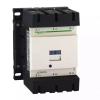
A contactor does something very similar to a relay, but under much tougher electrical conditions. Instead of switching small control signals, contactors are usually responsible for handling equipment that consumes substantial current- motors, industrial pumps, compressors, large ventilation systems, production machinery, and heavy lighting loads. This changes the design completely.
When large electrical loads switch on and off, heat and electrical arcing become serious concerns. So contactors are built with larger contacts, stronger springs, arc suppression systems, and more rugged construction overall.
Walk into any factory control room and you will probably hear them before you notice them. The sharp clicking sound from motor panels? Very often, it is a contactor pulling in. Most motor starters also work alongside a Thermal Overload Relay, which disconnects the circuit if excessive current starts overheating the motor. Without that protection, motor damage can happen surprisingly fast.
Difference Between Relay and Contactor
Even though both devices perform switching operations, their construction, purpose, and operating conditions differ considerably. The contactor vs relay difference becomes very clear once you compare their internal design and real-world applications.
Load Capacity
Relays are meant for lighter electrical duties. You will usually see them in automation circuits, PLC outputs, appliances, timers, or signal control systems where current levels stay manageable.
Contactors are a different story altogether. They are built for equipment that draws serious current- industrial motors, compressors, and manufacturing machinery, for example. In practical projects, the electrical contactor vs relay decision almost always starts with one question: how much load needs to be switched safely and repeatedly?
Switching Mechanism
A relay uses electromagnetic force to operate contacts, but the switching process is usually lighter and faster because the load is relatively smaller.
Contactors are designed with stronger springs, heavier contacts, and arc control features. In reality, switching high current repeatedly generates electrical arcs, and contactors are specifically engineered to handle that safely. This is one major aspect in any comparison between relay and contactor discussion.
Open/Closed Contact Standards
Most relays are available in normally open and normally closed configurations. This flexibility helps in logic control and automation applications.
Contactors typically use normally open power contacts because industrial equipment usually stays disconnected until activated. Auxiliary contacts may be added separately for control logic. When people study the difference between relay and contactor, contact arrangement standards often surprise them because the operational intent is completely different.
Size and Construction
Relays are smaller, lighter, and suitable for compact electronic systems. PCB mounting is common, especially in appliances and automation boards.
Contactors are physically larger because they must withstand heat, vibration, arc generation, and heavy switching loads. The construction is much more rugged. A practical contactor vs relay difference can often be noticed just by looking at the physical size inside an electrical panel.
Electrical Noise
Small relays generally operate with very little sound. In many electronic systems, you may barely notice them switching unless you are standing very close.
Contactors, though, are noticeably louder. That clicking sound in industrial panels? Usually a contactor pulling in. Some people actually use that sound during troubleshooting because it quickly confirms whether the coil is energising properly. Discussions around contactors and relays often touch on this, especially in offices, hospitals, or residential setups where quieter operation matters.
Lifespan and Durability
Relay lifespan depends on switching frequency and load type. Light-duty applications can allow relays to last for years without issues.
Contactors are designed for far more demanding environments. Frequent motor starts, industrial duty cycles, and heavy inductive loads require durable contact systems. In high-load environments, the electrical contactor vs relay choice directly affects maintenance frequency and long-term reliability.
Not every difference appears on paper immediately. Some only become obvious after equipment has been operating for months in real industrial conditions. Still, a direct comparison makes the selection process easier.
| Feature | Relay | Contactor |
|---|---|---|
| Main Function | Control switching | Heavy-load power switching |
| Load Capacity | Low to medium | High current applications |
| Common Use | Electronics and automation | Motors and industrial equipment |
| Size | Compact | Larger and rugged |
| Arc Suppression | Minimal | Advanced arc control |
| Switching Frequency | Moderate | High-duty industrial operation |
| Noise Level | Usually quieter | Audible mechanical sound |
| Contact Arrangement | NO and NC contacts | Mostly NO power contacts |
| Durability | Light-duty performance | Heavy-duty performance |
| Protection Integration | Limited | Often paired with motor protection |
Applications of Relays
Relays quietly handle thousands of switching operations behind the scenes every single day. Most people never notice them, yet modern automation and electronic control systems would feel incomplete without them.
Home Appliances
Washing machines, microwave ovens, refrigerators, and air conditioners all use relays internally. These devices help switch motors, heaters, and compressors without requiring direct manual operation.
For example, when a thermostat detects temperature change, a relay can activate the compressor automatically. This kind of low-power switching is where relays perform efficiently. In practical appliance engineering, contactors and relays are selected based on the expected electrical load and operating cycle.
PLC and Automation Systems
Modern automation systems rely heavily on relays because they make circuit control flexible and safe. PLC outputs, timers, sensors, alarms, and actuators often communicate through relay-based switching.
For example, a temperature sensor may trigger a relay, which then activates a cooling fan or warning signal. Simple process. But extremely effective.
What makes relays valuable here is isolation. Sensitive control electronics stay protected from larger external voltages that could otherwise damage the system.
Automotive Electrical Systems
Cars contain dozens of relays controlling headlights, horns, fuel pumps, cooling fans, and ignition systems. Instead of routing heavy current directly through switches, relays manage the switching operation safely.
This design reduces wiring stress and improves electrical reliability. It also allows smaller dashboard switches to control larger electrical loads without overheating.
Protection and Alarm Circuits
Relays are commonly used in protection systems, fire alarms, emergency shutdown circuits, and security systems. They respond quickly to electrical signals and trigger necessary actions immediately.
For example, a fault detection circuit may energise a relay that disconnects power or activates an alarm. These systems rely heavily on dependable signal switching rather than high-load operation.
Communication and Signal Isolation
In industrial electronics, relays help separate control circuits from power circuits. This isolation prevents sensitive electronic components from exposure to high voltages.
Signal isolation is especially important in automation panels, testing equipment, and instrumentation systems. Engineers often choose relays because they provide reliable switching while maintaining electrical separation between circuits.
Applications of Contactors
Contactors are everywhere in industrial electrical infrastructure, even if people outside the industry rarely notice them. Factories, HVAC plants, water treatment facilities, and large commercial buildings all rely heavily on contactor-based switching.
Motor Control Systems
Electric motors are probably the most common application for contactors. Pumps, conveyors, compressors, cranes, and industrial fans all use contactors for controlled operation.
Motor circuits also frequently include a Thermal Overload Relay to prevent overheating during overload conditions. This combination protects expensive equipment while allowing safe automated operation.
HVAC Equipment
Large HVAC systems use contactors constantly, especially for compressors and heavy fan motors. In malls, office buildings, hotels, and industrial plants, these systems switch repeatedly throughout the day.
Think about how often central cooling starts and stops during summer. The repeated cycling generates wear over time, which is exactly why contactors are built with durable contacts and strong switching mechanisms. A smaller relay simply would not survive those operating conditions for very long.
Industrial Lighting Systems
Large lighting installations in factories, stadiums, warehouses, and commercial buildings often use contactors for centralised switching.
Instead of individual manual switches, entire lighting groups can operate automatically through timers, control panels, or building management systems. This improves both efficiency and operational convenience.
Renewable Energy Installations
Renewable energy projects also rely heavily on contactors for switching and isolation functions. Solar plants, battery storage systems, and wind installations all involve changing load conditions that require dependable switching.
These sites are not always gentle environments either. Heat, dust, outdoor exposure, fluctuating electrical demand- the equipment has to tolerate all of it. This is one reason engineers spend time evaluating the comparison between relay and contactor carefully during infrastructure planning.
Industrial Machinery
Heavy industrial machines rely on contactors for safe startup and shutdown operations. CNC machines, hydraulic systems, processing equipment, and manufacturing lines all use them.
Frequent operation under heavy loads creates electrical stress, so durability matters enormously. In reality, choosing the wrong switching device here can increase maintenance costs and equipment downtime significantly.
When to Use Which
This is where theory meets practical decision-making. Choosing the wrong device may not fail immediately, but over time it can create overheating issues, unreliable switching, or unnecessary maintenance problems.
Use a Relay for Low-Power Control
If the application involves signal switching, automation logic, timers, or control circuits, a relay is usually the better option.
Relays work efficiently in compact systems where electrical loads remain relatively small. Control panels, automation boards, and electronic devices often depend on relay-based operation because space and precision matter more than heavy-duty switching.
Use a Contactor for Heavy Electrical Loads
Once motors, compressors, or industrial heating systems enter the picture, contactors usually become the safer option.
Heavy electrical loads create stress during every switching cycle. Current surges. Heat buildup. Electrical arcs. Over time, those conditions destroy lighter switching devices surprisingly quickly. This is why factories rarely take chances here.
The practical contactor vs relay difference becomes obvious in industrial environments where switching happens repeatedly throughout the day under demanding operating conditions.
Conclusion
Relays and contactors may look similar sitting inside an electrical panel, but electrically speaking, they live very different lives. Relays are better suited for control logic, automation tasks, signal isolation, and lower-power switching. Contactors are built for the rougher side of electrical work- motors, compressors, industrial machinery, HVAC systems, and continuous heavy-load operation.
For dependable switching solutions, motor control equipment, and industrial electrical components, many professionals prefer exploring the range available through Schneider Electric eShop.
FAQs
Q1. Can a contactor be used instead of a relay?
Ans. Yes, but it is not always practical. Contactors are larger and designed for heavy-duty switching. Using them in small electronic applications may increase cost and space unnecessarily.
Q2. Why do contactors create more sound during operation?
Ans. Contactors contain larger electromagnetic mechanisms and stronger contacts designed for industrial loads. That mechanical movement produces an audible clicking sound during switching.
Q3. Are relays suitable for continuous operation?
Ans. Many relays can operate continuously if they remain within rated voltage and current limits. However, high-load continuous operation is generally better suited for contactors.
Q4. What causes contact wear in switching devices?
Ans. Electrical arcing during opening and closing operations gradually damages contacts. Higher current loads usually create greater wear over time.
Q5. How do electricians choose the correct switching device?
Ans. They evaluate voltage rating, current capacity, switching frequency, operating environment, safety requirements, and expected equipment lifespan before selecting a device.
Comments