






What is Pressure Switch: Types, Working Principle & How its Works
We rarely think of how devices and appliances we use everyday work. Take, for instance, pressure switches - a vast majority of us have no idea what these are. Yet you would be surprised at how integral pressure switches are in manufacturing units and even household equipment. Pressure switches are devices that are activated when fluid or air in an appliance reaches a certain threshold or upper limit. When such an incident occurs, pressure switches are triggered to control the pressure and reduce damage to the equipment. For instance, the manufacturing of many items requires the air pressure in the container to be at a certain standard level. Any fluctuation in the air pressure can lead to damage to the product. It is here that air pressure switches come in and turn off the air compressors when the desired pressure level is achieved. Similarly, when air or fluid pressure is reduced, then the air compressors are automatically turned on with the aid of pressure switches.
Table of Contents
• What Is The Use of a Pressure Switch
• Pressure Switch Working Principle
• How Does a Pressure Switch Work
• Pressure Switch Selection Criteria
• Determining The Quality of Pressure Switches.
• Aspects To Consider When Investing In A Power Switch
• Invest in High Quality and Reliable Pressure Switches by Schneider Electric
What is a Pressure Switch
A pressure switch is a control device that reacts to changes in pressure within a system. Many readers ask what is pressure switch, and the answer stays simple. It opens or closes an electrical circuit when a set pressure point is reached. This action helps protect equipment from unsafe pressure levels. The switch works with air, gas, water, or oil systems. Its design supports both safety control and basic automation needs across industries.
Types of Pressure Switch
Different systems demand different pressure-sensing methods. Pressure switch types are selected based on accuracy, response time, and operating media. Some models work mechanically, while others rely on electronic signals. Selection also depends on the pressure range and the environment. Below are common categories used in industrial and commercial systems.
Mechanical Pressure Switch
This type uses internal springs and diaphragms to sense pressure changes. The movement triggers electrical contacts once pressure reaches a set limit. It suits rough environments and simple control tasks. The build remains sturdy and easy to maintain. Many users prefer it when the power supply remains limited. Its design explains how a pressure switch works without complex electronics involved.
Electronic Pressure Switch
An electronic pressure switch uses sensors and internal circuits to detect pressure levels. It gives faster response and better repeat readings. These switches often support alarms or control signals. They fit modern systems that need a stable output. Wiring needs care during setup. This version handles lower pressure changes with better control than mechanical models.
Digital Pressure Switch
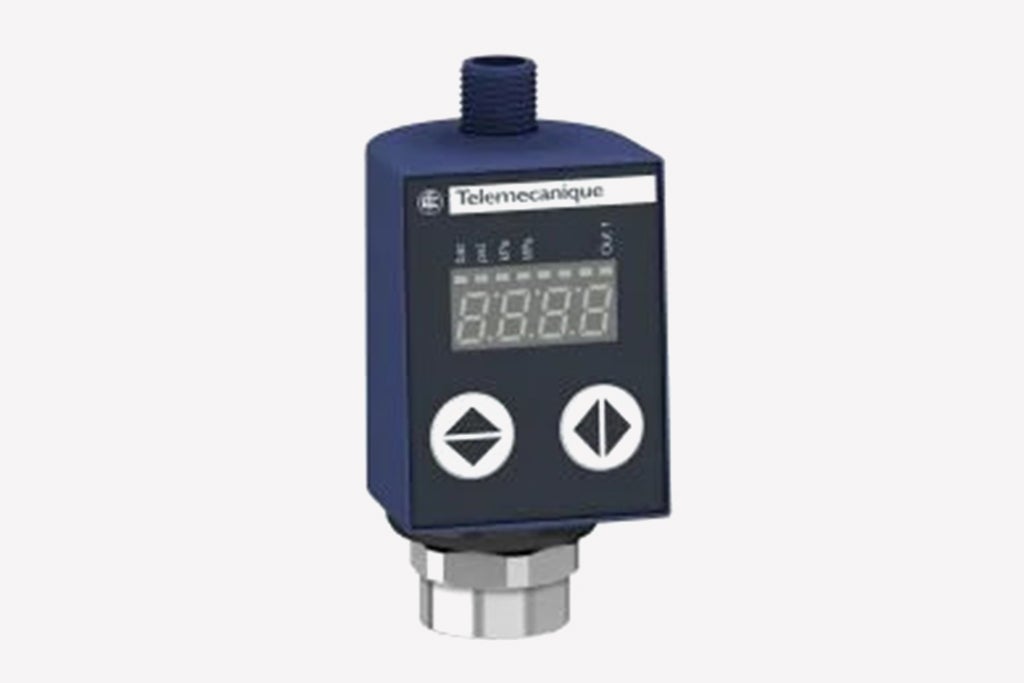
A digital pressure switch includes a display that shows live pressure values. Users can adjust limits using buttons. This type supports precise control and clear monitoring. It reduces setup confusion during maintenance. Many systems use it where accuracy matters. It also allows easier fault checks when pressure drops or rises outside limits.
Adjustable Pressure Switch
An adjustable pressure switch allows manual change of cut-in and cut-out points. This helps match system demand without replacing parts. Adjustment screws control the pressure range. It suits pumps and compressors. Care is needed during setup to avoid drift. This type supports flexible operation across varied working conditions.
What Is The Use of a Pressure Switch
Many operators question what is the use of a pressure switch in daily operations. It controls machines, protects pipelines, and avoids overload damage. Pressure switches keep systems running within safe limits. They support automation and energy control. Use depends on the system pressure type and the environment. Below are common usage areas across different industries.
Pump Control Systems
Pressure switches start and stop pumps based on line pressure. This avoids dry running and overload. Water supply systems rely on this control logic. The switch responds when pressure drops below a set level. It supports a steady flow. This method reduces manual control needs and limits damage risk in pumping setups.
Safety Protection Systems
Pressure switches shut down equipment during an unsafe pressure rise. This protects pipes, tanks, and workers. Relief systems often include them as backup. The switch acts before damage occurs. Many safety standards require this setup. This is a key application of a pressure switch in high-pressure environments.
HVAC and Air Systems
Air systems use pressure switches to check airflow and filter status. The switch ensures fans operate correctly. If pressure falls, the system stops. This avoids overheating. HVAC systems depend on accurate pressure feedback. Symbols on diagrams show the pressure switch symbol for easy system tracing.
Industrial Automation
Pressure switches send signals to control panels in automated lines. They help manage timing and machine response. Settings must match process limits. Correct pressure switch setting avoids false shutdowns. Automation systems rely on stable pressure signals to keep operations running smoothly without manual input.
Pressure Switch Working Principle
The working principle of a pressure switch explains how a pressure change controls an electrical action. Many readers ask what a pressure switch is and how it reacts inside a system. The principle depends on the pressure force acting on an internal element, which then opens or closes contacts. This method keeps systems safe and steady during pressure rise or drop.
Mechanical Force Response
Inside the switch, pressure enters through a port and pushes against a diaphragm or piston. This movement builds mechanical force until it reaches a set limit. At this point, contacts move. This is the base of the pressure switch working principle, where pressure energy converts into motion without delay.
Contact Change Mechanism
When force reaches the preset value, internal contacts snap from one state to another. This snap action avoids slow switching and contact damage. The design ensures repeat steps during pressure change. It also reduces spark risk and helps the long life of common industrial setups.
Pressure Threshold Control
Each switch works around fixed pressure limits. These limits decide when the circuit opens or closes. The setting depends on system needs. This step explains what is the use of a pressure switch in pumps, compressors, and fluid lines where steady pressure matters more than speed.
Reset Action Process
After pressure returns to a safe range, the switch resets either automatically or by hand. This reset avoids false trips. It helps stabilize system flow. The reset gap between cut-in and cut-out protects the device from frequent cycling during pressure fluctuation.
How Does A Pressure Switch Work
This section explains how pressure switches work in real operation, not theory only. A switch stays passive until pressure reaches its trigger value. Once activated, it controls machines or alarms. The design suits both fluid and gas systems. It is simple, strong, and easy to monitor during daily use.
Pressure Detection Stage
Pressure enters the sensing port and presses on the internal element. This element may be metal or elastic. The force grows with the rise. When the set value is reached, motion begins. This stage decides response speed and stability during sudden pressure change.
Electrical Switching Action
Mechanical motion shifts the internal electrical contacts. This change either completes or breaks a circuit. The action allows power flow or stops it. This method suits control panels and motors. It also supports safe isolation when pressure exceeds the allowed range.
Symbol and Circuit Meaning
In drawings, the pressure switch symbol shows the contact state and pressure direction. It helps technicians read control logic fast. Symbols reduce wiring errors. They also explain whether the switch opens or closes on pressure rise or fall in the system.
Functional Switch Categories
There are many pressure switch types based on sensing method and output. Some use bellows, others use a diaphragm. Some work with low pressure, others with heavy loads. Choosing the type depends on medium, temperature, and pressure range in use.
Pressure Switch Selection Criteria
Choosing the right switch avoids system failure and repair costs. Selection depends on range, accuracy, and output type. Many users ask about the pressure switch price, but the cost should follow the function. The wrong choice causes false trips or slow response. A clear checklist helps ensure safe and stable operation.
Pressure Range and Setting
Always check the working pressure range before purchase. The pressure switch setting must match system limits. Too low causes nuisance trips. Too high risks of damage. Adjustable models allow fine control during installation. Fixed models suit stable systems with known limits.
Adjustable and Digital Options
An adjustable pressure switch allows manual tuning using a screw or knob. This suits variable loads. A digital pressure switch offers a screen display and better repeat accuracy. Digital units help during testing and fault-finding, but need a clean power supply.
Testing and Maintenance
Knowing how to test a pressure switch saves downtime. Testing involves applying pressure slowly and checking the contact change. Use a gauge for reference. Regular checks avoid drift. Clean ports prevent false readings caused by dirt or fluid blockage.
Application-Based Choice
Each application of a pressure switch decides the material and output needed. Liquid systems need corrosion-safe parts. Gas systems need leak control. An electronic pressure switch fits fast-response tasks where mechanical wear must stay low over long cycles.
Also Read: Ultrasonic Sensors and Their Uses
Determining The Quality of Pressure Switches.
Before purchasing a power switch, make sure you have clarity regarding the following:
1. Application Pressure - Make a note of the standard pressure and maximum pressure of your application. It is this pressure that will be managed by the power switch. It’s also important to make sure the right pressure switch is used; else it can damage your appliance. So it’s best to choose a switch that can manage not just standard pressures but also sudden spikes in pressure. You can invest in a range of switches for this purpose. Such switches are usually classified as low-pressure switches.
2. Setpoints - You can choose a mechanical, electronic, or digital pressure switch. Irrespective of which you choose, make sure the set points of the application can be achieved by the switch. These set points need to be controlled accurately. Hence, it’s important to consider the set point limits before investing in a pressure switch.
3. Application Compatibility - Your application and the pressure switch must be compatible. From the wetted material, diaphragms, and pistons to process fittings, all aspects must be compatible. If incompatibility occurs, then it can lead to safety concerns, corrosion, and other issues that will impede the performance of the application and pressure switches.
Aspects To Consider When Investing In A Power Switch
Several aspects determine the quality of a power switch. These include understanding the material used, set point requirements, and application pressures that the pressure switch will handle. Setpoint is specifically a very important attribute to consider. The power switch will need to consistently regulate the pressure accordingly. A durable and high-quality power switch will achieve this consistently as opposed to a low-quality power switch. Another factor to consider is whether you want to invest in an electronic or a basic switch. The major benefit of an electronic switch is it offers high accuracy levels, whereas basic switches cannot offer the same level of accuracy.
It’s advisable to understand the pressure specifications of the application before investing in a pressure switch. Since it is the application’s designated threshold that will determine the wear and tear experienced by the pressure switch. While most pressure switches are durable and perform well over long periods, they often need recalibration to continue to perform efficiently.
Invest in High Quality and Reliable Pressure Switches by Schneider Electric
What you must now be concerned about is investing in a high-quality pressure switch that offers optimum performance and durability. Schneider Electric has you covered.
The renowned brand develops a range of electronic appliances and accessories. One such device manufactured by this industry leader is pressure switches. Schneider Electric manufactures low-pressure switches, high-pressure switches, and digital pressure switches that meet all your needs. These pressure switches undergo multiple quality checks and tests to ensure they are well equipped to manage and control pressure. So when looking for quality pressure switches, look no further than Schneider Electric.
FAQ
Q1. What is the difference between a pressure switch and a pressure sensor?
Ans. A pressure switch works as a control device. It opens or closes an electrical contact when a set pressure point is reached. A pressure sensor, on the other hand, measures pressure and sends a continuous signal. That signal is often used for display or data logging. A switch reacts at a fixed point. A sensor keeps reading at all times. This makes a switch suitable for safety or control tasks, while sensors fit monitoring systems.
Q2. What is the pressure range of a typical pressure switch?
Ans. The pressure range depends on the design and usage. Some switches operate at very low pressure for air systems. Others handle high pressure in hydraulic lines. The working range is always defined by the internal spring and diaphragm strength. When checking a pressure switch price, the pressure range is a main factor. Higher ranges usually increase cost. Selecting a correct range helps avoid early failure and false trips during operation.
Q3. Is a pressure switch adjustable?
Ans. Yes, many switches are adjustable. These designs allow users to change the cut-in or cut-out points. This feature helps when the system needs to change over time or when fine-tuning is required. An adjustable pressure switch usually has a screw or knob. Turning it changes the spring tension inside the unit. Adjustment should be done slowly, with pressure applied, to avoid setting errors or unstable switching.
Q4. What Are The Key Elements Of Pressure Switches?
Ans. Pressure switches share basic internal parts that support accurate switching. Each part has a clear role in operation.
• Sensing element, like a diaphragm or a piston
• Switching mechanism with electrical contacts
• Adjustment spring for set point control
• Housing that protects internal parts
These elements define different pressure switch types and their suitability for air, fluid, or gas systems.
Q5. What Are The Part Of Pressure Switch
Ans. Each unit contains both mechanical and electrical parts. These parts work together to convert pressure into an electrical response.
• Pressure inlet port
• Diaphragm or piston assembly
• Contact terminals
• Adjustment screw
• Protective casing
In wiring diagrams, a pressure switch symbol is used to show how it connects within a circuit. This helps technicians during installation and service work.
Q6. How To Adjust A Pressure Switch
Ans. Adjustment should be done with care and proper tools. The system must be active so pressure changes can be observed.
• Disconnect power before opening the cover
• Turn the adjustment screw in small steps
• Monitor system pressure during changes
Q7. Lock the setting after reaching the target point
Ans. Correct pressure switch setting helps maintain stable system operation and prevents frequent on-off cycling.
Q8. How do I maintain a pressure switch?
Ans. Regular maintenance keeps the switch reliable. Visual inspection is often enough in most systems. Dust, moisture, and vibration should be checked during routine service. An electronic pressure switch needs a clean power supply and secure wiring. Loose terminals can cause false signals. Proper care extends service life and reduces sudden failure risks in control systems.

Comments