


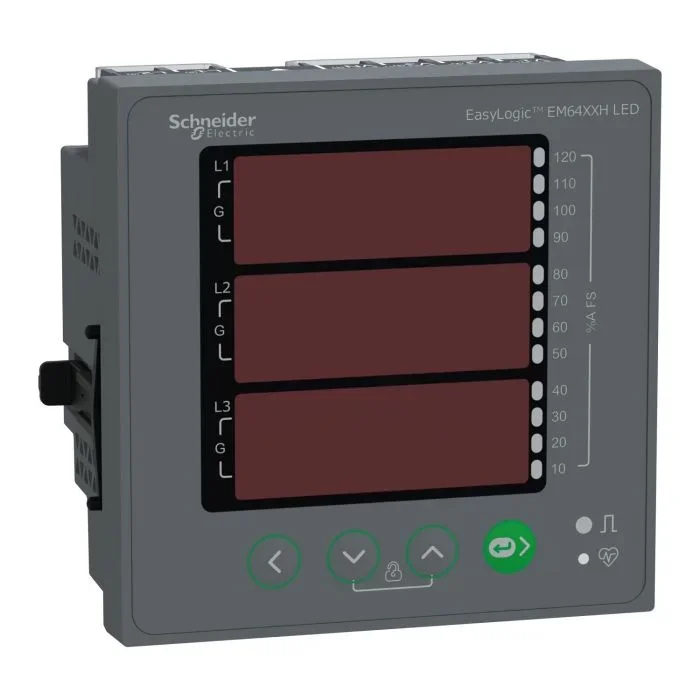
A Complete Guide to Smart Meter
Smart meters have been talked about quite a lot in recent years, especially when people are trying to make sense of their energy bills. But despite how common they are becoming, many people still ask the same basic question- what is a smart meter?
It’s not surprising. Technology moves fast. Homes that once used the same old energy meters for decades are now being fitted with these “smart” devices that claim to make life easier. But how do they really work? What are they even for? This guide will walk through it in simple terms, step-by-step.
What is a Smart Meter for Electricity?
To put it simply, a smart meter is a new type of meter. Instead of just ticking over quietly and needing someone to come and read it every few months, it does a bit more.
What is a smart meter for electricity? It’s there to measure how much power is being used in the home. But here’s the difference- it doesn’t keep that information locked away until someone checks it. Instead, it sends the readings directly to the energy supplier. No need for estimated bills. No need to climb into the cupboard with a torch.
How Smart Meter Works
Now, a lot of people ask how smart meter works. The answer isn’t complicated.
A smart meter keeps track of how much electricity flows through the house. It measures it, records it, and sends it off to the supplier using a secure network. Usually, there’s a small screen that comes with it- something that can be placed in the kitchen or living room. This shows how much electricity is being used at any moment. It might seem like a small thing, but it helps people become more aware of their energy habits.
1. Measures Energy Usage in Real-Time
A smart meter constantly measures the amount of electricity consumed in your home. It digitally tracks energy use every few seconds or minutes. This gives both consumers and energy providers precise and up-to-date consumption data.
2. Displays Usage on In-Home Monitor
Smart meters often come with an in-home display (IHD). It is a small screen you can place in your kitchen or living room. This shows how much electricity you’re using in real-time. It helps you spot wasteful habits and adjust usage to save energy and money.
3. Sends Data Automatically to Supplier
The smart meter sends your energy usage data securely to your electricity supplier through wireless or cellular networks. This means no more estimated bills or manual meter readings. Your supplier gets accurate, real-time data. So, you get billed only for what you use.
4. Helps Consumers Manage Energy Better
Smart meters empower people to make smarter choices. You become more energy-conscious and often cut down unnecessary usage when you see how turning on a heater or running a dishwasher affects your usage.
5. Enables Smarter Grids
Smart meters are a key part of building smarter energy grids. With accurate, real-time data from homes, utility companies can better manage electricity demand, reduce outages, and support the use of renewable energy sources like solar or wind more effectively.
So that’s the smart meter working process in a nutshell- measure, display, send. That’s really all there is to it.
Smart Meter for Home
Having a smart meter for home means being able to keep an eye on electricity use in real-time. It’s not about spying on anyone or controlling how people live- it’s just about giving people better information so they can make smarter choices.
Energy companies like them because it saves time and cuts down on mistakes. Customers like them because they get accurate bills and no surprises.
Smart Meter Electricity Usage
One of the biggest benefits of these meters is seeing smart meter electricity usage clearly. The display unit shows how much energy is being used right now. Some people are shocked when they first see how quickly the numbers go up when the kettle’s on, while others notice how much the oven eats up compared to the TV.
This helps people build better habits. It’s easier to make small changes when the results are right there on the screen. Below are some common uses of smart meters.
1. Real-Time Energy Tracking
Smart meters allow you to see exactly how much electricity you’re using at any given moment. The in-home display shows real-time data. So, you can observe spikes when you switch on appliances like the kettle or microwave. This immediate feedback creates better awareness of your daily habits.
2. Understand Appliance Consumption
You can compare how much energy different appliances use. You might be surprised to learn your oven uses much more electricity than your television. This visibility helps you prioritize energy-saving efforts based on what actually consumes the most power.
3. Encourages Energy-Efficient Habits
Small changes affect your electricity usage and motivate better habits. You may start turning off unused lights, unplugging devices, or using energy-saving modes more often. The visual feedback on the smart meter display makes it easier to stick with these habits long term.
4. Track Daily and Weekly Usage Patterns
Some smart meters let you review daily, weekly, or monthly energy usage. You can shift heavy appliance use to off-peak hours. It helps lower your bills and ease pressure on the grid. It’s a smart way to plan consumption.
5. Support for Budgeting and Bill Control
Understanding how electricity is used gives you more control over your energy spending. With clearer usage patterns, you’re less likely to be surprised by high bills. It’s especially helpful for households trying to stick to a monthly budget or reduce energy waste.
Advantages and Disadvantages of Smart Meters
For anyone comparing, here’s a simple breakdown of the advantages and disadvantages of smart meters:
|
Advantages |
Disadvantages |
|
Accurate billing |
Might not work everywhere |
|
Real-time tracking |
Some privacy concerns |
|
No manual readings needed |
Potential future costs |
|
Supports greener energy use |
Compatibility can vary |
|
Encourages energy savings |
Tech may need updates |
Smart Meters Advantages
It’s worth looking at the smart meters advantages clearly:
-
Bills match actual usage, not guesses- Smart meters ensure your electricity bills reflect your actual usage and not estimates. This eliminates the guesswork and prevents under- or over-charging. It helps households plan and manage their finances more confidently.
-
People can see exactly how much power they’re using- Users can monitor their electricity usage as it happens. Immediate changes when appliances are turned on or off helps people understand energy consumption and identify ways to use power more efficiently.
-
There’s no need for meter readings anymore- There’s no need to submit readings or wait for someone to come check the meter. The data is automatically sent to your supplier. This makes the process seamless and error-free.
-
Helps suppliers manage energy supply better- Smart meters send real-time data to energy providers. This allows them to forecast demand more accurately. It helps maintain a more stable grid and supports integration of renewable energy sources like solar and wind.
-
Often leads to savings when people adjust habits- When people can see how much energy they’re using and how quickly it adds up, they often change their habits. Small adjustments, like unplugging devices or using less heating, can lead to noticeable savings over time.
All these points help explain why energy companies are pushing smart meters as the future.
Smart Meters Disadvantages
Unfortunately, not everything about smart meters is perfect. There are smart meters disadvantages to think about too.
-
Sometimes the connection doesn’t work well in some areas- Smart meters rely on mobile or radio networks to send data. Poor signal strength can affect communication in remote and densely built- up areas. This leads to delays or failures in sending meter readings.
-
Some people feel uneasy about sharing their data- Some users worry about how their energy usage data is collected, stored, and used. Although strict security measures are in place, the idea of constant monitoring can feel invasive to those concerned about personal privacy.
-
The cost of rolling out smart meters could affect prices in the long run- The nationwide rollout of smart meters requires significant investment. Consumers don’t usually pay directly. However, the long-term costs might be reflected in future energy prices or service charges.
-
Switching suppliers might cause old meters to lose some smart features- In some cases, switching to a new energy provider can cause older smart meters to lose their “smart” functionality. This means the meter might revert to manual mode until reconfigured or replaced.
-
Older meters may need replacing sooner than expected- First-generation smart meters may not be compatible with all networks or future technologies. These older meters might need replacing sooner than expected. This creates inconvenience for users.
Smart Meter Installation
The process of smart meter installation is usually easy enough. An appointment is made with the energy supplier. A trained technician visits, removes the old meter, and installs the new one. It takes about an hour or two. Power might go off briefly during this. Below are the steps followed for smart meter installation.
1. Booking the Installation Appointment
The first step is scheduling an appointment with your energy supplier. Most companies offer flexible time slots, including weekends or evenings. You will be notified in advance. It’s important that someone is home to give the technician access to your existing meter.
2. Replacing the Old Meter
A certified technician arrives to remove your traditional meter and install the smart meter. This typically takes one to two hours. It depends on accessibility and setup. During this process, your electricity will be temporarily switched off for safety reasons. It is usually for about 30 to 45 minutes.
3. Installing the In-Home Display (IHD)
A small digital screen called an In-Home Display (IHD) is provided alongside the meter. This is set up in a visible area like your kitchen or living room and shows your real-time electricity usage. It makes it easy to monitor and adjust your energy habits.
4. Automatic Functionality
The smart meter works on its own when installed. It starts recording and transmitting data to your energy supplier using a secure wireless network. You don’t need to submit readings manually as everything happens in the background with no additional effort required.
5. Post-Installation Support
The technician will give a brief demo of how to use the display and understand the readings. Most suppliers also offer guides or customer support if you have questions later. The system starts helping you track energy use from day one.
Smart Energy Meter in Everyday Life
A smart energy meter fits into everyday life without much trouble. It just works quietly in the background, keeping track and sending updates. The display helps people keep tabs on usage. Some people enjoy checking it to see how small changes affect their bills.
These meters also help energy companies plan better. Knowing when homes use the most power helps balance supply and avoid waste. It’s part of a bigger move towards smarter, greener energy management.
Future of Smart Meters
The future of smart meters looks promising as technology continues to evolve. These devices are no longer just tools for reading electricity consumption. They are becoming intelligent hubs for energy management.
Smarter Insights for Users
Next-generation smart meters will go beyond just displaying units used. They will offer real-time energy insights and detect energy-hungry appliances. The devices will even suggest ways to cut down bills. With AI integration, they might even automate energy-saving actions.
Integration with Smart Homes
As homes become smarter, so will energy systems. Smart meters will integrate with home automation devices like thermostats, EV chargers, solar panels. This will enable complete control over how and when energy is used, especially during peak and off-peak hours.
Supporting Renewable Energy
Smart meters are crucial for managing decentralized energy sources. As solar rooftops and wind microgrids become common, meters will track two-way energy flows, both consumed and produced, making net metering seamless and efficient.
Enhancing National Grid Stability
For utility companies, smart meters provide real-time data, which improves load balancing and reduces blackouts. Accurate forecasting based on usage patterns helps integrate renewables smoothly into the grid.
Data Security & Privacy
With more data being collected, the future will also focus on cybersecurity. Improved encryption and privacy protocols will ensure user data stays protected while still being useful for smarter energy decisions.
Also Read: Exploring Energy Meters: Types & Working Principles
Conclusion
So, to sum it up: smart meters are here to stay. They offer clear benefits for both customers and energy suppliers. Knowing what is a smart meter, how smart meter works, and the advantages and disadvantages of smart meters makes it easier to understand why so many homes are getting them.
Tracking smart meter electricity usage helps people make smarter choices about energy. A smart meter for home helps avoid surprise bills and can encourage better habits.
While there are some smart meters disadvantages, the benefits usually outweigh them. Whether it’s saving money or supporting greener energy, these devices are part of the future of how homes use electricity.
FAQ's
Q1. Can smart meters help detect faulty appliances?
Ans: Yes, sudden spikes in energy usage shown on your display can hint at inefficient or faulty appliances, allowing homeowners to identify and replace them before larger issues arise.
Q2. Do smart meters work during power outages?
Ans: Smart meters stop recording during a power outage, but they automatically resume once power is restored. Some advanced models also log the time and duration of outages for reference.
Q3. Can smart meters be used with solar panels?
Ans: Yes, most modern smart meters can track both imported and exported electricity, making them compatible with solar setups and helping users monitor how much energy they're sending back to the grid.
Comments