



What is an RCBO? Working Principle and How it Works
Most people don’t spend much time thinking about what’s behind the walls of their homes. Out of sight, out of mind, right? Until something trips, and suddenly there’s no power in the kitchen or the lights upstairs go off. That’s when people start paying attention. Usually, it leads you to the fuse box and trying to figure out which switch flipped and why. That’s where RCBOs quietly come into the picture.
But what is an RCBO? Not everyone knows. That’s fair- it’s not exactly a common conversation topic at the dinner table. Still, it’s worth understanding because these devices play an important role in keeping homes safe.
What Does RCBO Stand For?
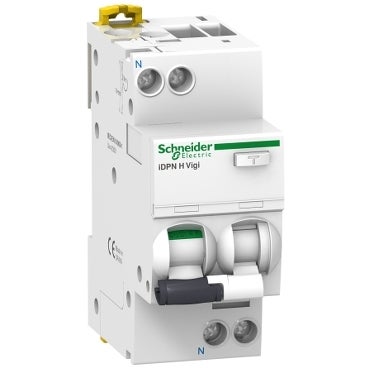
RCBO full form is Residual Current Breaker with Overcurrent. Sounds technical, but really, it just tells you what the device does. It protects against two problems: electrical current leaking somewhere it shouldn’t, and circuits carrying too much current. Both are risks.
An RCBO Circuit Breaker handles both problems in one handy device. Instead of having separate pieces of equipment, this one little box does it all.
What Does an RCBO Do?
The short answer is: it keeps people safe. Electricity is useful, but it can also be dangerous. RCBOs help stop electric shocks and prevent fires. That’s really the whole point. Below is a detailed explanation of this.
1. Protects Against Electric Shocks
RCBOs are designed to detect residual current. These are tiny amounts of electricity that leak from the circuit. This leakage can happen when someone touches a live wire. The RCBO immediately disconnects the power. This minimizes the risk of electric shock and potentially saving lives in both homes and workplaces.
2. Prevents Electrical Fires
When electricity escapes through damaged wiring or faulty appliances, it can cause heat build-up and fire. RCBOs sense these irregularities early. They prevent overheating and reduce the chances of electrical fires by tripping the circuit.
3. Detects Overloads
The load can exceed the safe capacity when you plug in too many devices on a single circuit. RCBOs monitor the amount of current flowing through and trip when it surpasses safe limits. This helps prevent overheating of wires and damage to appliances connected to the circuit.
4. Responds to Short Circuits
A short circuit occurs when electricity takes an unintended path, often due to damaged insulation or faulty components. This can result in dangerously high current. RCBOs instantly recognize this surge and disconnect the power supply. This protects both the circuit and connected devices.
5. Combines Two Safety Functions
An RCBO combines both residual current protection and overcurrent protection in one device. This dual-function design makes it ideal for modern installations. It offers comprehensive safety in a single, compact unit for individual circuit protection.
How Does an RCBO Work?
If you’re wondering how does a RCBO work, the best way to explain it is this: it constantly checks the flow of electricity in a circuit. It looks at what’s going out and what’s coming back. If there’s a mismatch, something’s leaking. That’s not good, so it trips the circuit. Below is a detailed explanation of how it works.
1. Monitors Current Flow Continuously
An RCBO is always monitoring the electrical flow in a circuit. It compares the current going out through the live wire with the current returning through the neutral wire. If the two aren’t equal, something is wrong. It is usually a leakage. In such cases, the RCBO immediately reacts to cut the power.
2. Detects Earth Leakage
When electricity escapes the circuit and flows to the ground, like through a person or damaged wire, that’s earth leakage. RCBOs sense even small leakages (usually as low as 30mA) and trip the circuit instantly. This prevents dangerous electric shocks and minimizes risks of injury or electrocution.
3. Responds to Overcurrent Conditions
Wires can overheat and potentially catch fire if a circuit draws more current than it’s designed to handle. RCBOs are equipped to detect overcurrent which is caused by overloads or short circuits. They also interrupt the circuit before damage occurs. It works similarly to an MCB in this role.
4. Combines RCD and MCB Functions
The RCBO combines two key protection mechanisms: residual current detection (like an RCD) and overcurrent detection (like an MCB). This dual protection means it safeguards both people and electrical systems. It offers complete protection without the need for separate devices in a distribution board.
Where Are RCBOs Used?
RCBOs aren’t just for houses, though that’s where most people encounter them. They’re used in shops, offices, schools, and factories too. Below are some of the most common uses of these devices.
1. Homes and Residential Buildings
In modern homes, RCBOs are used to protect individual circuits like kitchen sockets, lighting, and heavy appliances. This setup ensures that if a fault occurs in one area, like the washing machine, it won’t trip the whole house, keeping other circuits, like lighting or fridge power, running safely.
2. Commercial Spaces and Offices
RCBOs are commonly installed in shops, offices, and retail outlets to protect sensitive electronic equipment, lighting, and HVAC systems. These environments demand uninterrupted operation. RCBOs help isolate faults quickly and prevent damage while ensuring the rest of the building remains functional.
3. Educational Institutions
Schools, colleges, and training centers use RCBOs to protect students and staff from electrical accidents. RCBOs provide individual circuit protection, reducing risks in high-traffic and high-use areas.
4. Industrial and Manufacturing Units
IRCBOs are essential for protecting machinery and personnel in industrial settings. These environments involve high-powered equipment. This poses greater risk during faults. RCBOs ensure that specific machines or zones can be isolated without affecting entire production lines.
5. Public and Shared Spaces
Places like hospitals, airports, malls, and libraries install RCBOs to comply with safety regulations and minimize hazards. They provide targeted protection for areas like escalators, lighting zones, kiosks, or data centers. This improves safety and operational reliability.
Types of RCBO
Not all RCBOs are exactly the same. There are a few types, depending on what they need to detect.
Type AC RCBO:
Type AC RCBOs are the most commonly used devices in residential settings. They detect and interrupt standard alternating current (AC) earth leakage faults. AC RCBOs are suitable for basic household appliances like lights, fans, or heaters. They provide essential protection against electric shock and fire due to insulation failures or accidental contact.
Type A RCBO:
Type A RCBOs can detect both AC and pulsating direct currents (DC), making them ideal for homes with modern electronics. They offer enhanced protection for appliances such as computers, induction cooktops, and washing machines, which may produce DC leakage. This ensures safety in more complex residential electrical environments.
Type B RCBO:
Type B RCBOs offer the highest level of protection by detecting AC, pulsating DC, and smooth DC leakage currents, as well as high-frequency signals. They are commonly used in industrial and commercial settings with variable speed drives, electric vehicle chargers, or photovoltaic systems, ensuring protection in complex, sensitive installations.
Choosing the right one depends on the appliances and setup you’re working with. For most homes, Type AC or Type A will do.
How Do You Recognise an RCBO?
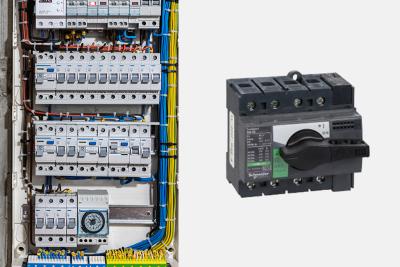
If you’ve ever looked in a fuse box and felt overwhelmed by all the switches, you’re not alone. RCBOs look a lot like other circuit breakers, but they usually have markings to show they protect against both overcurrent and leakage. On electrical drawings, the RCBO symbol shows this clearly- it’s a combination of two symbols in one.
How Much Do They Cost?
RCBO price in India vary depending on the type, brand, and rating. Basic Type AC RCBOs for home use typically range from ₹800 to ₹1,500. Type A models with DC detection can cost ₹1,500 to ₹3,000. Type B RCBOs used in industrial applications may go up to ₹5,000 or more. Brand reputation also influences the price- while budget options are available, investing in a trusted brand ensures better safety, durability, and performance. With electrical safety, it’s wise to prioritise quality over cost.
Schneider RCBO
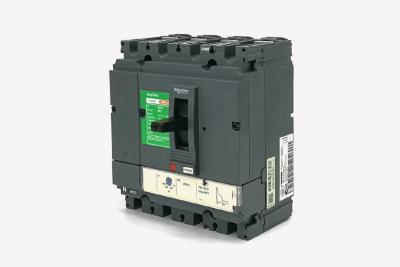
One brand people trust is Schneider Electric. Schneider RCBO devices are known for being reliable and well-made. Electricians often recommend them because they meet strict safety standards and are less likely to fail.
When it comes to safety, no brand can compete with Schneider RCBO. Also, you can easily purchase them from Schneider Electric’s eShop, saving you time and money.
Why Have RCBOs Become Standard?
Homes today use more gadgets than ever. TVs, chargers, washing machines, dishwashers, smart devices- the list goes on. More devices mean more opportunities for something to go wrong. RCBOs help make sure that if something does go wrong, it doesn’t turn into a disaster.
Key Points to Remember
-
RCBO full form: Residual Current Breaker with Overcurrent
-
What is an RCBO?: A device that prevents electric shocks and stops circuits from overloading
-
How does a RCBO work?: It monitors current and trips when something’s wrong
-
Function of RCBO: Keeps people safe from electric faults
-
RCBO working principle: Stops electricity when there’s leakage or overload
-
Types: AC, A, B depending on the setup
-
Schneider RCBO: Known for quality and reliability
Also Read: MCB (Miniature Circuit Breakers) Guide - Types, Sizes, and Uses
Final Thoughts
RCBOs aren’t flashy or exciting. Most people never think about them until there’s a trip and the lights go out. But they’re there, quietly doing their job, keeping homes and businesses safer.
If you’re updating your home electrics, or just curious about how things work, it’s good to know about RCBOs. They’re one of those small details that make a big difference. Also, when looking forward to buying them, Schneider Electric’s eShop is your stop to purchase online from the convenience of your home without compromising on quality.
FAQ's
Q1. Can an RCBO be used as a main switch?
Ans: No, RCBOs typically protect individual circuits and are not designed to act as main switches. A separate main switch is needed to isolate power from the entire distribution board.
Q2. Do RCBOs require regular testing?
Ans: Yes, RCBOs should be tested monthly using the built-in test button. This ensures their functionality in detecting faults and prevents failure when real leakage or overcurrent conditions occur.
Q3. Can RCBOs be installed in old electrical panels?
Ans: Yes, but compatibility depends on panel size, wiring, and space. An electrician may need to modify the board or recommend updated units for safe and effective RCBO installation.

Comments