





What Is a Relay? Working, Types & Applications
It’s interesting how relays show up everywhere, yet most people never think twice about them. Someone might have used a washing machine, switched on a car headlight, or seen a building’s lights turn on automatically, all without realising a relay made the decision behind the scenes. When thinking about what is relay, the simple explanation is this: it’s a switch that electricity moves through for you. This alone captures most of the relay meaning people actually use in daily life.
The formal relay definition says it’s an electrically operated switch. But in practice, it’s more like a small signal pushing around a bigger one. The electrical relay definition doesn’t change much across systems, because its purpose has always been the same- control, isolation, and safe switching. The use of relay appears in hundreds of places.
Read this comprehensive guide to learn all about relays, their working principle, types, and applications.
Construction of a Relay
Relays look simple, but inside they are a small team of parts working together- a coil, a magnetic core, a metal arm that moves, springs, contacts, and insulation. Nothing fancy, but the way it all synchronises feels almost clever.
Coil and Magnetic Core
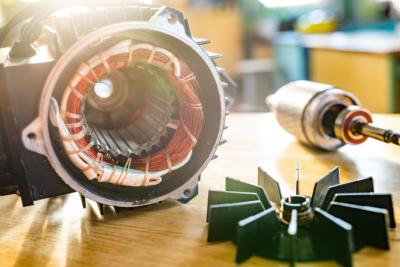
Inside the relay, the coil is just copper wire wrapped tightly around a metal core. When electricity enters the coil, the core suddenly becomes magnetic. This pull is what starts the whole switching dance. It doesn’t look like much, but this coil-and-core pair is basically the engine. Without it, nothing else in the relay would even react or move at all.
Armature and Spring Assembly
There’s a slim metal arm called the armature, and it’s always ready to move the moment magnetism appears. When the coil energises, the armature jumps toward the magnetic core. As soon as power disappears, a spring pushes it back to where it started. This tiny movement makes the relay’s contacts change state- forward for “on,” back for “off.”
Contacts and Switching Pads
Contacts inside the relay are small metal pads that touch or separate depending on how the armature moves. These pads actually handle the electrical load. How they’re arranged- SPST, DPDT, and so on- decides how the relay connection behaves. Even though they are small, they carry the responsibility for the entire switch action.
Housing and Insulation Layers
Everything sits inside a protective casing so dust, moisture, and stray fingers don’t reach the moving parts. Inside, insulation keeps the coil circuit separate from the load circuit. This split is important because relays often link low-voltage controls to high-power loads. The insulation is like the quiet guard that keeps both sides safe from trouble.
Relay Working Principle
The relay working principle feels almost too simple when said out loud: electricity goes into the coil, the coil becomes magnetic, a metal piece moves, the contacts switch, and everything returns to normal when the magnetism stops. That’s it. No complications. And that cycle repeats over and over.
Energising the Coil
The moment current flows into the coil, the surrounding core turns magnetic. It happens quickly, almost instantly. This magnetic pull is strong enough to yank the armature forward. The movement, though tiny, triggers the entire switching action. Even a very small control signal can start this process, which is why relays connect low-power devices to high-power loads safely.
Armature Movement
As the coil pulls the armature in, the relay’s contacts shift position. Depending on the relay type, the circuit either closes or opens. It’s a tiny click, barely noticeable, but this is where the heavy load gets switched. The physical movement may look small, but electrically, it changes everything connected to the relay.
Returning to Normal
Once power stops flowing through the coil, the magnetism dies out. With nothing pulling it in, the armature returns to its resting position thanks to the spring. This reset happens automatically and prepares the relay for the next command. The quick snap-back feel is why relays are dependable cycle after cycle.
Keeping Circuits Apart
One part that gets overlooked is how well a relay isolates circuits. The coil side stays electrically separate from the contacts. This is why tiny sensors, switches, or microcontrollers can safely control motors, heaters, or heavy lighting loads. The relay sits in between like a safe divider that lets them “talk” without touching each other.
Types of Relay
Below are the different types of relays.
Electromagnetic Relay (EMR)
This is the familiar old-school relay. It is the one that makes the classic click. This relay uses a coil, armature, and moving contacts. EMRs can handle AC or DC loads and show up everywhere because they are simple, durable, and easy to replace. You will find them in appliances, machinery, vehicles, and control panels. They are basic but incredibly dependable.
Solid-State Relay (SSR)
SSRs don’t click because they have no moving parts. They use electronic components like triacs and transistors to switch loads. Fast, silent, and long-lasting, they’re great for applications requiring high-speed switching or no vibration. They cost more than mechanical relays but offer quieter, smoother performance in automation systems, temperature controls, and sensitive equipment.
Time Delay Relay
This relay doesn’t switch immediately. It waits for a set time before turning a circuit on or off. The delay helps avoid sudden power surges, lets machines start in sequence, and keeps equipment safer. They show up in HVAC systems, pump control panels, and industrial processes where timing isn’t just helpful. Instead, it’s essential.
Reed Relay
A reed relay contains small metal reeds inside a sealed glass tube. When magnetism appears, the reeds pull together and complete the circuit. They are fast, lightweight, and great for low-current signals. You will see them in test instruments, communication circuits, and places where quick response and tiny electrical loads are the priority.
Thermal Overload Relay
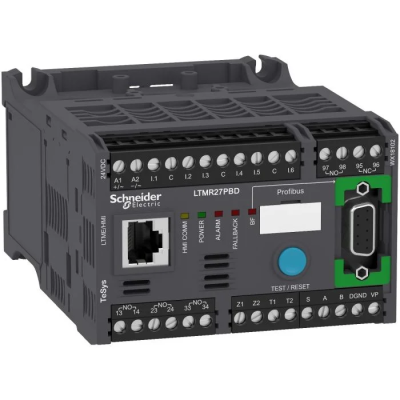
This type protects motors from overheating. It uses a bimetal strip that bends when too much current flows for too long. Once it bends far enough, it trips the motor off. It’s a simple but crucial protector found in starter panels, pumps, compressors, and industrial machines where motor safety matters.
Also Read: What is a thermal overload relay?
Applications of Relays
Relays are used widely across various industries. Some of the most crucial applications of relays are as follows.
Lighting and Building Automation
Relays make it possible to control lighting in large spaces without heavy wiring everywhere. A small switch or sensor can activate multiple lighting circuits through relays. This is common in buildings, hallways, street-light systems, event spaces, and even smart homes. Relays make the automation smoother and reduce the load on wall switches.
Industrial Machines and Automation
Factories rely heavily on relays for motors, conveyor belts, heaters, solenoids, and control valves. A small PLC signal can activate large loads safely thanks to isolated relay switching. They help avoid damage to sensitive electronics, making industrial automation more reliable and easier to maintain under harsh conditions.
Automotive Systems
Cars use relays everywhere, like fuel pumps, headlights, radiator fans, horns, wipers, and accessories. Relays protect the dashboard switches from heavy loads and keep wiring simple. As vehicles deal with vibration and heat, automotive relays are tough, reliable, and built to keep powering essential functions no matter the conditions.
Power System Protection
In power grids, protective relays constantly watch for faults such as overloads, earth faults, and phase problems. The moment something abnormal is detected, they send a trip signal to breakers. Without these relays, equipment damage and long outages would be far more common. They quietly safeguard transformers, feeders, and substations.
Also Read: Exploring Relay Modules: Definition, Key Functions, and Operating Principles
Conclusion
Relays might look small, but they sit at the center of many electrical systems. Understanding what is relay, how it behaves, the types of relay, and where they’re used makes it obvious why this old invention still runs modern machines. From tiny signal control to full motor protection with a Thermal Overload Relay, relays keep circuits safe, controlled, and predictable across industries. Explore the extensive range of relays and buy them online from Schneider Electric’s eShop.
Frequently Asked Questions
Q1. Can relays create electrical noise?
Ans. Mechanical relays can create small electrical spikes when their coils de-energise. This is why flyback diodes are often added to protect circuits.
Q2. Is it safe to touch a relay while it’s switching?
Ans. Touching the plastic shell is fine, but touching live terminals is dangerous. Even low-voltage relays often switch high-power loads.
Q3. Do relays work the same on AC and DC?
Ans. Some relays support both, but many coils are designed for a specific supply type. AC coils behave differently because of fluctuating frequency.

Comments