




Why Modular Switchboards are the Future of Modern Indian Homes?
There was a time when electrical switchboards were an afterthought. They were installed once, usually in whatever style was available, and rarely questioned again. As long as the light turned on, the job was considered done. This approach no longer fits the way homes are designed or used today.
Modern homes are more layered. People work from home, charge multiple devices, rely on appliances constantly, and care deeply about how their interiors look. In that environment, modular switchboards for home have quietly taken over. This is not because they are trendy, but because they solve problems older switchboard systems never addressed.
Traditional switchboards were built for simpler needs. A modular electric switch board is built for change.
What Makes Modular Switchboards Different?
At a basic level, a modular electric switch board is not a fixed unit. They are made up of individual components that fit into a shared frame. Each switch, socket, or control exists as its own module. That may sound like a small detail, but it changes everything.
With modular switchboards for home, the switchboard can be shaped around actual usage. A study area can have charging points and focused lighting. A kitchen can have heavy-duty sockets where they are genuinely needed. Nothing is forced into a preset layout.
This flexibility is the main reason modular systems feel more natural once installed. They respond to how people live, instead of asking people to adapt to the switchboard.
Design Is No Longer Separate From Function
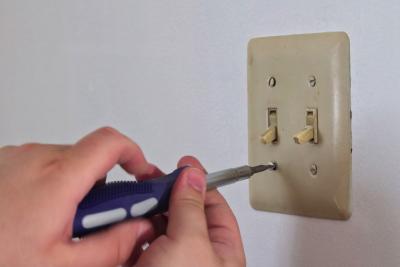
In modern homes, electrical fittings are visible. They sit on carefully painted walls, near furniture, and often in direct line of sight. Old-style switchboards interrupt that visual flow. They look bulky, dated, or mismatched, no matter how good the rest of the interior is.
The modular switch board design sit quietly in the background. Clean edges, flush fitting, and balanced spacing make them less noticeable, which is exactly the point. When done well, the electric modular switch board feels like part of the wall rather than something added later. This is why interior designers now treat switchboard placement as part of the design process instead of a last-minute decision.
Safety Is a Bigger Reason Than Most People Realise
One of the less discussed reasons modular switchboards are preferred is safety. Traditional switchboards often develop loose connections over time. Small issues slowly become risky ones.
Modular switchboards are built with tighter tolerances and better internal structure. Individual modules lock into place. Connections are more secure. Many designs reduce exposure to live components, which matters in homes with children or elderly family members. Safety here isn’t dramatic or visible. It’s quiet and preventive, which is exactly how it should be.
Living Spaces Change, and Electrical Needs Change With Them
Homes are not static. A guest room becomes a home office. A child’s room becomes a study space. Suddenly, the original switchboard layout no longer makes sense.
This is where modular switchboards for home show their long-term value. Instead of breaking walls or replacing entire boards, modules can be added, removed, or rearranged. The basic structure remains intact. This ability to adapt is what makes modular systems future-friendly. They don’t assume today’s needs will remain the same forever.
Maintenance Without Disruption
Anyone who has dealt with a faulty traditional switchboard knows how unnecessarily messy repairs can be. Entire plates are removed. Wiring is disturbed. Often, more gets damaged than fixed.
With modular systems, problems are isolated. If a socket fails, only that socket is replaced. The rest of the electric modular switch board stays untouched. Repairs take less time and create less disruption, which matters in homes that are occupied all day. Over years of use, this difference becomes very noticeable as the overall modular switch board price is quite affordable.
Why Do Modular Switchboards Feel Right in Modern Homes?
There’s a reason many homeowners say modular switch board feels better after living with them for a while. The switchboards respond more smoothly. The layout makes sense. The board doesn’t feel cluttered or awkward. This isn’t about luxury. It’s about thoughtfulness. When electrical access is planned properly, daily routines become simpler without anyone consciously noticing why. That’s usually the sign of good design.
They Fit Naturally Into Daily Routines
Many homeowners notice that modular switchboards simply feel better after some time. The switchboards respond smoothly, layouts feel logical, and the board never looks cluttered. This comfort isn’t about luxury or appearance alone. It comes from thoughtful planning. When electrical access is intuitive, daily routines flow more easily without people consciously thinking about the switchboard.
Designed for Flexible, Connected Living
Modern homes are no longer fixed in how they function. Rooms change purpose, devices increase, and lifestyles evolve. Electrical systems must support this flexibility instead of limiting it. Modular switch board design suits this shift well because they adapt easily. They allow homes to stay functional as needs change, without forcing major electrical alterations or redesigns. The modular switch board size fits perfectly into any home system.
Built With the Future in Mind
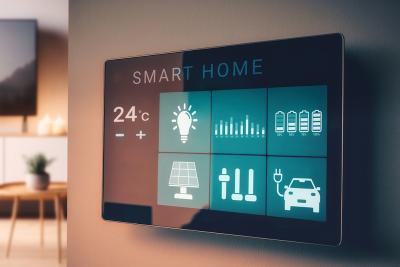
Technology continues to change how homes operate, and electrical systems must keep pace. Switchboards that can evolve will matter more than ever. Modular systems are already aligned with this reality. Their ability to accept new modules and layouts ensures they remain relevant, even as living patterns and technology move forward. The modular switch board size is perfect for any system.
Also Read: A Guide to Selecting the Ideal Electric Switchboard for Your Home
Final Thoughts
Modular switchboards didn’t become popular overnight, and they didn’t do it through marketing alone. They earned their place by quietly fixing long-standing issues like poor layout, difficult maintenance, safety concerns, and lack of flexibility.
For modern homes, an electric switchboard for home is no longer an upgrade. They are simply the most sensible choice. So, get the best ones for your modern abode from the eShop of Schneider Electric today at the most competitive modular switch board price.
Frequently Asked Questions
Q1. Can modular switchboards be used in older homes with existing wiring?
Ans. Yes, a modular switch board can usually be installed in older homes without changing the entire wiring system. In most cases, electricians only need to adjust the switchboard box or mounting frame. However, it’s always a good idea to have the wiring checked first to ensure it meets basic safety standards.
Q2. Do modular switchboards work during voltage fluctuations or power cuts?
Ans. Modular switchboards themselves do not control voltage, but their internal build is generally more stable during fluctuations. While they won’t prevent power cuts, they are less likely to loosen or spark due to sudden voltage changes compared to older, worn-out switchboards.
Q3. Are modular switchboards comfortable for elderly people to use?
Ans. Yes, many people find modular switchboards easier to use because they require less pressure and have smoother operation. Larger rocker switchboards and clearly spaced layouts can be especially helpful for elderly users who may struggle with stiff or closely packed traditional switchboards.
Q4. Can modular switchboards be installed in kitchens and bathrooms safely?
Ans. They can be installed in these areas as long as proper safety guidelines are followed. Using covered sockets, correct placement away from direct water contact, and proper earthing ensures safe usage. Many homeowners choose modular switchboards specifically because they offer better protection in such spaces.
Q5. Do modular switchboards need special cleaning or care?
Ans. Regular wiping with a dry or slightly damp cloth is usually enough. Since modular switchboards sit flush against the wall, they tend to collect less dust. Harsh cleaners should be avoided, as simple maintenance is all that’s needed to keep them looking good.
Comments