



MCB (Miniature Circuit Breakers) Guide - Types, Sizes, and Uses
Summary
MCBs (Miniature Circuit Breakers) protect circuits from overloads and short circuits. Select by trip curve (Type B for residential; C/D for motors/industrial), current rating (commonly 6–63 A) and breaking capacity (typ. 6–10 kA). Match the MCB to the load and application.
Key Takeaways
• MCB = automatic protective device for overloads & short circuits.
• Trip types: B (homes), C (general/motor), D (high inrush loads).
• Ratings: common 6–63 A — choose by steady load current.
• Breaking capacity: ~6 kA for residential; 10 kA+ for industrial.
• RCBO/RCB add earth-leakage protection where required.
• Pick by application, trip curve, derating and coordination with upstream protection.
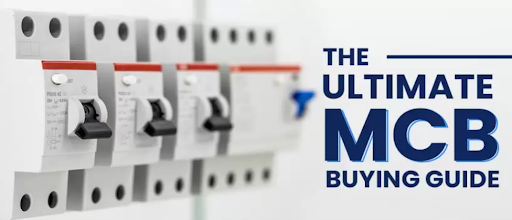
Electrical safety is a crucial concern for both residential and industrial spaces in today’s fast-paced world. Miniature Circuit Breakers (MCBs) play a vital role in protecting electrical circuits. They offer protection from overloads and short circuits. Hence, MCBs ensure the longevity and safety of electrical appliances. With the increasing demand for reliable power solutions, understanding the different MCB types and their uses is essential for selecting the right circuit breaker for your needs.
Table of Contents
- What is an MCB (Miniature Circuit Breaker)?
- Different Types of MCB (Miniature Circuit Breaker)
- Different Type of MCB Sizes and Standards
- Uses of MCB in Electrical Protection Systems
- Working Principle of MCB
- Applications of MCB
- How Does a Miniature Circuit Breaker Work?
- How to Choose the Right MCB
- Why Choose Schneider Electric MCB in India?
- FAQs: Common Questions About Miniature Circuit Breaker
What is an MCB (Miniature Circuit Breaker)?
A Miniature Circuit Breaker (MCB) is a protective device. It is used in electrical systems to stop the flow of electricity when something goes wrong, such as an overload or short circuit. Sudden current spikes can harm appliances. They can damage wiring and even create fire risks. An MCB helps reduce these dangers. They cut off the power supply at the right time.
Earlier, electrical systems depended on fuses, which had to be replaced once they melted during a fault. MCBs offer a more practical solution because they simply trip and can be switched back on after the issue is fixed. The working principle of MCB relies on sensing excessive current and disconnecting the circuit immediately.
Available in multiple sizes, ratings, and types, they are chosen using an MCB rating chart. Different MCB types and their uses make them suitable for homes, workplaces, and industrial electrical setups.
Different Types of MCB (Miniature Circuit Breaker)
MCBs are classified based on tripping characteristics, number of poles, and application in electrical protection systems. Each type of MCB serves a different purpose depending on the electrical load and circuit requirements. Below are the most significant MCB types and their uses.
Types of MCB Based on Tripping Characteristics
MCBs are installed in spaces depending on the need of the appliance. Hence, you will find multiple MCB types that can be used for a range of purposes. The most popular MCB types are A, B, C, D, K and Z. Of these, the most commonly used are B, C and D. These categories are often based on their trip curve or tripping capacities.
Type A MCB
Type A MCBs are designed for highly sensitive applications. They tripped at 2-3 times the rated current. These MCBs are ideal for protecting delicate electronic components, such as semiconductor circuits, medical equipment, and precision instruments, where even minor surges can cause damage. Type A MCBs ensure reliable circuit protection with minimal disruption.
Type B MCB
These are often used in residential properties or industrial units with small scale of operations. In such MCBs, the trip occurs when the power exceeds 5 times more than the suggested limit. These MCBs are considered to be the most sensitive owing to their lower tolerance for voltage shifts. Since, current surges and fluctuations are less intense in residential spaces, it’s mostly used in such areas.
Type C MCB
These MCBs often trip at surges that exceed 10 times the power capacity. So these are strategically used in devices which have high power consumption requirements. Often you will find Type C MCBs in commercial and industrial units. Electrical motors and fluorescent lighting are electrical accessories where Type C MCBs are used. They offer higher protection in comparison to type B MCBs and have a higher capacity to handle surges.
Type D MCB
Considered to be the least sensitive MCB type, the Type D has a surge capacity of 10 to 20 times higher than the power threshold. Often these are used in devices such as X-ray machines, motors and other equipment that has higher rush of power. Such expensive appliances often need added protection from fluctuations in voltage and power surges and hence these need a high capacity and robust MCB.
Type K MCB
Type K MCB is designed for inductive loads that experience high inrush currents. It trips at a higher threshold than Type B or C. This makes it ideal for motors, transformers, and welding machines. These MCBs provide reliable protection for heavy-duty electrical systems. They ensure smooth operation without unnecessary tripping.
Type Z MCB
Type Z MCB is highly sensitive. It trips at just 2-3 times the rated current. Type Z MCB is used in circuits with delicate electronic components, such as precision instruments, medical devices, and control circuits. This MCB ensures maximum protection against even the slightest electrical fluctuations. It prevents damage to sensitive equipment.
Types of MCB based on Number of Poles
MCBs are classified based on the number of poles. They determine how many circuits they can protect. The number of poles in an MCB electrical system defines its application in residential, commercial, and industrial setups. Choosing the right pole configuration ensures efficient circuit protection and power distribution.
Single-pole
A single-pole MCB protects one live wire. This makes it ideal for residential applications such as lighting circuits and small appliances. It trips during overloads or short circuits. Hence, it prevents damage to household wiring.
Double-pole
A double-pole MCB safeguards both live and neutral wires. It provides better protection for single-phase electrical systems. These are commonly used for high-power appliances like geysers and air conditioners. Such MCBs ensure circuit isolation and prevent electrical hazards.
Triple-pole
A triple-pole MCB is designed for three-phase systems. It is used in commercial and industrial applications. Such MCBs trip all three phases simultaneously in case of faults or overloads. They ensure uninterrupted safety for motors, machinery, and power distribution panels.
Four-pole
A four-pole MCB protects three-phase systems along with the neutral wire. It is commonly used in industrial setups, large buildings, and power distribution networks where balanced protection across all phases is essential. This MCB prevents potential hazards from leakage currents and unbalanced loads.
Types of MCBs used in Electrical Protection Systems
MCBs play a crucial role in electrical protection systems, ensuring safety from short circuits, overloads, and electrical faults. Different types of MCB are used to cater to specific protection needs in residential, commercial, and industrial applications based on their functionality.
Thermal MCB
A thermal MCB operates using a bimetallic strip that bends when exposed to excessive heat due to overloads. This bending action triggers the trip mechanism. This cuts off the power supply. It is commonly used in residential and commercial electrical systems to prevent overheating.
Magnetic MCB
A magnetic MCB uses an electromagnetic coil to detect high short-circuit currents. The coil generates a strong magnetic field when a fault occurs. This forces the breaker to trip instantly. These MCBs are ideal for industrial applications where fast fault detection is crucial.
Hybrid MCB
A hybrid MCB combines both thermal and magnetic tripping mechanisms. It provides dual protection against overloads and short circuits. This MCB is widely used in commercial and industrial setups that require enhanced electrical safety.
Electromagnetic MCB
An electromagnetic MCB detects sudden current surges using an electromagnet. It offers instant tripping and is used in power distribution systems where quick fault isolation is necessary to prevent circuit damage.
Differential MCB
A differential MCB monitors the difference between incoming and outgoing current in a circuit. It trips when an imbalance is detected. These MCBs protect against leakage currents and electrical shocks. Hence, these are essential for high-risk environments.
Residual Current Circuit Breaker MCB
An RCCB MCB is designed to detect and disconnect leakage currents caused by ground faults. It enhances personal safety by preventing electric shocks. This makes it ideal for residential and commercial buildings.
Isolator MCB
An isolator MCB acts as a manual circuit breaker. It allows complete disconnection of electrical supply during maintenance or emergencies. An isolator MCB is commonly used in industrial power systems to ensure safe handling of electrical equipment.
Different Type of MCB Sizes and Standards
MCBs are classified based on ampere ratings and breaking capacities. These classifications determine their suitability for different electrical applications. Selecting the right MCB size ensures optimal circuit protection and prevents electrical failures in residential, commercial, and industrial settings.
Types of MCB based on Ampere Rating
MCB ratings indicate the maximum current they can handle before tripping.
• 6A - 32A: Used for residential electrical systems, including lighting circuits, household appliances, and small power loads.
• 40A - 100A: Ideal for industrial and commercial applications, such as heavy machinery, HVAC systems, and large power distribution networks.
Types of MCB based on Breaking Capacity
The breaking capacity defines the maximum fault current an MCB can interrupt without damage. This classification involves MCBs suitable for homes and small commercial spaces as well as for industrial applications.
Uses of MCB in Electrical Protection Systems
Electrical panels For Home
MCBs are installed in electrical panels to ensure there is a uniform distribution of power to all devices. An MCB also limits power fluctuations, thus ensuring less damage to equipments.
Lighting Systems
Our homes are dominated by a wide range of lights. All these lights are in use for large parts of the day. This makes it essential to install an MCB via which effective distribution of power is made possible. Certain lights need more power than others, and MCBs can regulate accordingly and offer unique lightening systems the safety they need. This safeguarding of bulbs with MCBs ensures the longevity of bulbs.
Industrial Equipment And Application
Industrial appliances have a heavy duty power consumption and require up to 30 kA of power supply. In addition, these appliances are expensive. Hence, MCBs maintain a constant power flow in these equipment’s. Often MCBS are installed in supermarkets, hotels and malls.
Ground Fault Trip Mechanism
Electrical wires embedded in the earth can come in contact with transmitter surfaces. This can cause an increase in current flow in the entire circuit system. Installing a ground fault trip mechanism like an MCB helps regulate such mishaps by shutting out the power supply.
Heaters & HVAC Application
MCBs play a crucial role in protecting heating and HVAC systems from overloads and short circuits. These systems require high power consumption. This makes them vulnerable to electrical faults. Using the right MCB electrical protection ensures efficient performance. This prevents equipment damage and enhances safety in residential, commercial, and industrial settings.
Main Components of MCBs
Miniature Circuit Breakers (MCBs) consist of several key electrical components. These elements work together to provide circuit protection. They ensure the MCB functions effectively in normal operation and fault conditions.
• Operating Mechanism- Manually controls the MCB.
• Contacts- Open and close the circuit during normal and fault conditions.
• Trip Mechanism- Detects overload and short circuits.
• Arc Chute- Extinguishes the arc during tripping.
Working Principle of MCB
Miniature Circuit Breakers operate through both thermal and magnetic tripping mechanisms. The working principle of MCB depends on how quickly the current increases and for how long it flows. These devices offer fast disconnection when there is a fault in the system.
Thermal Trip Mechanism
- • It works on heat generated by an overcurrent.
- • The bimetallic strip inside bends due to heat, triggering the MCB to trip.
- • This feature is useful for handling long-duration low-level faults.
Magnetic Trip Mechanism
- • The magnetic coil inside the MCB reacts to a sudden surge.
- • The coil generates a magnetic field that pulls a latch to break the circuit.
- • This is mostly used for short-circuit protection.
Arc Quenching System
- • When the MCB trips, it forms an arc between the contacts.
- • The arc is cooled using arc chutes, which split and extinguish it.
- • This system helps in preventing fire or damage during fault clearance.
Manual Operation
- • MCBs can be manually switched ON or OFF.
- • Even after a trip, the same breaker can be reset and reused.
- • No need for replacement like in traditional fuses.
Response Time
- • Reaction time is very fast, often under 2 milliseconds.
- • This allows the device to stop current flow quickly during faults.
- • The working principle of MCB ensures minimum damage to appliances.
Applications of MCB
Miniature Circuit Breakers are used in both residential and commercial setups. The application of MCB extends beyond basic protection to include control, safety and system isolation.
Domestic Electrical Circuits
- • Widely used in homes for protecting electrical wiring.
- • Ensures a power cut in case of overload or short circuit.
- • Mostly used with types of MCB for home, like Type B.
Commercial Lighting Systems
- • Protects high-wattage lights and signage from power fluctuation.
- • Useful in malls, offices, and hotels.
- • Controls large groups of lights from a central panel.
HVAC Systems
- • Safeguards heating and cooling systems like ACs and geysers.
- • Cuts power during a sudden voltage rise.
- • Reduces the risk of fire in case of system failure.
- • Maintains smooth power flow to servers.
- • Avoids damage during short circuits.
- • Helps manage load distribution effectively.
- • Heavy-duty MCBs control motors, compressors, and other machines.
- • Maintains system balance during operations.
- • One major application of MCB is in controlling factory equipment.
- • Current is constantly measured by internal elements.
- • When it rises beyond safe levels, the MCB starts the trip process.
- • Overload is usually caused by too many devices on one line.
- • Either thermal or magnetic force moves the trip mechanism.
- • This opens the contacts, cutting off power instantly.
- • Such a response is key to understanding how a miniature circuit breaker works.
- • Once triggered, the current flow is completely stopped.
- • Arcing is controlled using the arc chute.
- • Prevents damage to both wires and equipment.
- • After resolving the issue, the breaker can be switched ON again.
- • No need to replace any part.
- • Resetting allows quick restoration of power.
- • Even after resetting, the breaker checks the current before allowing flow.
- • Ensures stability in the circuit before resuming power.
- • All this reflects how well miniature circuit breaker types are designed.
- • List all appliances and their power needs.
- • Light loads need Type B, heavy loads need Type C or D.
- • Helps align choice with types of MCB in electrical.
- • Use the rating chart to match current ratings.
- • A 6A MCB is ideal for lights, 32A for air conditioners.
- • Always refer to the MCB rating chart before buying.
- • Make sure the MCB can handle the system voltage.
- • In residential use, 240V is standard.
- • Industrial setups may need higher ratings.
- • The chart tells breaker sizes based on wire gauge and load.
- • The wrong size can lead to overloads or insufficient trips.
- • Always use a verified MCB size chart for safety.
Data Centres and Server Rooms
Industrial Machines
How Does a Miniature Circuit Breaker Work?
If you are wondering how a miniature circuit breaker works, it’s a mix of thermal and magnetic responses to faults. These compact switches act like guards that monitor the current all the time.
Detecting Overload
Triggering the Mechanism
Interruption of Current
Resetting Process
Safety Check
How to Choose the Right MCB
Before installing, knowing how to choose the right MCB is important. Picking the wrong one may cause frequent trips or poor protection. Many factors must be considered.
Identify Load Type
Check MCB Rating Chart
Voltage Requirements
Understand the MCB Size Chart
Use the MCB Selection Chart
Here is a simple table to guide the right choice:
| Application Type | Recommended MCB Type | Rating Range |
|---|---|---|
| Home lighting | Type B | 6A - 10A |
| Kitchen appliances | Type C | 16A - 32A |
| Industrial machines | Type D | 40A - 63A |
| Air conditioning units | Type C | 20A - 32A |
| Motor loads | Type D | 25A - 63A |
This selection can guide you on how to choose the right MCB depending on the appliance and load.
Why Choose Schneider Electric MCB in India?
The importance of MCBs cannot be contested. These small but powerful devices protect multiple devices in our homes and commercial spaces. With such multi-purposes utility, it’s essential that your MCB be of high quality and durability. Schneider Electric offers a wide range of Miniature Circuit Breaker types and MCB sizes. The renowned electrical appliance brand offers the best MCBs in the market with added protection and guarantee of durability. So protect your devices with the best MCBs by Schneider Electric India.
FAQs: Common Questions About Miniature Circuit Breaker
Q. Can MCBs be reset after tripping?
Yes, once the fault is cleared, MCBs can be reset by flipping the switch back. This is one major benefit over traditional fuses, which need replacement. The working principle of MCB allows for manual control and automatic disconnection.
Q. What are the advantages of MCBs?
MCBs are durable, reusable, and more sensitive to current changes. They offer quicker responses during overloads. Each application of MCB shows its role in preventing damage and ensuring safe circuit operations.
Q. Why are MCBs Preferred to Fuses?
Unlike fuses, MCBs don’t need replacement after every trip. They are more reliable and offer faster recovery. This efficiency is part of how a miniature circuit breaker works, making it more suitable for daily use.
Q. What is the Difference Between MCBs and ELCBs?
MCBs detect overload and short circuits, while ELCBs respond to leakage currents. Each has its own use case. While both protect circuits, the types of MCB in electrical systems are mainly for overcurrent protection.
Q. What is the breaking capacity of an MCB?
Breaking capacity means the maximum current the MCB can interrupt safely. This value varies with usage and size. You can check this in the MCB size chart to pick the one that matches your system.
Q. Is it safe to buy MCB online?
Yes, as long as specifications match your circuit needs. Always check ratings, size and usage details. Use the miniature circuit breaker types to match them with your actual requirement before purchase.
Q. What is the primary function of an MCB?
The main job of an MCB is to stop current flow during faults. It protects wires, devices, and people from damage. Its function is clearly seen in how to choose the right MCB for different loads.
Q. What is the purpose of an MCB in an electrical circuit?
The MCB acts as a protective device to ensure circuit safety. It breaks the power supply when needed. MCB Schneider always focuses on effective interruption during overload or short circuits.


Comments